In a randomized trial, paying undergraduates roughly US$5 per night to sleep at least seven hours increased nights of adequate sleep by about 26% and produced an average semester GPA increase of 0.08 points. The paid students averaged about 19 extra minutes of sleep per school night, and some sleep gains persisted for several weeks after payments ended. Reminders alone had little effect, and the biggest benefits were seen among first-term freshmen.
Paying Students About $5 a Night Increased Sleep and Gave a Small GPA Boost, Study Finds
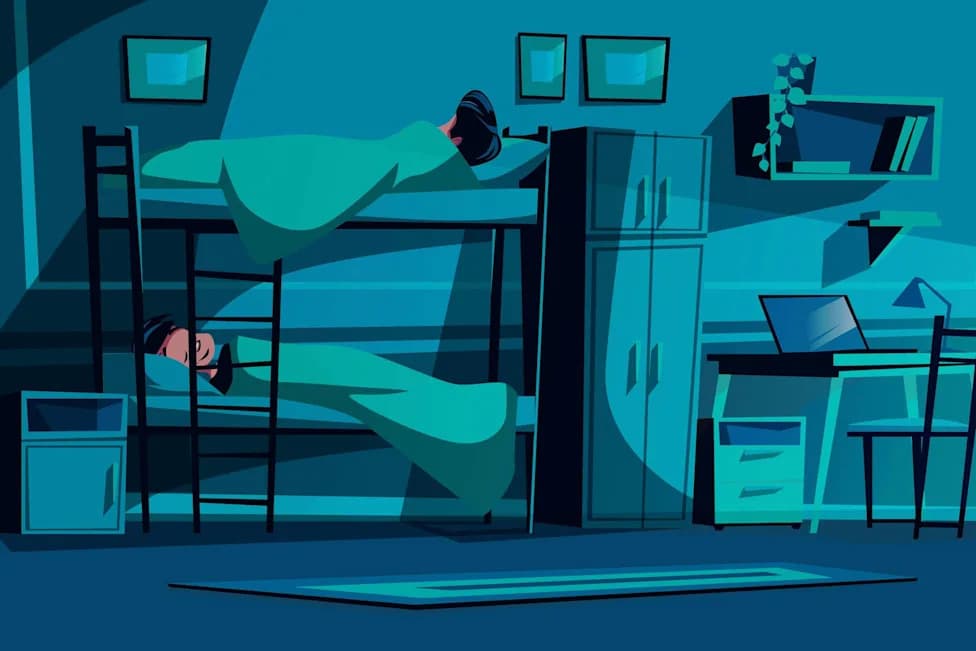
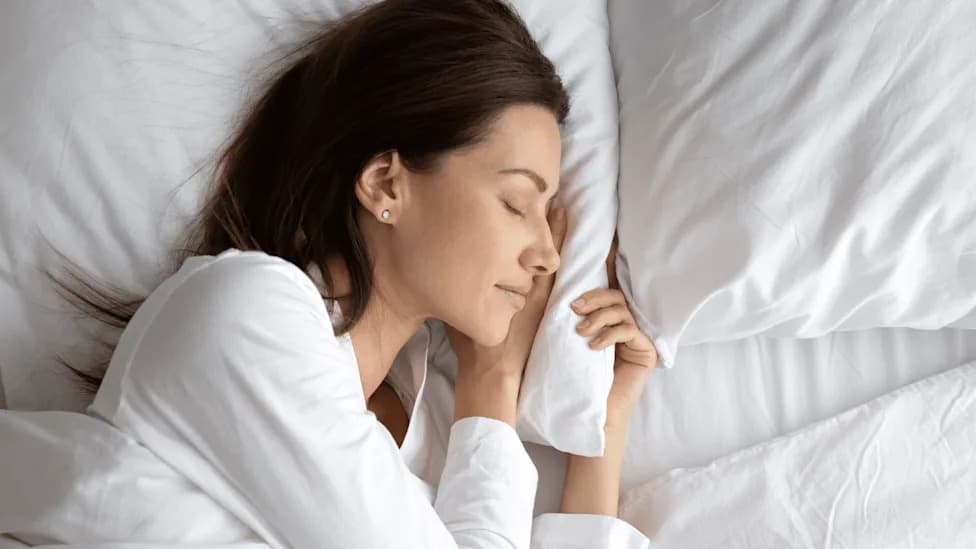
Half of surveyed college students said they go to bed after 1 a.m., on average.iStock via Getty Images Plus
Offering college students roughly US$5 per night to reach a seven-hour sleep target led to noticeably more nights of adequate sleep and a modest improvement in semester grades, according to a randomized trial published in July 2026.
Study Design
Researchers provided more than 1,100 undergraduates at the University of Pittsburgh with Fitbit wrist trackers and an app that sent bedtime reminders and morning feedback. From that pool, 468 students were randomly assigned to receive about US$5 for every night they slept at least seven hours during a four-week period; sleep was verified by the wearable devices. The paid group was compared with 380 students who were not offered payments, as well as with other groups that received reminders but no financial incentive.
Who Participated
The sample averaged about 19 years old, half were first-year students, and roughly 72% were women. Racial and ethnic composition was approximately 55% White, 28% Asian, 9% Black and 4% Hispanic.
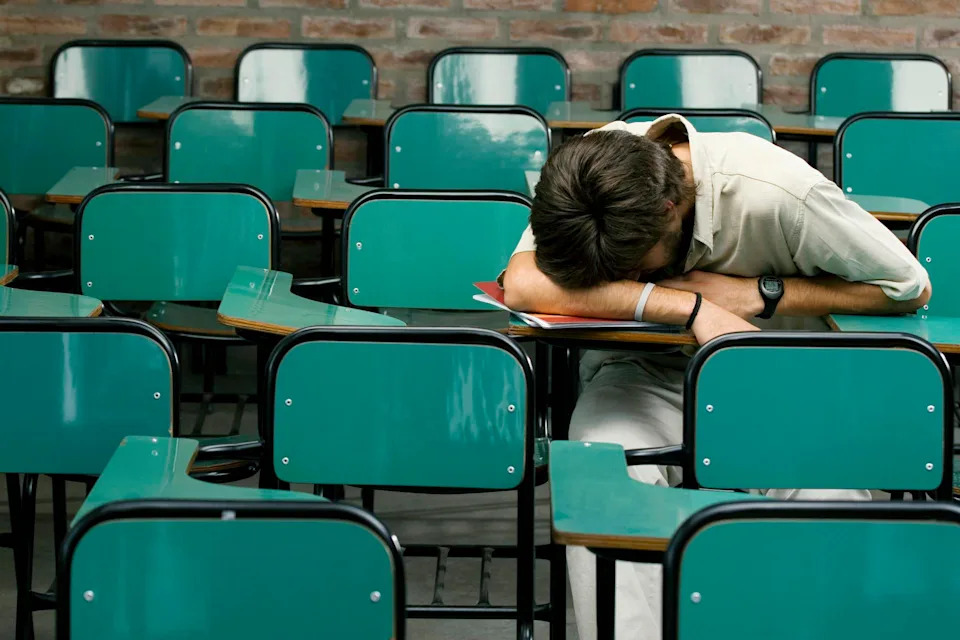
Universities spend heavily on helping students learn. Very few treat sleep as part of that investment.Glow Images via Getty Images
Key Results
- More Nights With Seven Hours: Students offered nightly payments reached the seven-hour target on about 26% more nights than the comparison group.
- More Sleep Per Night: The paid group averaged ~19 additional minutes of sleep per school night — roughly the difference between closing a laptop at 11:40 p.m. versus midnight.
- Academic Impact: Over the semester when payments were made, the paid group’s GPA rose by about 0.08 points (a modest but measurable improvement).
- Persistence: After payments stopped, previously paid students still slept about eight minutes longer per night for the next three to four weeks, though the effect was smaller.
- Largest Effects for New Students: The biggest gains in sleep and grades were concentrated among first-term freshmen, whose routines are less established.
- Delivery Matters: Nightly payments were more effective than a lump-sum payment at semester’s end (lump sum produced only ~two-thirds of the nightly effect).
- Reminders Alone Were Ineffective: Bedtime reminders and morning feedback without money produced only marginal increases in sleep, suggesting the difficulty is following through on intentions rather than motivation.
Context and Health Implications
Before the intervention, the average student in this study slept about 6.6 hours per night; half had average bedtimes after 1 a.m., and a quarter after 2 a.m. Short and irregular sleep are linked to a range of health problems — including obesity, diabetes, high blood pressure, heart disease, stroke and higher mortality risk — and can impair decision-making. Among adolescents and young adults, many routinely get less than the seven hours recommended by health authorities.
Policy and Practical Takeaways
The authors argue universities should treat sleep as part of the educational environment. Small, immediate incentives can change behavior in the short term, but institutional factors — late deadlines and very early classes — also discourage healthy sleep and are relatively low-cost targets for reform. The study suggests testing scheduling changes and experimenting with incentive designs (including varying reminders to avoid habituation) as complements to student-focused interventions.
Limitations and Duration of Effects
While the GPA effect was detectable during the payment semester and persisted into the following term, it faded by two semesters after the intervention. The authors note that longer or differently structured interventions might produce different outcomes.
Authors and Funding
The research was conducted by Osea Giuntella (University of Pittsburgh), Sally Sadoff (University of California, San Diego) and Silvia Saccardo (Carnegie Mellon University). Funding disclosures include the National Institute on Aging's Roybal Program, the National Bureau of Economic Research, the Kauffman Foundation, the National Science Foundation and the Sloan Foundation.
"Small, immediate incentives changed behavior and produced measurable short-term academic gains; institutional scheduling and incentives may also play a large role in student sleep."
Help us improve.