Russ Kremer, a Missouri hog farmer, says mandatory pork checkoff fees — typically $0.70–$1 per hog — are indirectly financing lobbying and policies that protect industrial pork production, including the continued use of tiny gestation crates. An Accountability Board review cited by Vox found about $66 million moved from the National Pork Board to the National Pork Producers Council since 2004 through trademark and real estate deals. Legal rulings and congressional proposals aim to tighten oversight and limit checkoff contracts with lobbying groups, while small, crate-free producers say they are unfairly disadvantaged.
Missouri Hog Farmer Says Mandatory Checkoff Fees Are Financing Use Of Tiny Gestation Crates
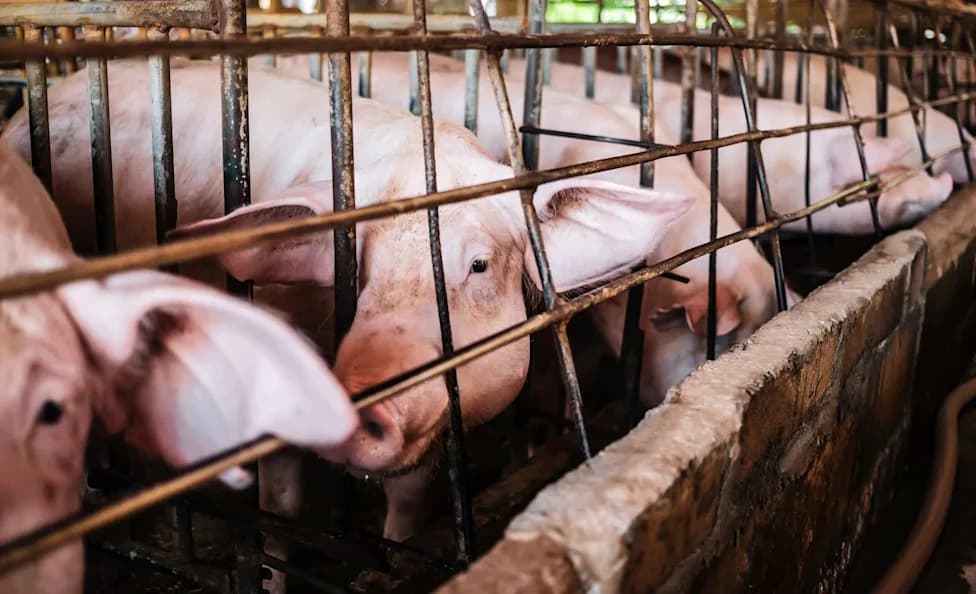
Photo Credit: iStock
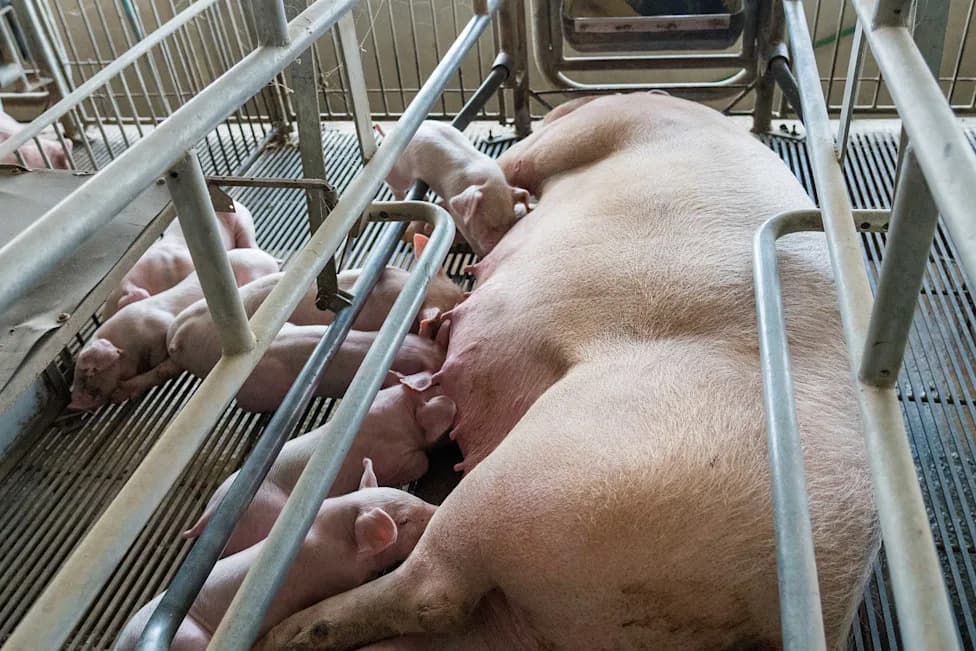
A Missouri hog producer says a compulsory fee charged on every pig sold is helping finance one of the most contentious practices in modern pork production: confining pregnant sows in narrow gestation crates where they cannot turn around. Russ Kremer, a longtime hog farmer in the Ozarks, told Vox that the federal checkoff system has disadvantaged smaller, higher-welfare producers by channeling funds toward lobbying and policies that favor large industrial operations.
How The Checkoff System Works
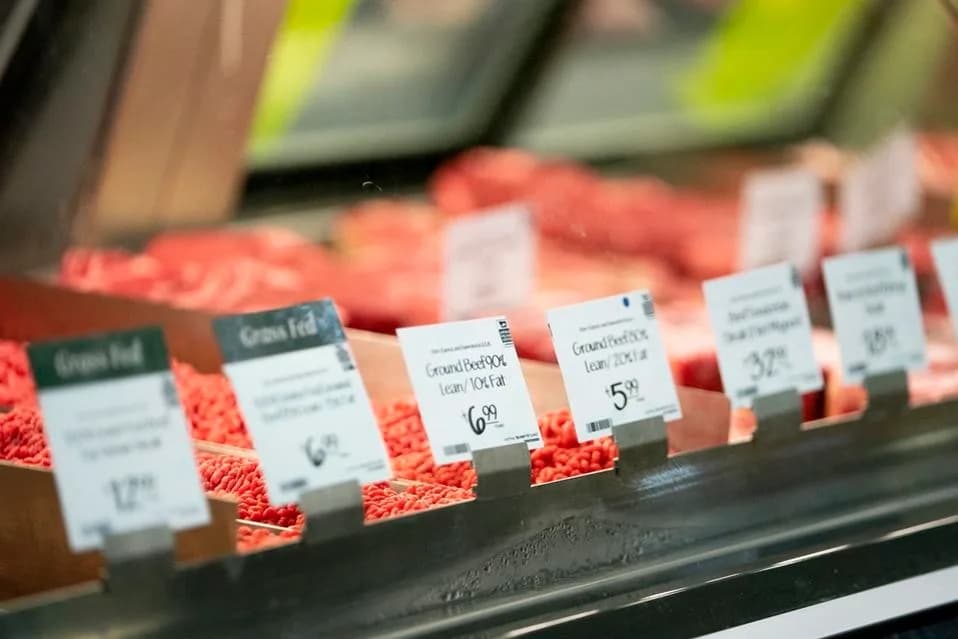
Under the federal pork checkoff, farmers pay mandatory fees to the National Pork Board — typically about $0.70 to $1 per hog or roughly 35 cents per $100 in sales. Those funds are intended for research and promotion of pork. Because the fees are embedded in the price of pork, every consumer who buys pork helps sustain the system.
Money Transfers And Controversy
An Accountability Board review of financial records, cited by Vox, found that roughly $66 million has flowed from the National Pork Board to the National Pork Producers Council (NPPC) since 2004 through trademark and real estate agreements. Historical payments include about $59.5 million tied to the "Pork. The Other White Meat" trademark package and a separate 2020 trademark deal that sent another $17.2 million to the lobbying group.
Those transfers have drawn legal scrutiny and criticism. In 2000, growers voted to eliminate the Pork Board amid concerns it favored factory-farm interests; a 2001 settlement preserved the program but required the two organizations to operate independently and to transact at fair market value. A judge later described some trademark payments as "arbitrary and capricious," and a 2018 court order ended the 2006 trademark payments.
Impact On Policy And Small Producers
Independent and smaller producers say the financial relationships have supported policy fights they oppose — including lobbying against antibiotic restrictions, stricter pollution rules, and protections for smaller farms. The dispute is particularly heated around gestation crates: the NPPC has challenged state laws in California and Massachusetts that restrict the sale of pork from farms that use these enclosures.
Reform Efforts And Oversight
Congressional and legal efforts have sought to curb or reform the checkoff system. Since 2017, Senators Mike Lee (R‑Utah) and Cory Booker (D‑N.J.) have introduced legislation to bar federal checkoff programs from entering into new contracts with lobbying groups. Watchdog groups continue to press the U.S. Department of Agriculture for stronger oversight of checkoff finances and agreements.
Farmers, Consumers And Next Steps
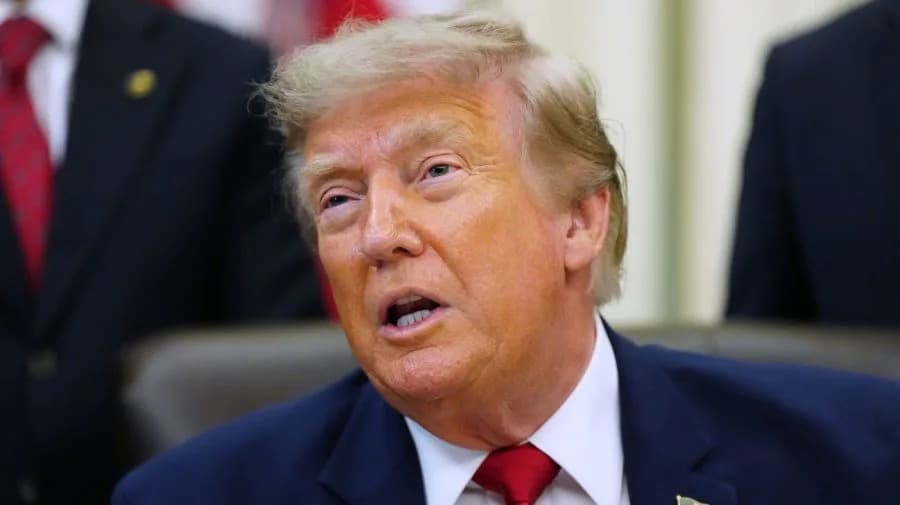
"They're going after producers like myself," Kremer told Vox. "And so yes, I feel more betrayed by them than ever."
Kremer, a former president of the Missouri Farmers Union who raises roughly 2,000 pigs on 150 acres without using cages or antibiotics, represents producers who argue they are disadvantaged by a system that effectively subsidizes lobbying for factory-style production. Consumers who want to avoid industry-driven messaging can scrutinize animal-welfare and sustainability labels carefully to spot potential greenwashing and prioritize verifiable standards.
The checkoff fight is part of a broader debate over who profits from modern animal agriculture and how industry practices affect animal welfare, community health and environmental pollution. Ongoing court rulings, congressional proposals, and demands for USDA oversight will shape whether and how the system changes.
Help us improve.