Scott Keller, a Certified Deaf Interpreter, records live ASL translations of films and TV for his children and as part of SignUp Media’s partnership with Netflix. Deaf native signers created resizable ASL overlays for dozens of kids’ and family titles, matched to language and cultural experience. Keller explains that real‑time signing covers the program’s full runtime plus roughly 60–90 minutes of prep and post‑production, and he stresses that interpretation conveys tone and cultural context that captions often miss.
Deaf Interpreters Add ASL Overlays to Dozens of Netflix Kids’ Titles — A Behind-the-Scenes Look

With subtitles and closed captioning, much gets missed, due to technical glitches, grammar errors or the fact that it is simply a written representation of spoken words, say the interpreters signing TV shows and films for viewers. Christian Charisius/dpa
When his children want to watch a movie, Certified Deaf Interpreter Scott Keller stands beside the family TV and signs the program into American Sign Language (ASL) in real time. He keeps subtitles on for reference and delivers live ASL so his children receive the story simultaneously in sign and written English — a bilingual experience that many Deaf children lack.
Keller is certified by the Registry of Interpreters for the Deaf and works with SignUp Media, a company that connects Deaf interpreters with entertainment providers to create signed overlays. Recently, Keller was among several Deaf native signers involved in SignUp Media’s partnership with Netflix to produce ASL overlays for dozens of the streaming service’s original and licensed kids’ and family titles. Viewers can resize or reposition the video overlay so the interpreter appears beside the main picture.
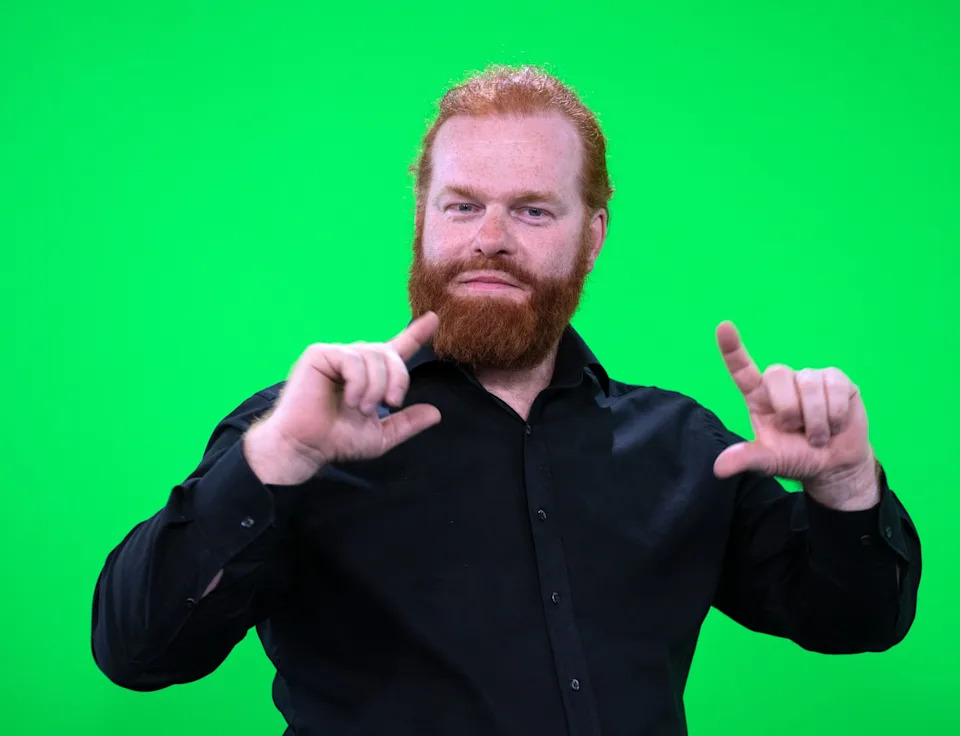
Sign languages have their own grammar, vocabulary, and cultural rules just like spoken languages. They rely on visual cues with hand shape, palm position, movement, and facial expressions all change the meaning of a sign. Soeren Stache/dpa-Zentralbild/dpa
Projects, Matching, and Cultural Accuracy
Titles that have received ASL overlays include Pokemon Horizons, The Magic School Bus Rides Again, Cocomelon and Stranger Things: Tales From '85. Interpreters for each title were Deaf native signers and were assigned with attention to language, character type and lived experience. For example, a Cuban Deaf interpreter worked on Vivo and an Asian Deaf interpreter worked on Wish Dragon, helping preserve cultural nuance and accuracy in translation.
How the Work Is Done
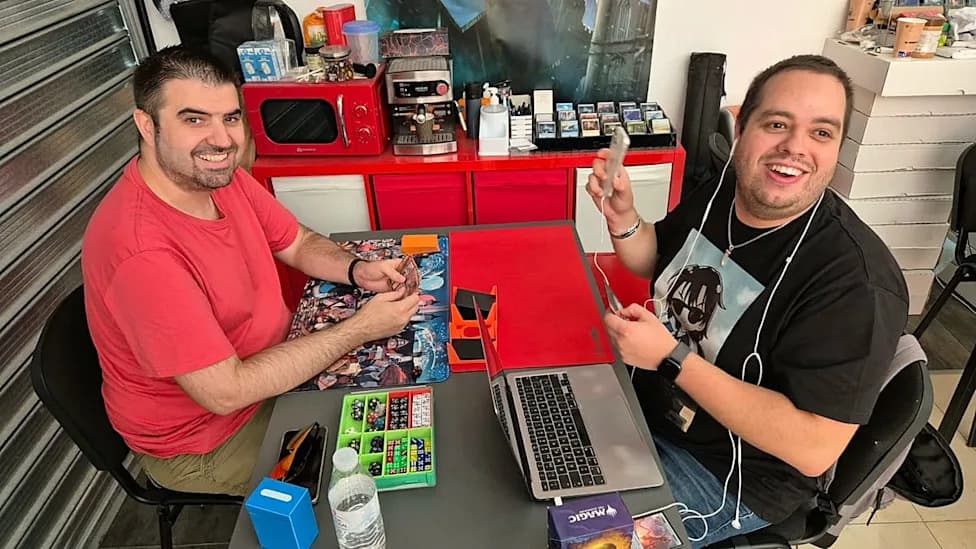
Keller describes the workflow: he reviews an assignment and accepts or declines it, researches specific jargon or references when needed, and records himself signing in a home studio while the program plays on his laptop. He generally signs the full runtime in real time — a 60‑minute program requires 60 minutes of live signing — plus prep and post‑production. He estimates an extra 60–90 minutes per title for prep, setup/teardown, and uploading or transferring recorded files to cloud storage.
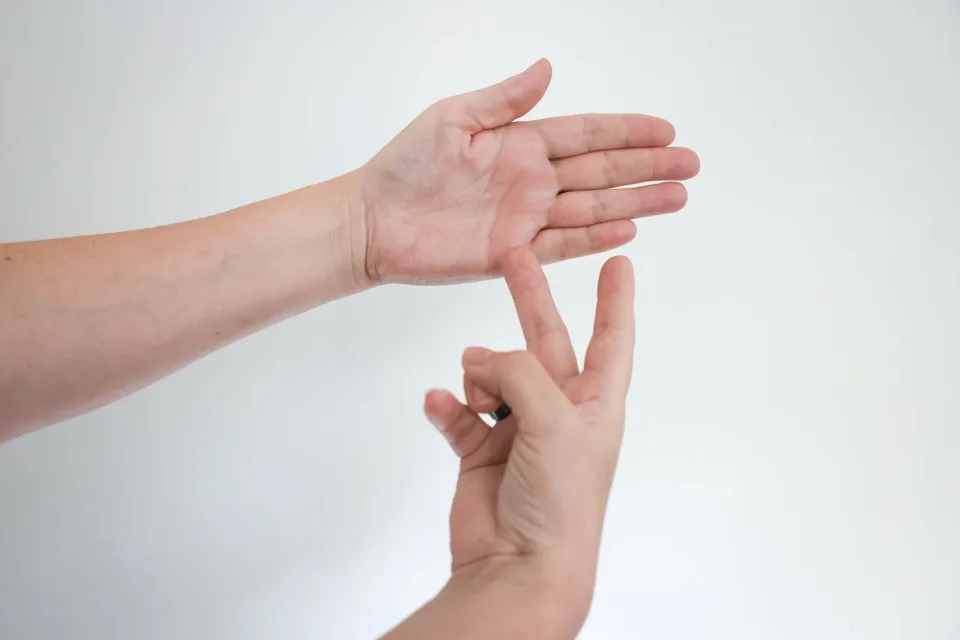
Sign languages are languages that use the visual-manual modality to convey meaning rather than spoken words. They are expressed through manual articulation in combination with non-manual markers, and are full-fledged natural languages with their own grammar and lexicon. Christian Charisius/dpa
Practical Challenges
Translating audiovisual content presents unique challenges. A single interpreter often must portray multiple characters, sometimes several on screen at once. Keller distinguishes speakers by shifting his body and shoulders — leaning left for the left‑screen character and right for the right‑screen character — and uses facial expression and role‑shift techniques to preserve each character’s voice. He notes that, ideally, each major character would have a dedicated interpreter.
Personal Background and Motivation
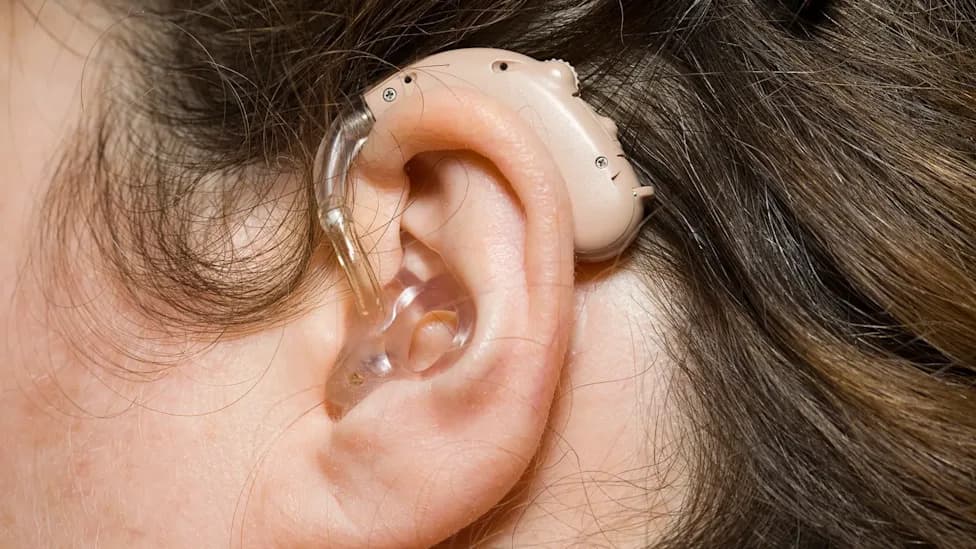
Keller was born genetically Deaf; deafness spans four generations of his family and his children are the fifth. He says his family carries a variant of the GJB2 gene (Connexin 26), a common genetic cause of congenital, nonsyndromic, sensorineural hearing loss. Keller contrasts his experience with the more common situation in which 90–95% of Deaf children are born to hearing parents and often face linguistic and cultural isolation.
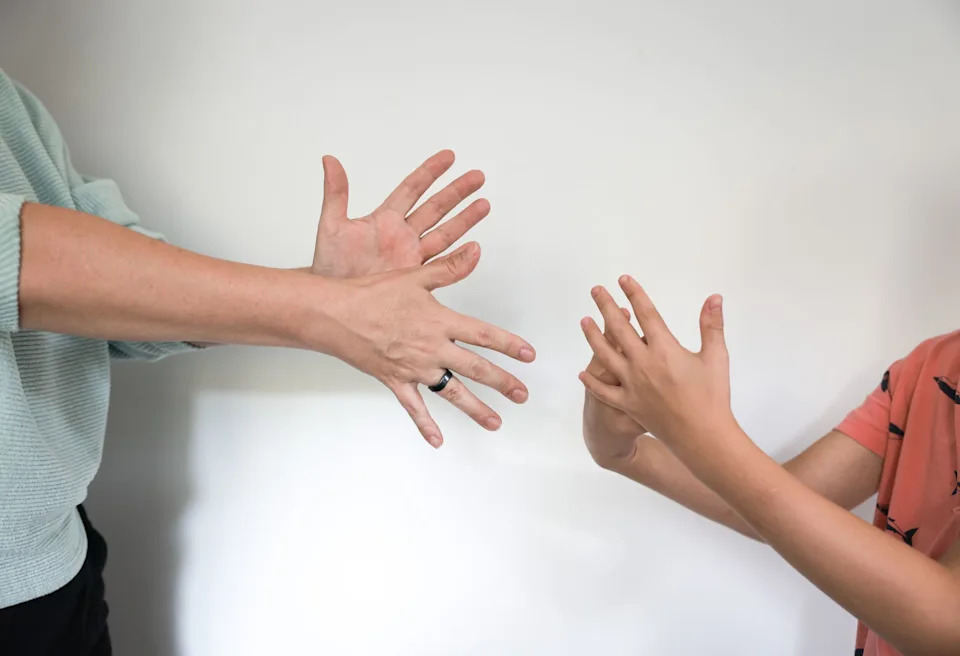
Sign languages are not universal and are usually not mutually intelligible, although there are similarities among different sign languages. Christian Charisius/dpa
Inspired by his mother — who advocated for accessibility in schools and public settings — Keller pursues community work and is currently working toward a Ph.D. in Leadership and Organizational Management at the University of San Diego. He plans to establish a nonprofit advocacy center to support access and services for the Deaf community.
Why Captions Aren’t Enough
"Captions provide access to words; interpreting provides access to meaning."
Keller emphasizes that closed captions and subtitles often miss tone, rhythm, sarcasm, innuendo and other contextual cues. Captions represent spoken words, but they do not reliably convey the cultural, emotional and linguistic content that ASL interpretation provides.
What This Expansion Means
Keller and other interpreters welcome Netflix’s involvement and say streaming platforms should make sign language access a standard option, not an afterthought. Producing ASL overlays requires locating appropriate Deaf talent, recording and editing, and technical setup, but the payoff is greater linguistic and cultural access for Deaf viewers — especially children.
About Sign Languages: Sign languages are full natural languages that use visual‑manual modalities, combining handshape, movement, body position and facial expression. They have their own grammar and lexicon and are not universally the same across countries or regions.
Photo credits: Soeren Stache/dpa‑Zentralbild/dpa; Christian Charisius/dpa
Help us improve.