The EEOC has sued Ollie's Bargain Discount, alleging it refused to hire a qualified deaf applicant for four warehouse roles in Lancaster, Texas, by enforcing a physical requirement for the "ability to hear regularly," in violation of the ADA and the Civil Rights Act of 1991. The complaint says the applicant had relevant experience but was not interviewed while non-deaf candidates were hired. The case follows recent EEOC enforcement actions and settlements around failures to provide accommodations such as ASL interpreters and hearing devices. Officials say employer stereotypes and baseline ableism continue to drive unlawful exclusion of deaf and hard-of-hearing workers.
EEOC Sues Ollie's Bargain Discount Over 'Ability to Hear' Hiring Requirement
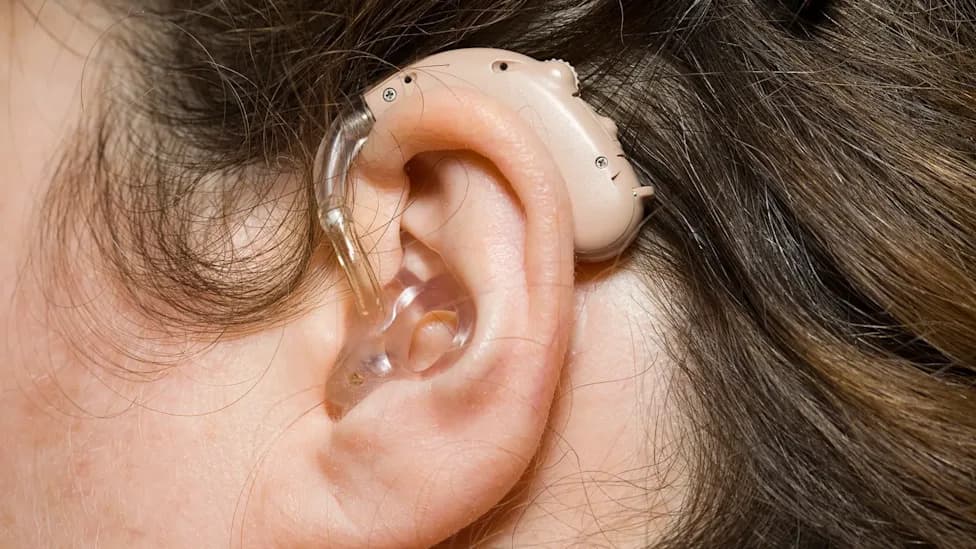
Close up of woman wearing digital hearing aid
The U.S. Equal Employment Opportunity Commission (EEOC) has filed a lawsuit alleging that Ollie's Bargain Discount unlawfully discriminated against a deaf job applicant by enforcing a physical qualification that required the "ability to hear regularly," the agency says. The complaint asserts the company violated the Americans with Disabilities Act (ADA) and provisions of the Civil Rights Act of 1991.
Details Of The Complaint
According to the EEOC, the applicant applied in May 2025 for four warehouse positions at Ollie's location in Lancaster, Texas. The commission says the applicant had prior warehouse experience and was capable of performing the essential functions of the roles, but was not interviewed for any of the openings. During the same period, Ollie's allegedly hired several non-deaf candidates for those jobs, including people with little or no warehouse experience.
The EEOC's investigation found that Ollie's expressly maintained a physical requirement of the "ability to hear regularly," which the agency contends led to the applicant's exclusion from consideration.
Broader Enforcement And Recent Settlements
The case is one of several recent enforcement actions focused on discrimination against deaf and hard-of-hearing workers. The EEOC updated guidance on hiring and workplace accommodations for deaf and hard-of-hearing individuals in 2023 and has emphasized this area as an enforcement priority.
Recent related settlements cited by the agency include a $100,000 resolution with Smiths Detection, Inc., after an allegation the employer denied a hard-of-hearing worker a hearing-protection device, and a $230,000 settlement with Walmart in a case involving refusal to provide an American Sign Language (ASL) interpreter for a deaf job applicant during an interview. The EEOC also previously filed charges against a staffing firm in 2021 for routinely refusing ASL interpreters and has noted allegations against the U.S. Air Force for denying interpreters and other accommodations to a class of workers.
Why This Matters
Advocates and regulators say that employer stereotypes and unfounded assumptions about deaf workers' abilities remain a major barrier to inclusion. A survey cited by the Communication Service for the Deaf found that only 30% of respondents believed a deaf person could "absolutely" perform their job equally well or better than a hearing peer — a statistic EEOC officials say reflects persistent baseline ableism in hiring and workplace practices.
"Unfortunately, deaf and hearing-impaired workers continue to face needless discriminatory barriers to full and equal participation in our nation's economy," said Travis Nicholson, Director of the EEOC's Dallas District Office. "Some employers rely on stereotypes, myths and unfounded fears about deaf workers rather than accurate, individualized information about their abilities — leading to erroneous conclusions that those workers are unable to perform essential job requirements."
EEOC Dallas District Regional Attorney Ronald Phillips highlighted legal protections that support inclusion, noting that Sept. 25 marks the anniversary of the ADA Amendments Act of 2008 and stressing that, while progress has been made, more remains to be done so disabled workers can compete on equal footing.
HR Dive contacted Ollie's for comment; the company had not responded by the time of publication.
Help us improve.