Rosie O'Donnell's guest-hosting stint on Jimmy Kimmel Live! combined sharp on-air jabs at Donald Trump with a larger, consequential fight offscreen: ABC and Disney filed suit against the FCC after the agency accelerated license-renewal reviews for eight ABC stations. The companies allege the move chilled programming choices, forced self-censorship, and was politically motivated. Disney's decision to litigate marks a break from prior accommodation and raises questions about regulatory independence and editorial freedom.
Rosie O'Donnell's Return and ABC vs. Trump: How a Guest Host and a Lawsuit Signaled a New Standoff
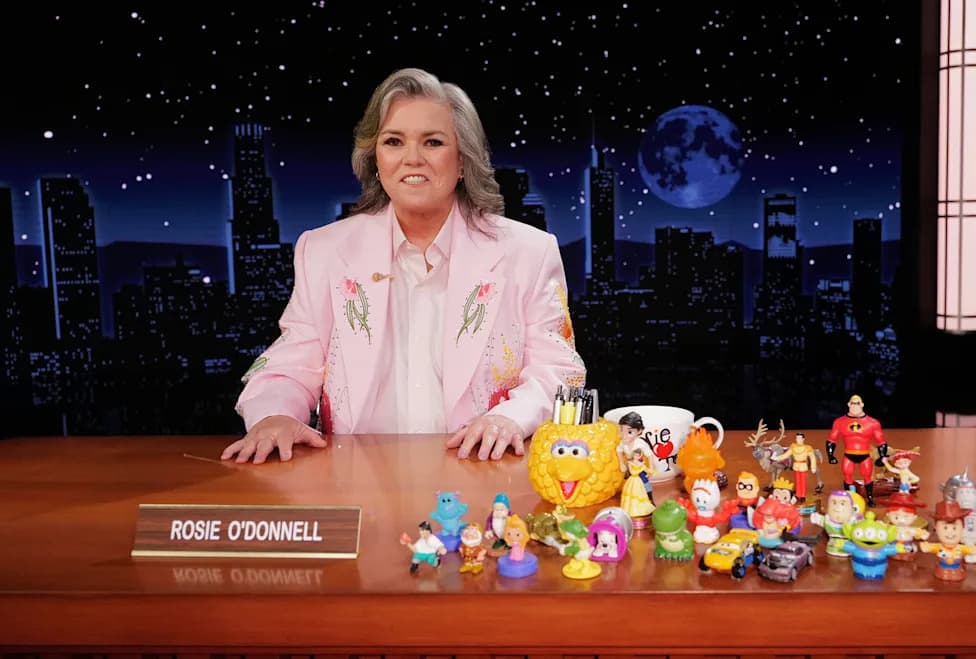
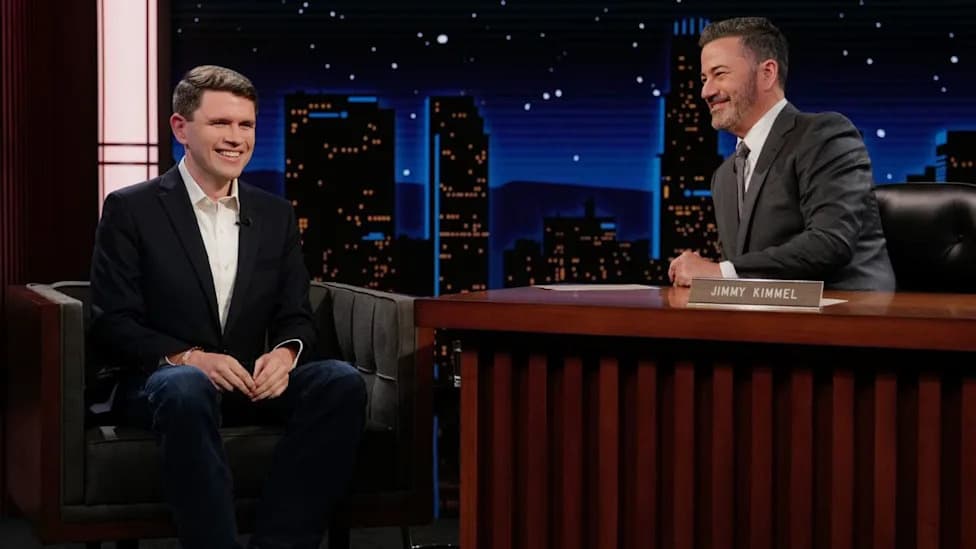
Rosie O'Donnell guest-hosted "Jimmy Kimmel Live!" on Aug. 17. Disney / Randy Holmes
Rosie O'Donnell's brief return to network television this week did more than revive 1990s daytime charm — it coincided with a broader confrontation between ABC/Disney and federal regulators that many see as a turning point in how major media companies respond to political pressure.
On Air: A Provocative Guest Host
Jimmy Kimmel tapped O'Donnell to guest-host while he was on vacation, a choice that doubled as a deliberate, pointed response to her long-running feud with former President Donald Trump. O'Donnell opened with sharp, comedic barbs — dubbing Trump the 'Mango Mussolini,' mocking reports of his furtive exit from Air Force One, and directly addressing him: 'Hi! I know you're watching!' — gestures meant as both entertainment and defiance.
In Court: ABC and Disney Sue the FCC
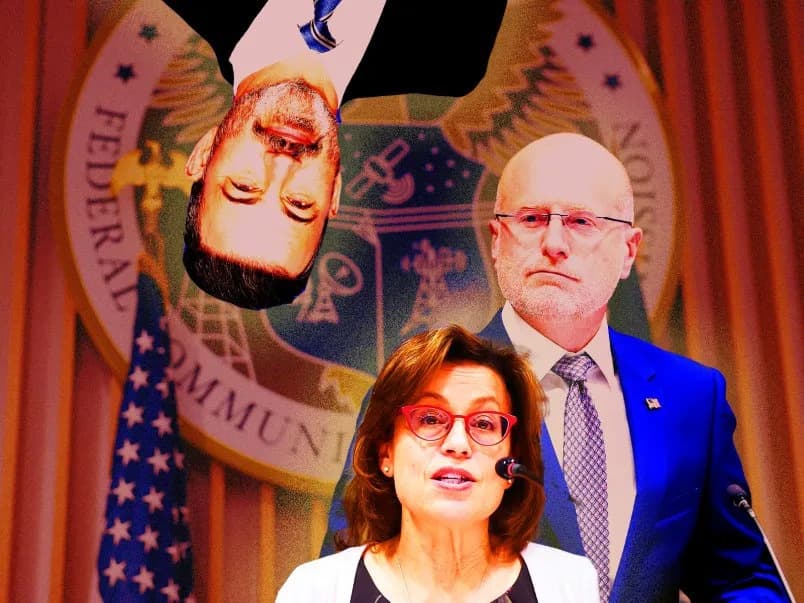
The morning after O'Donnell's debut, ABC and its parent company Disney filed a federal lawsuit against the Federal Communications Commission. The suit challenges the agency's decision to accelerate license-renewal reviews for eight Disney-owned ABC stations and argues that the expedited scrutiny has already chilled newsroom decisions.
According to the complaint, the longtime daytime program The View has avoided booking political guests for months and has declined to air clips it normally would use, out of fear the footage could be leveraged in the FCC's review. The suit seeks emergency relief to halt the early renewal proceedings and to prevent the agency from using station licenses as leverage against editorial choices.
Key Allegations and Stakes
In a striking revelation, Disney told the court that it once streamed a Trump primetime address containing debunked election claims not because it wanted to, but because it feared the consequences of refusing — a claim the company offers as evidence of self-censorship driven by regulatory pressure. The FCC counters that its review concerns Disney's diversity, equity and inclusion practices, not editorial content.
Commissioner Brendan Carr, a Trump appointee, has described the lawsuit as meritless and said the commission is following the law. Still, public statements and timing — including Carr's earlier comments suggesting ABC might face consequences after late-night barbs — have intensified scrutiny of the agency's independence.
Context: Pressure, Accommodation, and a Shift
Documents reported by The Guardian show multiple contacts between FCC officials and figures in Trump's circle, raising questions about cozy coordination. Meanwhile, Disney's recent decision to litigate marks a departure from earlier accommodation: in December 2024 ABC agreed to pay $15 million toward a presidential library to settle a defamation dispute tied to on-air remarks.
Leadership change appears to have helped prompt the shift. Josh D'Amaro, who became CEO in March, has publicly vowed to defend journalistic integrity and resist being told how to run news operations — a stance ABC and Disney say they now intend to back up in court.
What This Means
The clash highlights several broader concerns: whether federal agencies can be used to apply political pressure on media organizations, how corporate media respond to intimidation, and the chilling effect such pressure can have on editorial independence. O'Donnell's on-air return offered a visible, cultural retort; the lawsuit represents a formal, legal response — together signaling that ABC/Disney may be shifting from acquiescence to confrontation.
Note: This article synthesizes reported events and filings as of the time of publication. New developments could change the legal and political dynamics described here.
Help us improve.