New age mapping of granites reveals buried continental fragments linking India through Southeast Asia, much of China and Kazakhstan to Gondwana. Incorporating these fragments raises Gondwana’s connected area to ~80%, above the 75% threshold typically used to define a supercontinent. The team argues that the assembly of this larger Gondwana and its encircling volcanic arcs released large volumes of volcanic gases over ~50 million years, helping shift Earth’s climate and creating conditions conducive to the Cambrian explosion.
New Evidence Confirms Gondwana Was a True Supercontinent
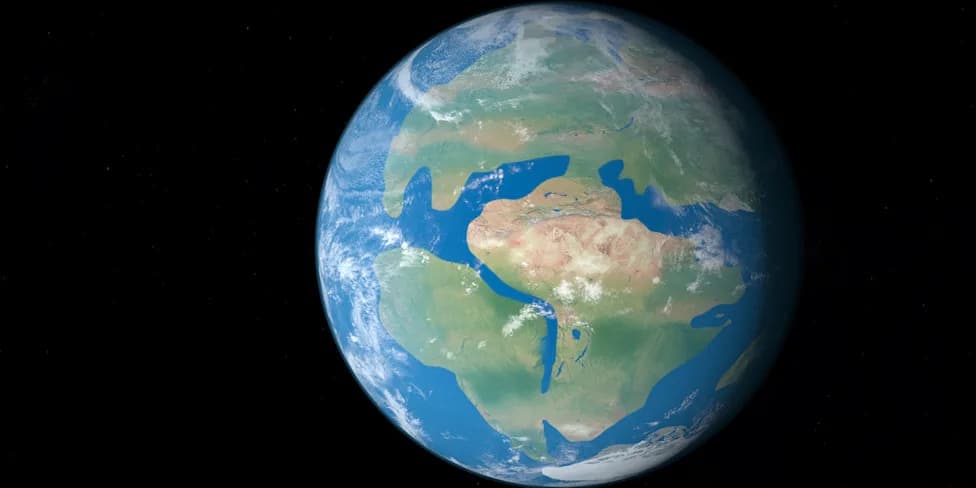
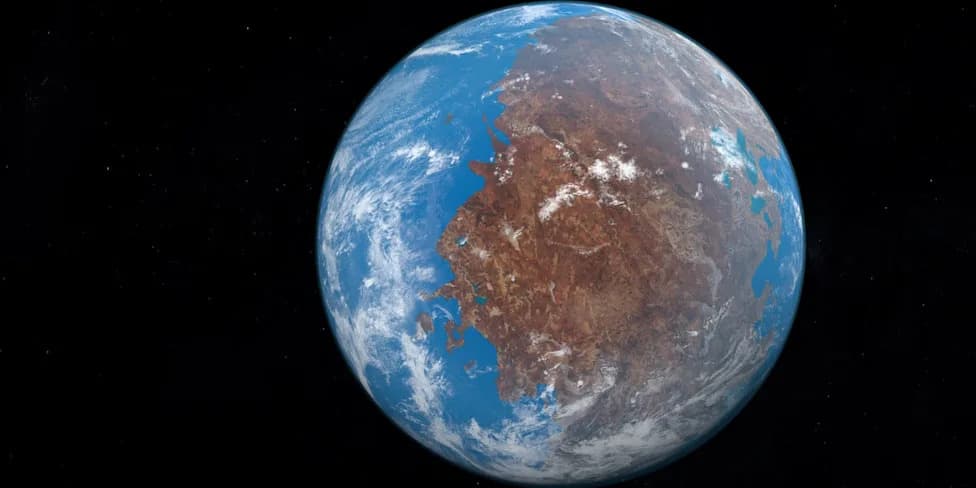
About 550 million years ago the Southern Hemisphere was dominated by a single vast landmass called Gondwana. New radiometric mapping of deep crustal rocks reveals previously hidden continental fragments buried beneath mountain belts, expanding Gondwana’s reconstructed area and settling a long debate about its status as a supercontinent.
How the Idea Began
The concept of Gondwana goes back to 1885, when Austrian geologist Eduard Suess recognised a distinctive fossil plant first described from the Gondwana Province of India. Identical fossils later appeared in Australia, Africa, Antarctica and South America, suggesting these continents had once been joined.
What Makes a Supercontinent?
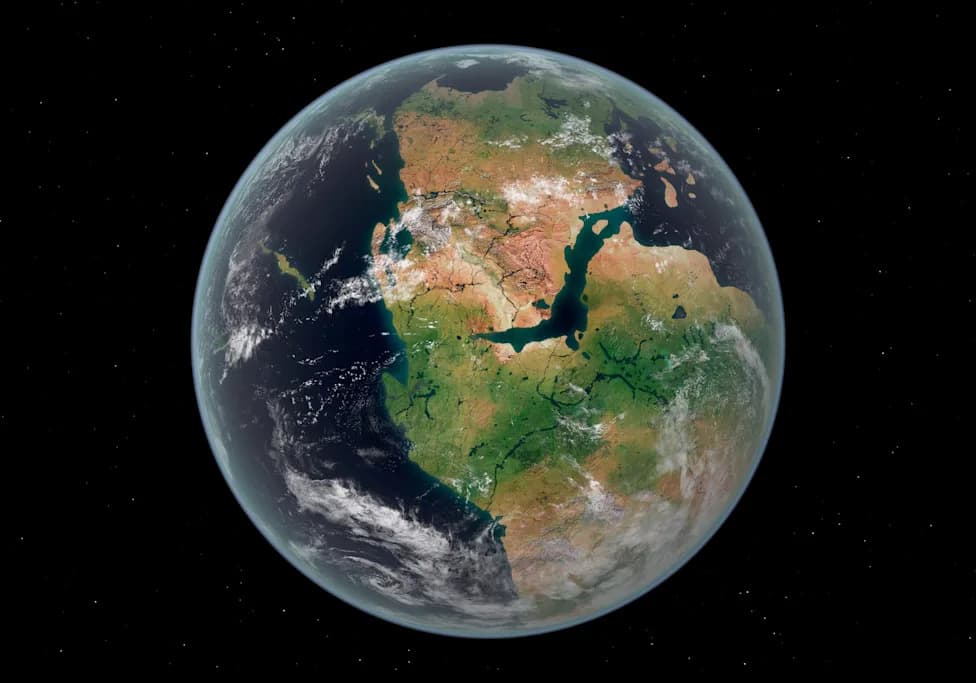
Modern definitions of supercontinents stem from observations in the 1980s that Earth’s tectonic and sea‑level records show recurring, global‑scale cycles. Several supercontinents are commonly recognised: Columbia (Nuna) ~2.0–1.6 billion years ago, Rodinia ~1 billion years ago, Gondwana ~550–500 million years ago, and the youngest, Pangea ~300–250 million years ago.
In the 21st century some researchers questioned whether Gondwana qualified as a supercontinent because early reconstructions connected only about 64% of continental area—below an often‑used 75% threshold. Those reconstructions were based primarily on five continental fragments: India, South America, Africa, Australia and Antarctica.
New Radiometric Mapping and the Hidden Crust
Our team assembled a global database of granite ages to map the deeper crustal sources from which exposed granites were derived. Using established radiometric techniques and plotting individual age data at a continental scale, we produced an age‑map of deep crustal sources.
The analysis shows that crustal blocks formed roughly 700–550 million years ago extend from India and parts of Southeast Asia, through much of China and into Kazakhstan. These regions had often been interpreted as oceanic fragments or volcanic island arcs, but the age and chemistry of the granites indicate they were originally continental crust and part of Gondwana.
Gondwana’s New Extent and Why It Matters
Including these previously unrecognised fragments increases Gondwana’s connected continental area to about 80%—above the commonly cited 75% criterion—supporting its classification as a genuine supercontinent.
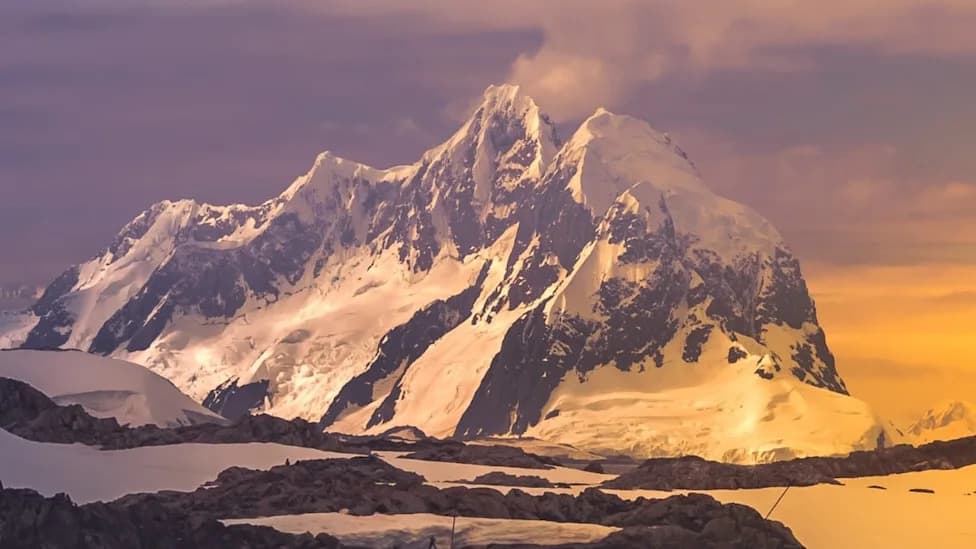
The assembly of a larger Gondwana had profound environmental consequences. As continental fragments welded together between roughly 750 and 550 million years ago, vast mountain belts formed and plate‑tectonic reconfiguration produced a near‑global volcanic‑arc system encircling the supercontinent—an ancient analogue of today’s Pacific Ring of Fire, spanning ~35,000 km.
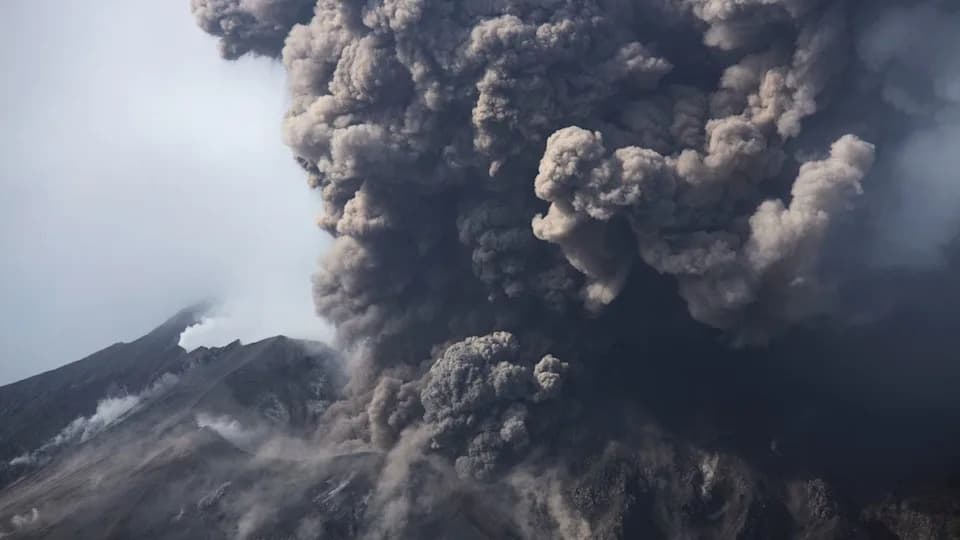
Sustained volcanic activity along this arc would have released large volumes of volcanic gases (notably water vapour and CO2) over an extended interval. While precise fluxes are uncertain, continued emissions over roughly 50 million years plausibly contributed to a shift from icehouse to greenhouse climate. That global environmental change provided a context that likely helped enable the rapid expansion of complex life during the Cambrian (about 550–500 Ma).
Bottom line: New crustal age mapping shows Gondwana was larger than previously recognised and, by common measures, was a true supercontinent—an insight that helps connect tectonics, climate change and early animal evolution.
Help us improve.