Field studies of marathon and ultramarathon runners found that endocannabinoids—natural, cannabis‑like signaling molecules—rise during prolonged running. Anandamide increased steadily from about 14 km and stayed elevated 45 minutes after a marathon; 2‑AG rose later, near the finish, and remained high during recovery. Although these changes may help regulate mood, pain and recovery, blood measures cannot prove causation and responses vary by intensity and individual factors.
Your Body Makes Cannabis‑Like Chemicals During Long Runs — Could This Fuel the Runner’s High?

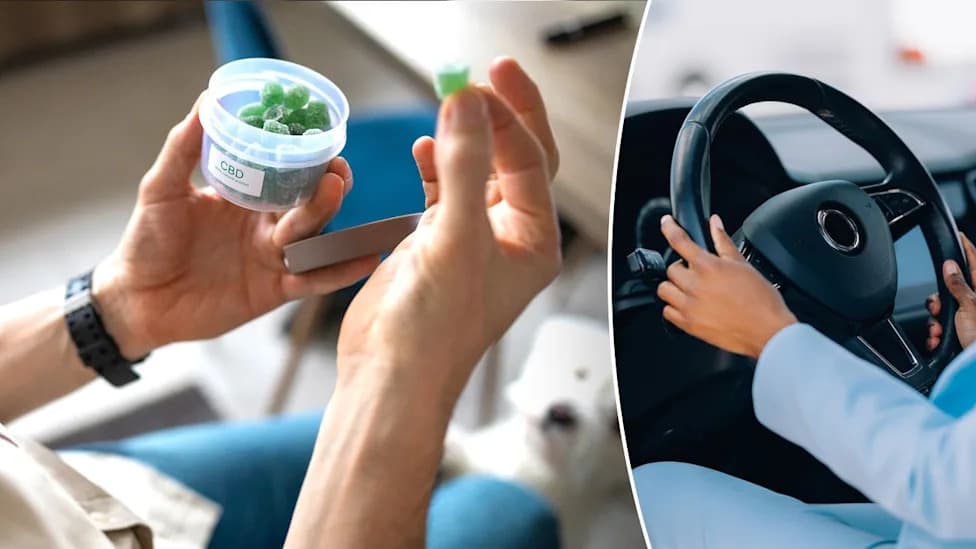
(RUN 4 FFWPU/Pexels/Canva)
Running long distances triggers a rise in natural, cannabis‑like signaling molecules called endocannabinoids that help regulate mood, pain, stress and recovery. A pair of field studies led by psychiatrist Michael Siebers (University of Duisburg‑Essen) measured these chemicals in real‑world endurance events to map how they change over hours of exertion.
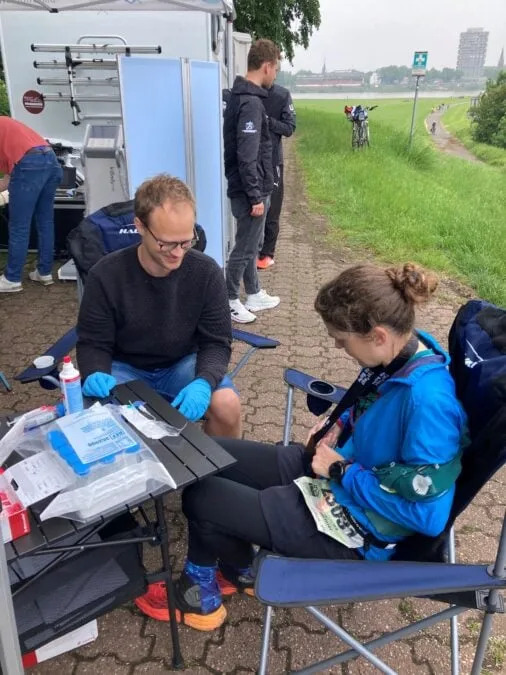
Researchers collected blood samples from ultramarathon runners completing distances of up to 230 kilometers. (Courtesy of Katrin Ringe and Michael Siebers (Marathonstudie and TTdR3))
What The Studies Did
The researchers ran two field investigations with experienced endurance athletes. In the first, 19 runners completed a marathon around Lake Baldeney in Essen, Germany; on a separate day the same participants walked for the same duration to serve as a matched control. Blood samples were taken before the run, at two brief mid‑race stops, at the finish and again after 45 minutes of recovery, and participants rated their happiness, anxiety and pain.

Participants provided repeated blood samples during the endurance-running study. (Courtesy of Katrin Ringe and Michael Siebers (Marathonstudie and TTdR3))
The second study sampled 36 ultramarathon athletes in the TorTour de Ruhr, who completed 100 km, 160 km or an extraordinary 230 km. Blood was drawn before and after those races.

Subscribe to ScienceAlert's free fact-checked newsletter
Key Findings
- Anandamide (named for the Sanskrit word for bliss) rose steadily during marathon running and was significantly higher than matched walking from about 14 km (8.7 miles) onward. Levels remained elevated 45 minutes after the marathon.
- 2‑AG (2‑arachidonoylglycerol) increased later, near the end of races, and stayed elevated during recovery. 2‑AG is implicated in immune regulation, inflammation, energy balance and tissue repair.
- Both anandamide and 2‑AG rose after marathon and ultramarathon distances, but longer distances did not always produce higher blood levels; exercise intensity and pacing likely influence the biochemical response.
- Subjective effects varied: marathon running produced higher happiness and lower anxiety compared with matched walking, but pain rose sharply after roughly 28 km. In the ultramarathon cohort only 12 of 36 athletes reported experiencing a runner’s high.
Interpretation And Limits
These results provide a detailed picture of how circulating endocannabinoids change during prolonged, real‑world running. However, important caveats remain: the study measured chemicals in blood, not directly in the brain, so it cannot prove these molecules caused mood changes. Sample sizes were modest, and factors such as sleep, nutrition and stress were not fully controlled. Animal studies offer stronger causal evidence, but the human link is still correlative.
“Anandamide and 2‑AG are produced and degraded through different biochemical pathways, so it is not surprising that they followed different time courses,” Michael Siebers told ScienceAlert.
Bottom Line
Endurance running elevates circulating endocannabinoids in patterns that plausibly support mood regulation, reduced anxiety and recovery, but elevated blood levels alone do not guarantee a runner’s high. Intensity, fatigue and individual variability shape whether runners actually feel euphoria or calm during long efforts. The study appears in BMC Medicine and adds valuable, real‑world data to our understanding of exercise biochemistry.
Help us improve.