A small trial found that repeated 30‑second sprints in a 23‑minute session produced a rapid surge in more than 700 blood proteins linked to lower cardiovascular and metabolic risk — far more than a 90‑minute moderate cycling session. Blood was sampled before, during, immediately after, and three hours post‑exercise to capture short‑term molecular changes. The study was limited by its small size and inclusion of men only, so larger, more diverse trials are needed to confirm the findings.
Can 3 Minutes of Sprinting Beat 90 Minutes of Moderate Exercise? New Study Suggests It Might

Is just three minutes of sprinting better for your health than 90 minutes of exercise?
A small new study found that just a few minutes of high-intensity sprinting triggered a much larger and faster molecular response in the blood than a 90‑minute bout of moderate exercise. Researchers say the differences were evident in dozens of proteins tied to muscle, liver, gut, immune and metabolic health — suggesting that exercise intensity can change the body's biochemical signals in important ways.
Study Design
Nearly 20 healthy men took part in the trial. One group performed repeated 30‑second all‑out sprints across a single 23‑minute session, while a comparison group cycled at a moderate pace for 90 minutes. Investigators drew blood before exercise, during the session, immediately after the workout and again three hours later to map short‑term molecular changes.

It's long been known that exercise can improve overall health. New research reveals that the kind of exercise matters more than we knew (Getty Images)
Key Findings
Samples from the sprint group showed an immediate surge in levels of more than 700 proteins associated with lower cardiovascular and metabolic risk and improved organ function. By contrast, the cycling group showed only seven of those proteins changing during exercise and roughly a dozen more by the three‑hour mark.
"What's exciting here is that just a few minutes of intense exercise can trigger a significant molecular response," said Dr. Paul Cohen, director of the molecular metabolism lab at Rockefeller University.
Limitations
The study was small and included only men, so the findings may not generalize to women or to wider populations. The research measured short‑term protein responses in blood, which are suggestive but do not prove long‑term health outcomes. The authors and outside experts note that larger, more diverse studies are needed to confirm whether brief high‑intensity sessions produce lasting clinical benefits compared with longer moderate exercise.
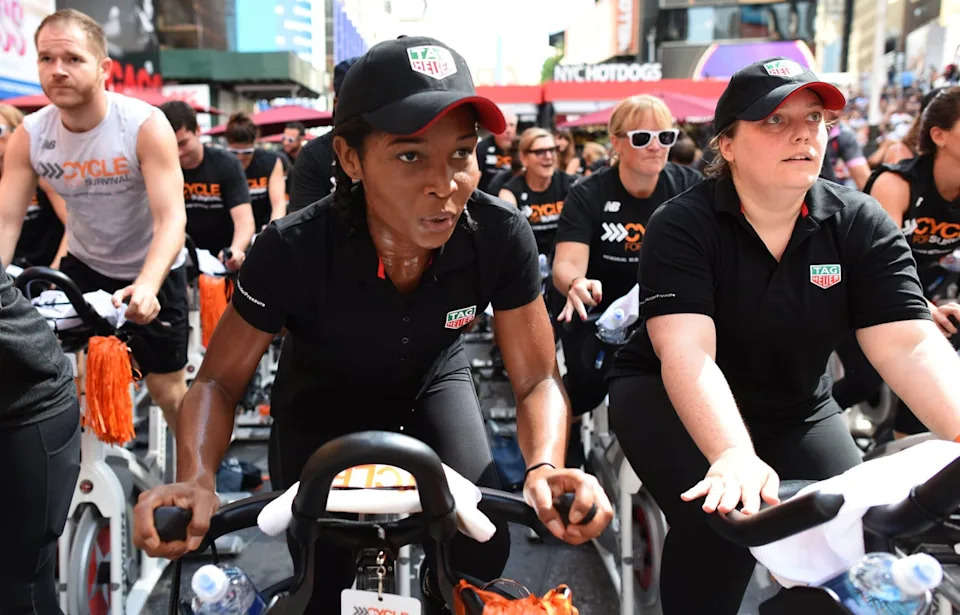
Women were not included in this study but future research could look into wider groups of athletes and the effects of high-intensity exercise on their blood (AFP via Getty Images)
What This Means
The results add to growing evidence that exercise intensity matters at a molecular level. For people short on time, brief high‑intensity intervals may provide powerful biological signals linked to health, but they are not a simple substitute for established fitness guidelines. Anyone considering a new high‑intensity routine should discuss it with a healthcare provider, especially if they have underlying health conditions.
Bottom line: Short, intense sprints triggered a much larger immediate blood‑protein response than prolonged moderate cycling in this small study, but more research is needed to understand the long‑term health implications and how these findings apply to diverse groups.
Help us improve.