Australia ranks as the most resilient large country to survive a global catastrophe, according to an interdisciplinary review published Aug. 23 in Global Challenges. The study grouped threats into sunlight-blocking events, infrastructure-destroying disasters and biological hazards, and found that wealth, a strong industrial base and limited trade dependence improve resilience. Southern Hemisphere locations gain advantages from fewer volcanoes and oceanic climate buffering. Experts stress that no place is fully immune and call for investment in food-system resilience and better crisis planning.
Where Is Safest From a Global Catastrophe? Study Ranks Australia Best

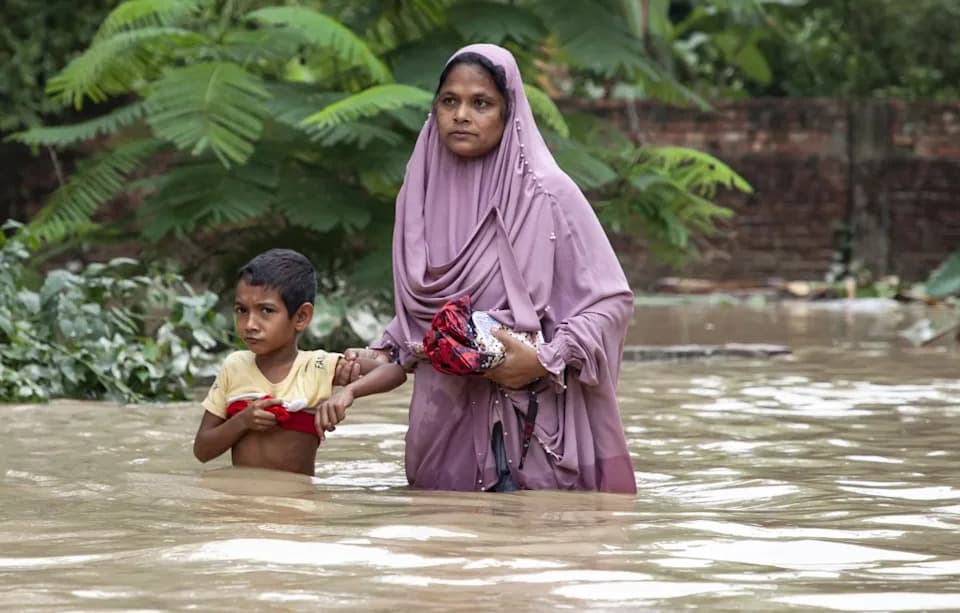
Researchers looked at which countries would be most resilient in the face of a global catastrophe. . | Credit: SEAN GLADWELL via Getty Images
A new interdisciplinary review finds that, while no place on Earth would be immune to a truly global catastrophe, some countries are better positioned to endure large-scale shocks. The analysis, led by Florian Ulrich Jehn (FernUniversitãt in Hagen) and published Aug. 23 in Global Challenges, ranks nations by their capacity to survive events that could kill more than 10% of the world population over months or years.
How the Study Was Done
The researchers compiled evidence across disciplines including food security, volcanology, biological hazards and infrastructure resilience, and consulted subject experts to add specialized literature. They identified resilience factors by examining how communities coped with past or localized disasters and extrapolated those lessons to global-scale scenarios.
Three Categories of Global Catastrophic Risk
- Sunlight-blocking events — for example, nuclear war or an enormous volcanic eruption that throws particulates into the atmosphere and cools the planet.
- Infrastructure-destroying disasters — such as extreme geomagnetic storms or large-scale cyberattacks that disable critical systems and supply chains.
- Biological hazards — including naturally emergent or engineered pathogens capable of causing catastrophic mortality.
What Makes a Country Resilient
The team highlighted several cross-cutting traits that improve a country s chances of coping with prolonged global disruption:
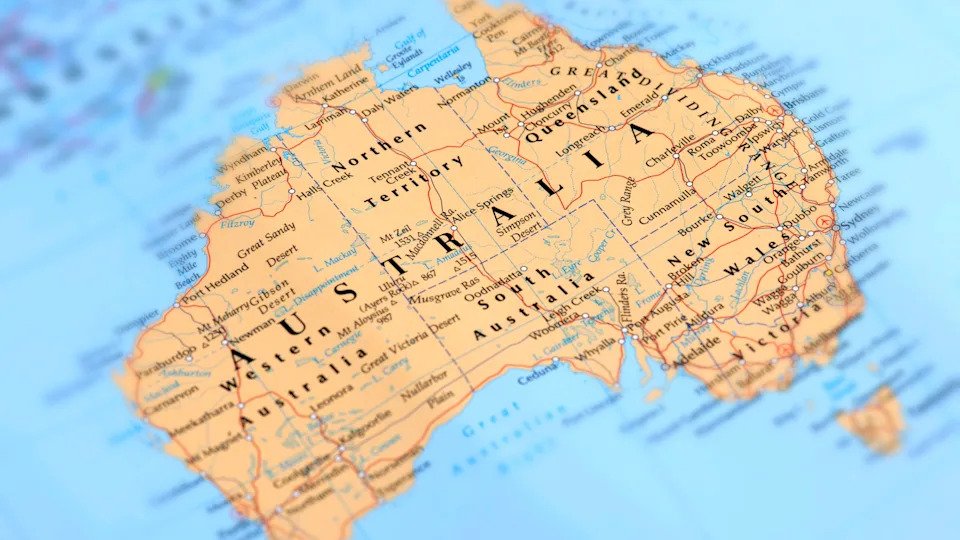
Findings showed Australia is the best place to survive an apocalyptic event. | Credit: omersukrugoksu via Getty Images
- Wealth and a robust industrial base: Nations that can manufacture essential goods domestically are less dependent on fragile global supply chains.
- Limited dependence on international trade: Countries that can produce food, energy and critical inputs locally gain an advantage if imports cease.
- Favorable geography: Southern Hemisphere locations benefit from fewer high-latitude volcanoes and greater ocean buffering in some sunlight-blocking scenarios; large islands can isolate themselves when necessary.
- Functional governance and lower inequality: Democracies with effective institutions and greater social cohesion are likelier to make timely, equitable decisions during crises.
Which Countries Ranked Best
The review identified Australia as the most resilient large country. Australia s strengths include diverse agricultural zones, significant energy infrastructure, and a Southern Hemisphere location that reduces exposure to many likely Northern Hemisphere conflict scenarios. The authors note, however, that Australia s alliances could in some cases raise its geopolitical exposure.
Other relatively resilient countries include Argentina and Brazil (large domestic food production but weaker governance and higher inequality) and New Zealand (strong isolation and food production but a smaller industrial base and volcanic/tsunami risks). Iceland was considered promising but vulnerable to severe cooling if sunlight were blocked globally. The United States was assessed as less well placed overall due to exposure to geomagnetic storms, centrality in nuclear geopolitics, and weaknesses revealed by the COVID-19 response.
Expert Reaction and Policy Implications
David Denkenberger, director at Alliance To Feed The Earth In Disasters (ALLFED), said the study broadens understanding by comparing many catastrophic scenarios and urged quantifying likelihoods and trade-offs for resilience measures.
Both Jehn and external experts recommend that unlikely but high-impact global catastrophes be included on national risk registers. Practical preparedness actions include investing in food-system redundancy, protecting critical infrastructure, coordinating international trade contingency plans, and strengthening governance and social cohesion.
Bottom line: No nation is invulnerable, but countries with domestic production capacity, stable governance, and advantageous geography will fare better if global systems break down.
Help us improve.