Sen. Rick Scott criticized Turkey after the Treasury sanctioned Golden Global Yatirim Bankasi for allegedly moving "tens of millions" for Iran's IRGC-Quds Force. He declared "Turkey is NOT OUR FRIEND" and urged accountability for those aiding Iran. Treasury Secretary Scott Bessent warned that institutions supporting Iran could face penalties. The action adds strain to U.S.-Turkey ties amid Turkey's expanded role in Syria and growing tensions with Israel.
Sen. Rick Scott: "Turkey Is Not Our Friend" After U.S. Sanctions Turkish Bank Over Iran Ties
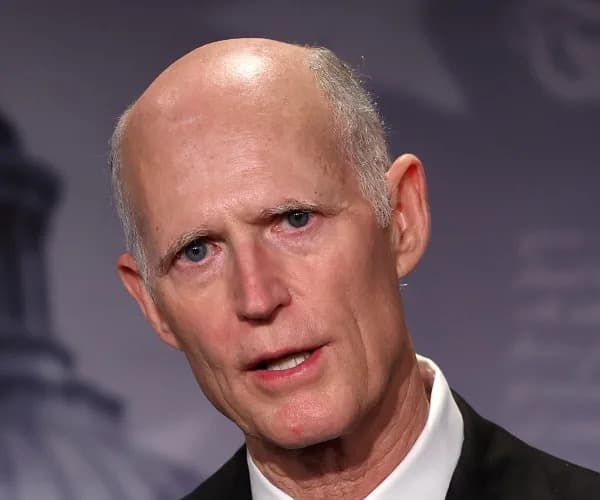
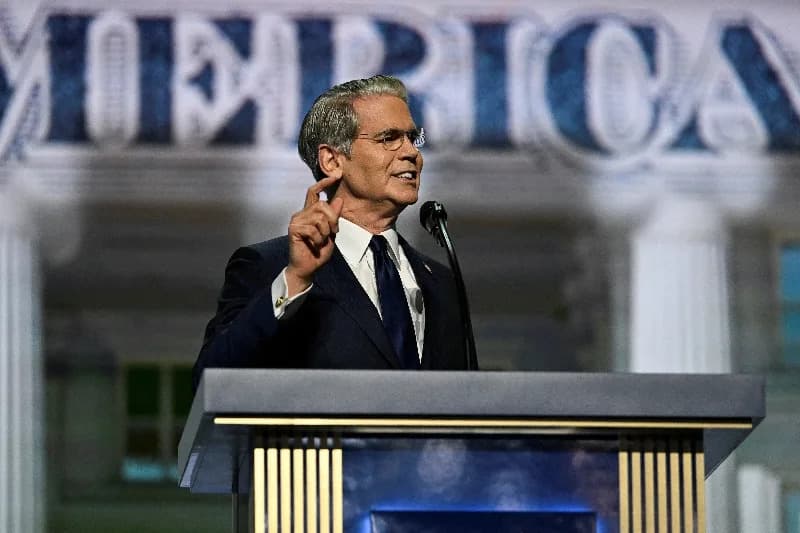
Sen. Rick Scott, R-Fla., at the U.S. Capitol on March 6, 2024, in Washington, D.C. (Kevin Dietsch/Getty Images)
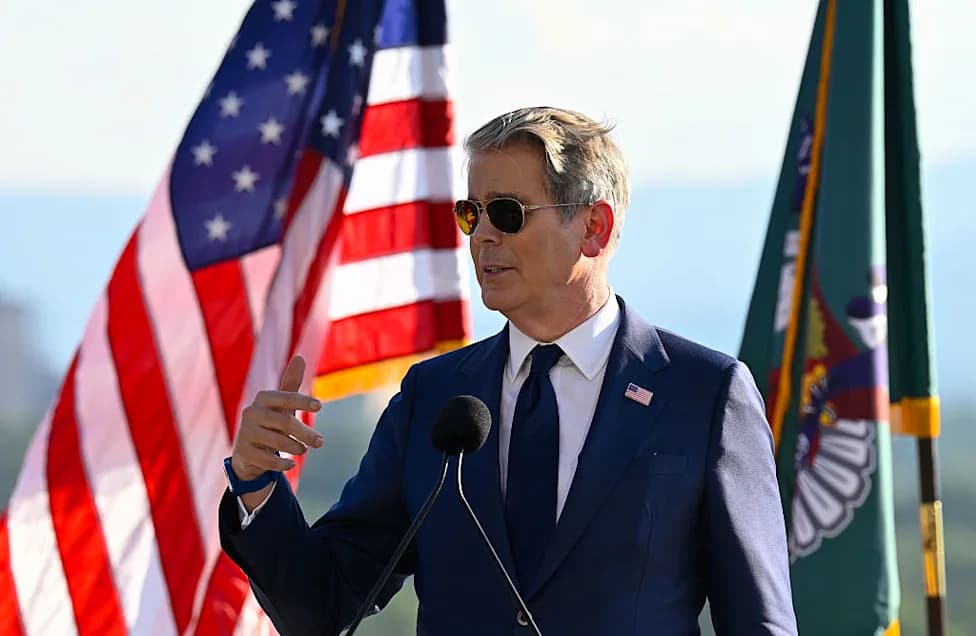
Sen. Rick Scott (R-Fla.) sharply criticized Turkey's relationship with the United States after the U.S. Treasury Department announced sanctions against a Turkey-based bank accused of facilitating financial transfers for Iran's Islamic Revolutionary Guard Corps-Quds Force (IRGC-QF).
Posting on X, Scott wrote,
"Turkey is NOT OUR FRIEND."He said the Treasury action underscores what he called the security risks posed by Ankara's ties to Tehran and called for accountability for anyone aiding Iran's malign activities.
On Sept. 4, as part of Operation Economic Outcast, the Treasury designated Golden Global Yatirim Bankasi and two subsidiaries. Treasury officials said the bank allegedly facilitated "tens of millions of dollars" in transactions for the IRGC-QF and provided correspondent-banking access that allowed Iran to move money internationally.
Treasury Secretary Scott Bessent warned that financial institutions continuing to support Iran's financial networks would face consequences. The department said the designations block any U.S.-linked property of the named entities, bar U.S. persons from transacting with them, and put foreign institutions on notice about potential secondary sanctions exposure.
Scott's criticism carries weight because he serves on both the Senate Armed Services Committee and the Senate Foreign Relations Committee, positions that give him influence over national security and foreign-policy oversight.
Regional Context and Strategic Stakes
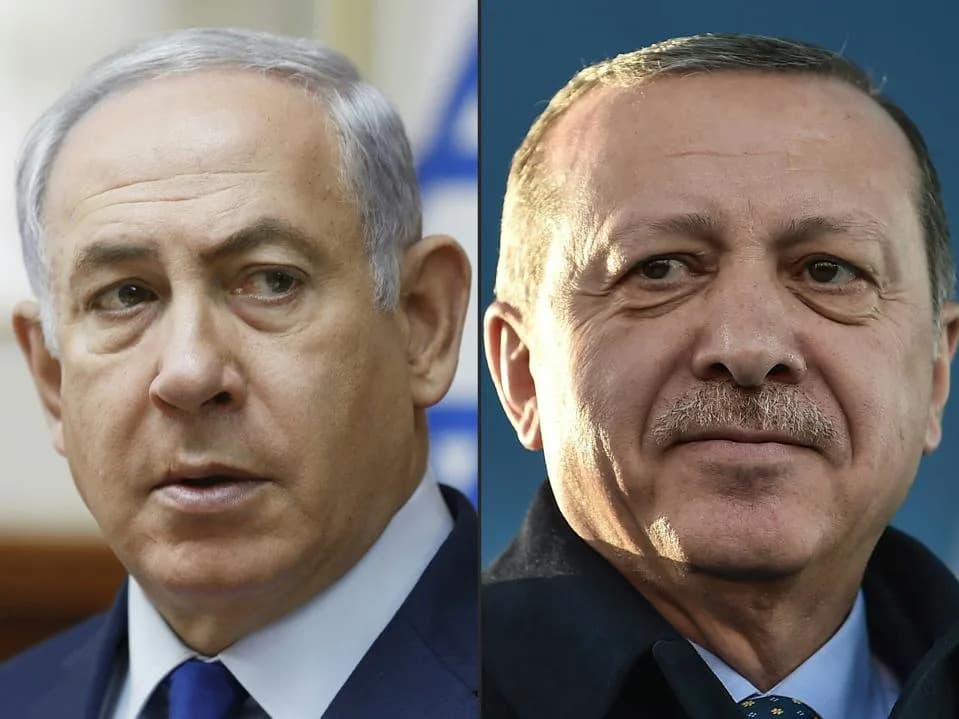
The dispute comes as Turkey expands its military and political footprint in Syria, backing local forces and pursuing a larger security role. Israel has expressed growing concern about Turkish activity in Syria, particularly amid reports of possible troop deployments. Israel recently struck a Syrian airbase it alleged could host Turkish forces; Damascus denied plans for a permanent Turkish deployment.
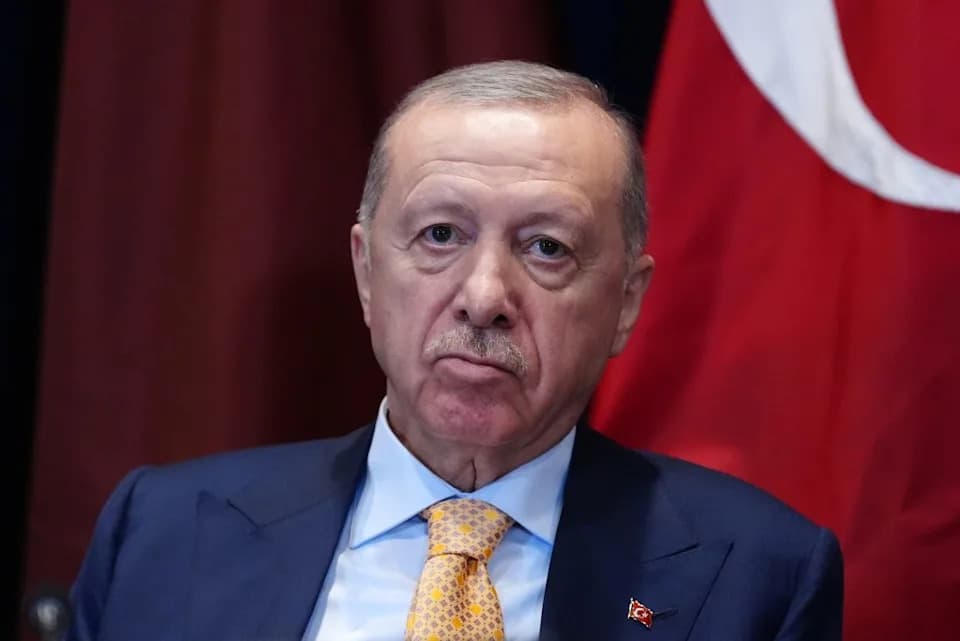
President Recep Tayyip Erdogan has been a vocal critic of Israeli operations in Syria and Lebanon, straining Ankara's relations with Jerusalem and complicating ties with Washington. At the same time, Turkey remains a NATO member and hosts strategically important U.S. facilities such as Incirlik Air Base. Turkish officials have denied that their bases were used by the United States in the recent U.S.-Iran tensions.
Implications: The sanctions and Sen. Scott's public rebuke highlight growing friction between U.S. security concerns and Ankara's regional policies. How the Biden administration balances countering Iran's financial networks while managing a complicated NATO partnership with Turkey will affect U.S. strategy in the Middle East and NATO cohesion.
Help us improve.