EAHP and EFPIA published guidance on 7 September urging barcodes on individual medicine doses to reduce medication errors and improve digital record keeping. The proposal would see all new products carry unit-dose barcodes from 2031, with older medicines retrofitted over time. Studies indicate bedside scanning can cut errors by 30%–60%, and research suggests unit-dose barcoding could lower errors by about 41%.
EU Pharma Pushes For Barcodes On Every Individual Medicine Dose To Cut Errors
EU pharma industry pushes for expansion of barcodes on medicines
Two leading European pharmaceutical trade associations have published new guidance calling for barcodes to be placed on individual medicine doses, a move intended to reduce medication errors and accelerate the digital integration of dispensing processes.
On 7 September, the European Association of Hospital Pharmacists (EAHP) and the European Federation of Pharmaceutical Industries & Associations (EFPIA) released a joint position supporting the extension of existing barcode requirements — currently applied mainly to multi-packs — so that each single unit dose carries its own unique identifier.
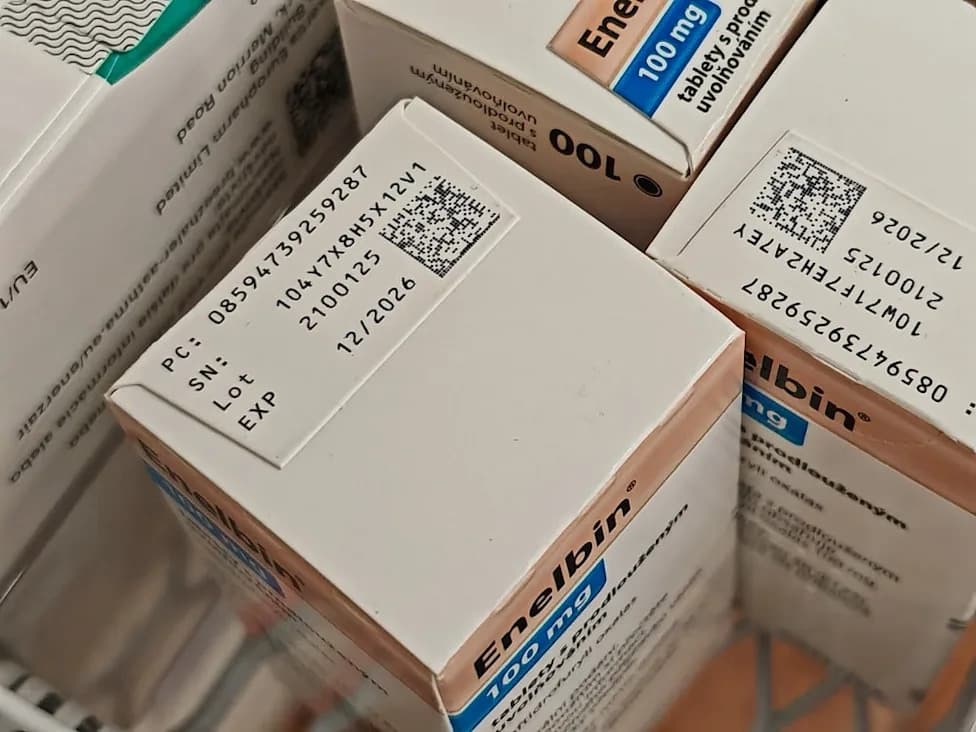
Under the proposal, all new products would include a barcode on every individual unit dose from 2031, with existing medicines to be retrofitted progressively. Barcodes have been mandatory on prescription medicines and certain over‑the‑counter products sold in the EU since 2019. Each unique identifier can contain information such as product code, batch number and expiry date.
Why It Matters
Implementation of barcodes across hospitals over the past decade was partly driven by efforts to reduce dispensing errors. Giving the wrong drug or the correct drug at the wrong dose increases patient harm, can extend hospital stays, prompt avoidable readmissions and raise healthcare costs.
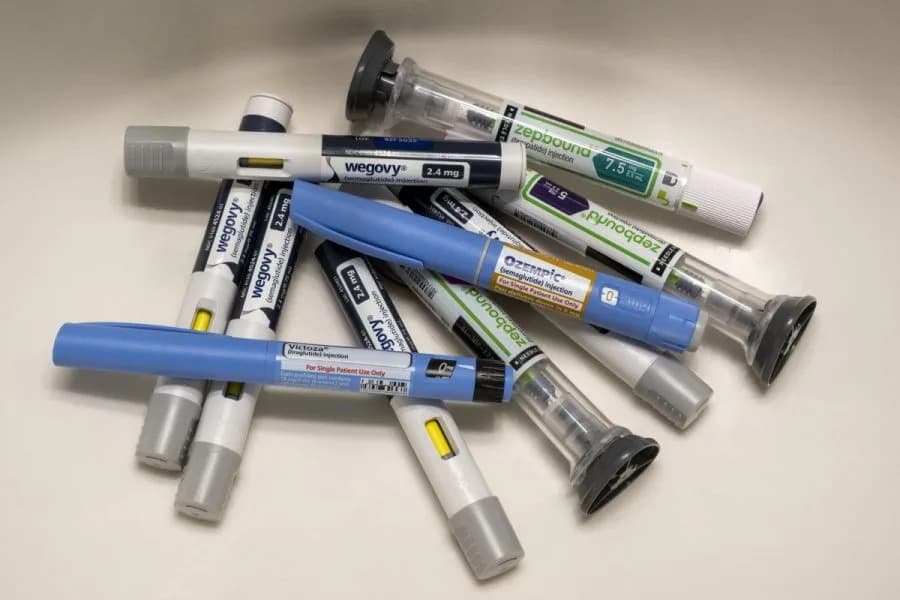
EAHP and EFPIA cite pharmacist-led studies showing that bedside scanning of barcodes can cut medication errors by roughly 30%–60%. Research published in the New England Journal of Medicine suggests that printing barcodes onto individual doses could reduce error rates by about 41%. The proposed expansion would cover formats such as vials, pre-filled syringes and injection pens.
Potential Benefits and Challenges
Benefits include improved patient safety, faster and more reliable bedside verification, automated entry of medication data into electronic patient records, better inventory control and faster, more accurate recalls. The associations say unit-dose barcodes would also free up healthcare professionals' time for clinical tasks.
Challenges remain: adapting packaging for small-format products, the cost of redesign and printing, and the investment required from manufacturers and supply chains to retrofit existing stock. EAHP and EFPIA stress that these technical and commercial obstacles must be addressed through phased implementation, standards alignment and industry collaboration.
Nathalie Moll, EFPIA Director General: "Over the next five years, all new medicines will include a barcode on every dose. This will support better use of healthcare resources, including healthcare professionals' time, and will deliver real advances in patient care."
The guidance and the proposed timeline aim to build on existing safety gains from barcode-enabled scanning and to further modernise medication management in hospitals and other care settings.
Originally published by Pharmaceutical Technology, a GlobalData-owned brand.
Help us improve.