Adidas is facing boycott calls after an Israeli advertisement featured ex‑soldier Shalev Biton using the company's single‑shoe service for amputees. Pro‑Palestine groups, led by PACBI's Stephanie Westbrook, say the ad is an 'affront' that risks normalising violence against Palestinians. Humanitarian agencies estimate 5,000–6,000 amputations in Gaza as of early October 2025 and roughly 42,000 people with life‑changing injuries during the two‑year conflict. High‑profile figures including Javier Bardem have amplified boycott appeals.
Adidas Faces Boycott Calls Over Israeli Ad Featuring Amputee Ex‑Soldier
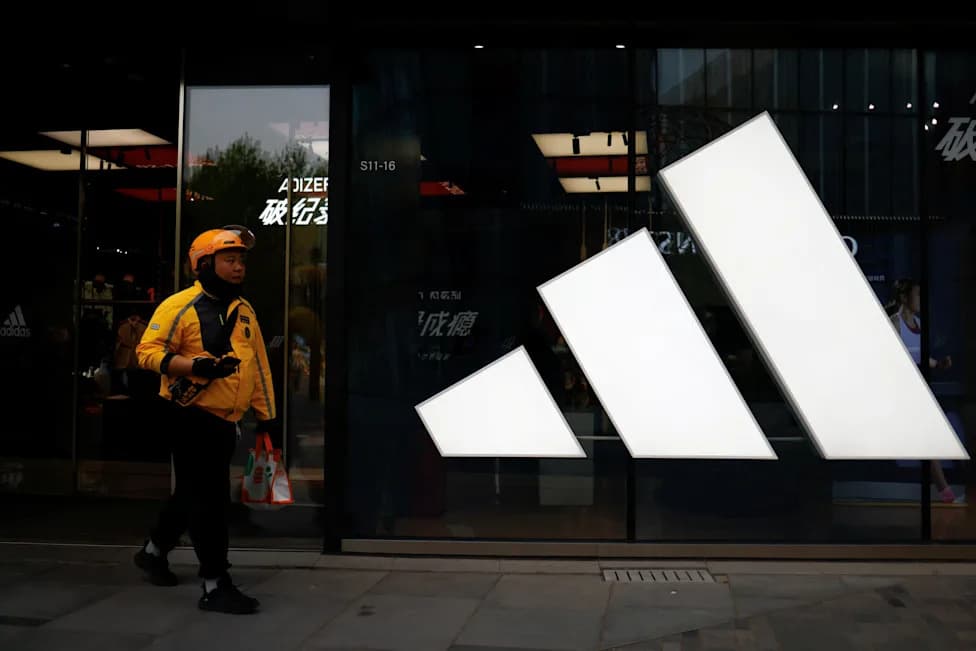
Rights activists and pro-Palestine celebrities are calling for a boycott of Adidas products [File: Tingshu Wang/Reuters]
Sportswear company Adidas has come under criticism and calls for a boycott after running an in‑store advertisement in Israel that features former Israeli soldier Shalev Biton using the brand's single‑shoe service for amputees.
The spot shows Biton trying on a prosthetic shoe at an Adidas store in Israel and later running outdoors while wearing it. Biton lost his leg after being wounded during the 2021 Israel–Gaza conflict, an 11‑day confrontation that included repeated Israeli strikes on the Gaza Strip.
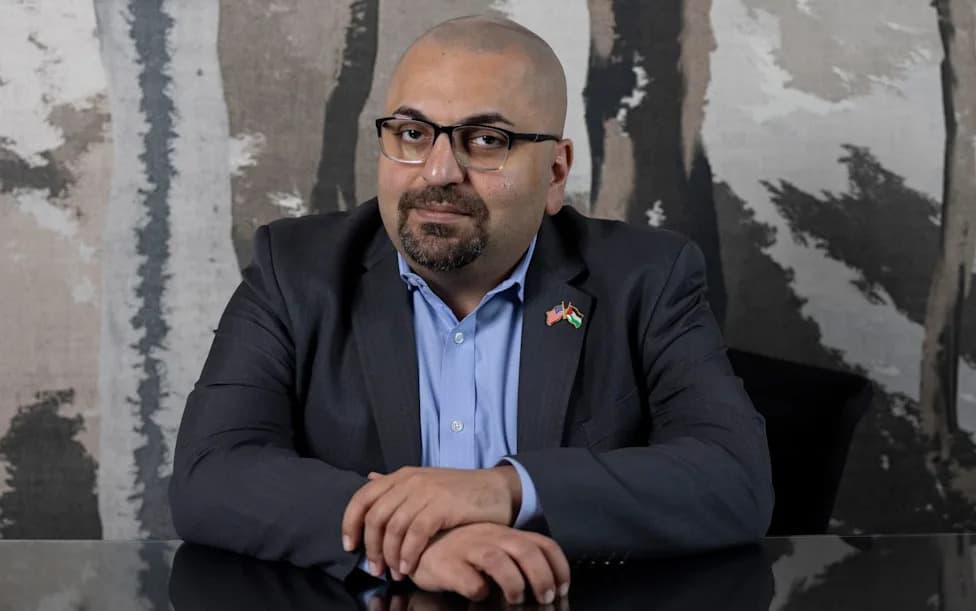
'This isn't Adidas being tone‑deaf or insensitive; it is an absolute affront to the Palestinians who have lost their loved ones, killed by Israel, and who have lost their limbs [to Israeli attacks],' Stephanie Westbrook, sports boycott campaigns coordinator for the Palestinian Campaign for the Academic and Cultural Boycott of Israel (PACBI) — a founding member of the Boycott, Divestment and Sanctions (BDS) movement — told Al Jazeera.
Westbrook and other pro‑Palestine campaigners say the advertisement normalises violence against Palestinians and risks allowing continued impunity for actions they describe as atrocities. They argue the ad is especially provocative because it highlights a soldier whose identity is linked to military service during repeated operations in Gaza.
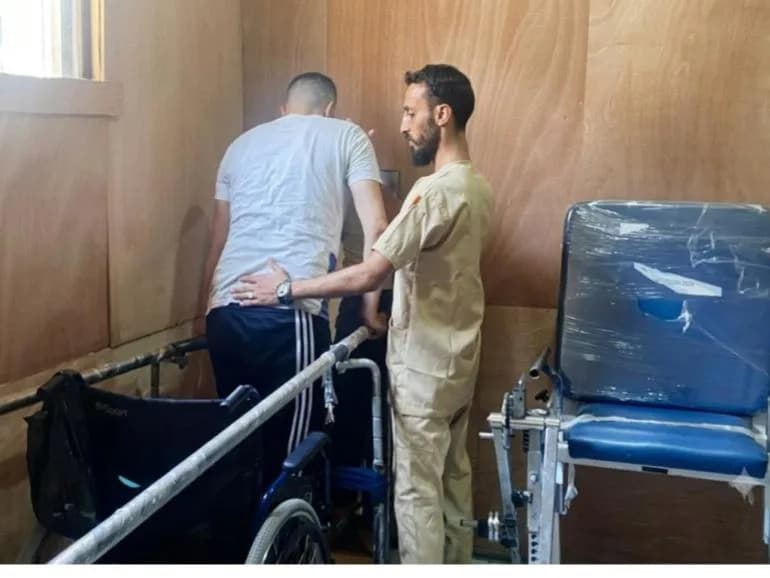
Humanitarian and health organisations have documented large numbers of amputations and severe injuries in Gaza during the fighting. The World Health Organization estimated that between 5,000 and 6,000 people in Gaza had undergone amputations as of early October 2025 — among roughly 42,000 Palestinians who suffered life‑changing injuries over the two‑year conflict. UNICEF has reported that about 11,000 of those injured were children, and the International Rescue Committee says children made up about a quarter of amputations in that period.
Civil society and rights campaigners also point to restrictions on humanitarian access and damage to medical infrastructure in Gaza, saying these factors have hampered the delivery of medicines, prosthetic components and rehabilitation services. Activists describe those shortages as a result of the blockade and the destruction of health facilities during the conflict.
The Adidas ad has prompted a swift social media backlash. High‑profile supporters of the boycott include Spanish actor Javier Bardem; US‑Palestinian author Susan Abulhawa and Pakistani writer Fatima Bhutto have also shared boycott appeals, while many Palestinians voiced condemnation online.
Some commentators emphasise the complex ethical questions advertisers face when featuring people with military backgrounds in contexts touching on ongoing conflicts. At the time of publication, Adidas had not issued a public statement addressing the controversy in the reports cited.
Why This Matters
The incident illustrates how commercial messaging can intersect with geopolitics and humanitarian crises, prompting consumer campaigns that demand corporate accountability. For many advocates, the ad is not only about one commercial but about the broader responsibilities of global brands when operating amid protracted conflicts and humanitarian emergencies.
Help us improve.