NICE has recommended Eli Lilly’s once-weekly insulin pen Onswik (efsitora alfa) for NHS coverage in England, subject to UK marketing authorisation from the MHRA. Phase III QWINT data showed Onswik delivers glycaemic control comparable to insulin degludec and insulin glargine. The weekly regimen could cut injections by about 85% and particularly benefit patients who need help administering insulin. A favourable EMA CHMP opinion was issued in June 2026; MHRA approval is the next milestone.
NICE Backs Eli Lilly’s Once-Weekly Insulin Onswik for NHS Coverage — MHRA Approval Pending
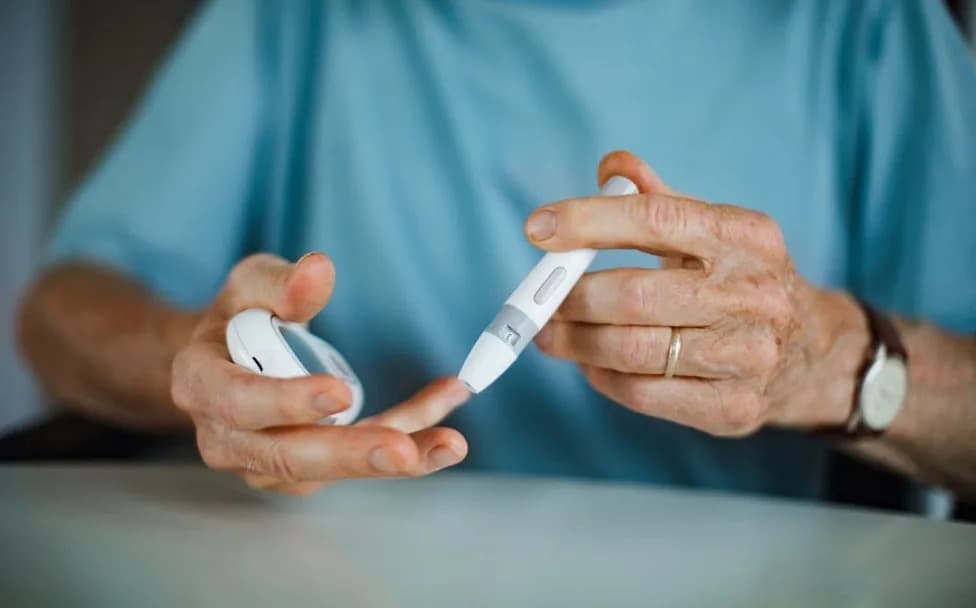
Eli Lilly’s weekly insulin jab Onswik set for NHS use if approved
The UK’s National Institute for Health and Care Excellence (NICE) has issued a positive recommendation for Eli Lilly’s once-weekly insulin injection, Onswik (efsitora alfa), opening the door to NHS coverage in England if the product subsequently receives UK marketing authorisation from the Medicines and Healthcare products Regulatory Agency (MHRA).
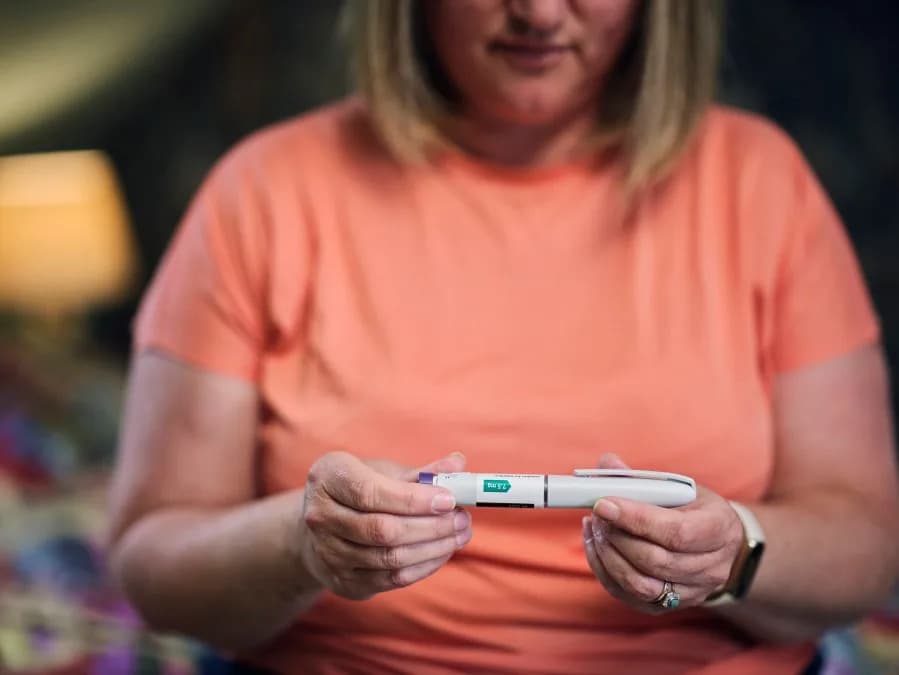
Onswik is supplied as a pre-filled injection pen intended for once-weekly administration rather than daily injections. Early forecasts suggest that switching eligible people with type 2 diabetes to the weekly regimen could reduce the number of injections per patient by roughly 85%. The weekly option may be especially valuable for patients who routinely need help with injections—such as older adults, people with learning disabilities and those with reduced hand dexterity.
NICE based its guidance on data from Lilly’s Phase III QWINT programme. The trials showed that Onswik provided blood glucose control comparable to two widely used long-acting basal insulins, insulin degludec and insulin glargine, which are taken to maintain stable blood glucose levels throughout the day. NICE concluded that people switching to Onswik should expect similar glycaemic control to their current basal insulin therapy.
Helen Knight, Director of Medicines Evaluation at NICE, said: “Moving from daily injections to a single weekly dose could make a real difference to the day-to-day lives of people with type 2 diabetes, especially those who rely on a carer, family member or healthcare professional to help them inject. This recommendation is the result of rigorous, evidence-based decision making, striking a balance between the benefits to patients and the best use of limited NHS funding.”
Onswik also received a favourable opinion from the European Medicines Agency’s Committee for Medicinal Products for Human Use (CHMP) in June 2026, signalling positive regulatory momentum. However, MHRA approval in the UK remains the necessary next step before the treatment can be prescribed on the NHS in England; a UK marketing authorisation is widely anticipated following NICE’s endorsement.
The relatively straightforward appraisal for Onswik contrasts with a more complex reimbursement journey for some other recent therapies. For example, NICE previously rejected Eli Lilly’s Alzheimer’s drug Kisunla (donanemab) in June 2025 because of a narrow clinical benefit; that decision was appealed and referred back to NICE’s appraisal committee in March 2026. Pharmaceutical companies have also raised concerns about the UK reimbursement environment in other cases, including pricing and investment decisions by major manufacturers.
Broader context: insulin remains more accessible and generally cheaper in the UK than in the United States. Research comparing 2022 prices found US insulin costs were nearly ten times higher than prices in 33 OECD comparator countries, a difference driven in part by complex rebate systems and the role of pharmacy benefit managers in the US market.
If the MHRA grants marketing authorisation, Onswik could offer many people with type 2 diabetes in England a convenient weekly alternative to daily basal insulin injections, potentially improving adherence and quality of life for patients and reducing the burden on carers and healthcare professionals.
Help us improve.