Record summer heat and scarce rain have driven water levels on the Danube, Rhine and other European rivers to historic lows, exposing prehistoric remains (including a young woolly mammoth in Bulgaria), Bronze Age artifacts and 19th- and 20th-century shipwrecks. The low flows have also disrupted inland freight—EU waterway cargo fell 3% in 2025—and could shave about 0.3 percentage points off Germany's GDP, analysts say. Conservationists link the crisis to climate change and river engineering, and the European Commission warns drier, warmer conditions may persist into September.
Europe's Heat Wave Dries Rivers, Revealing Mammoth Bones, Shipwrecks and Supply-Chain Strains
Andrej ISAKOVIC / AFP via Getty Images
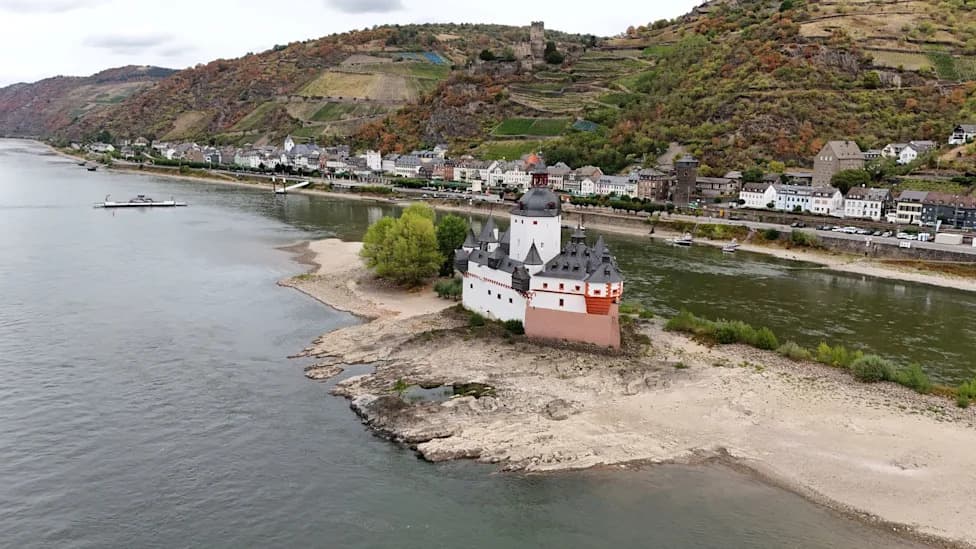
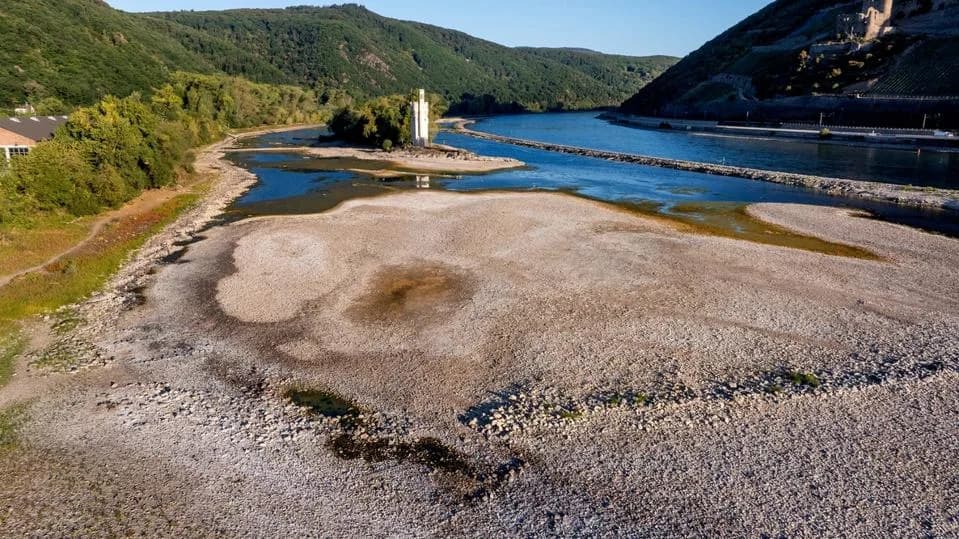
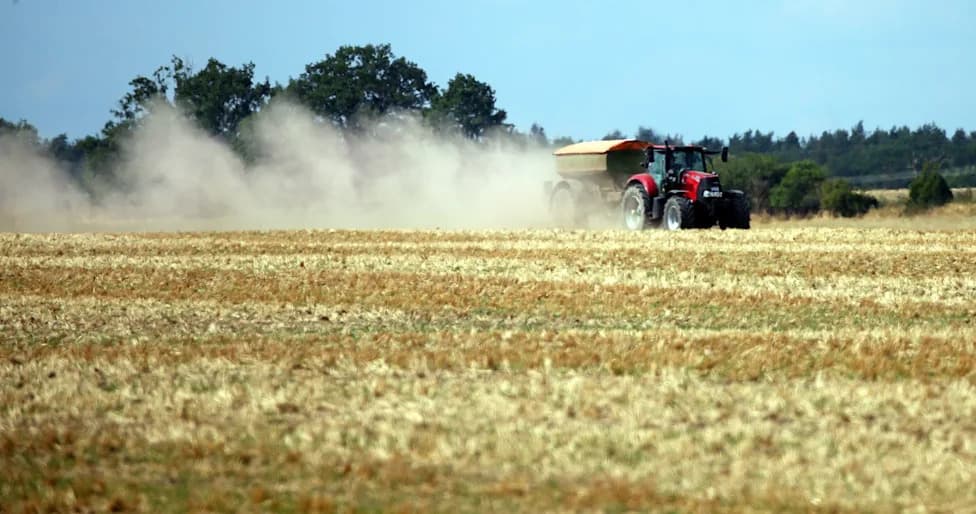
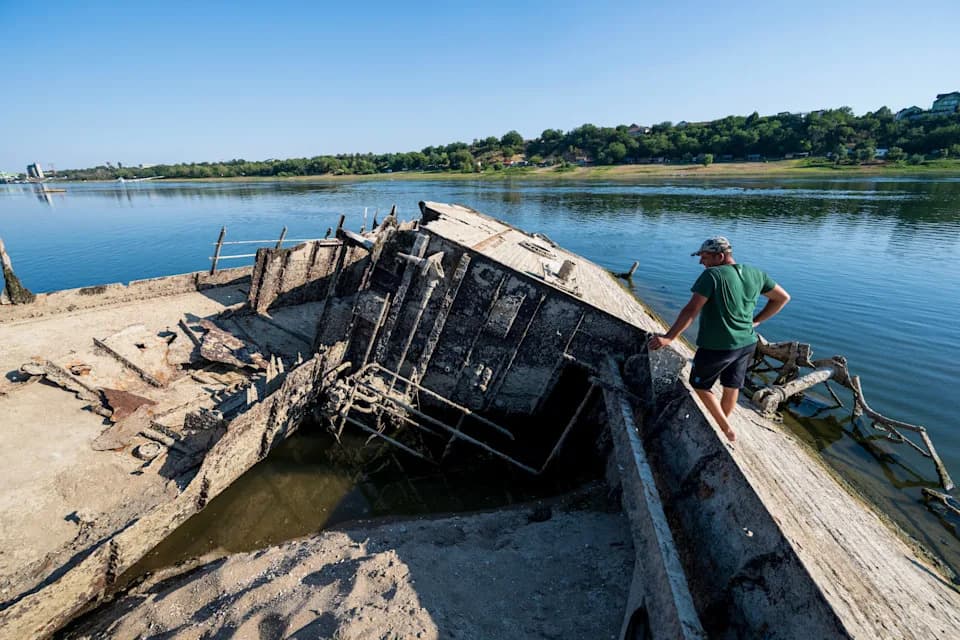
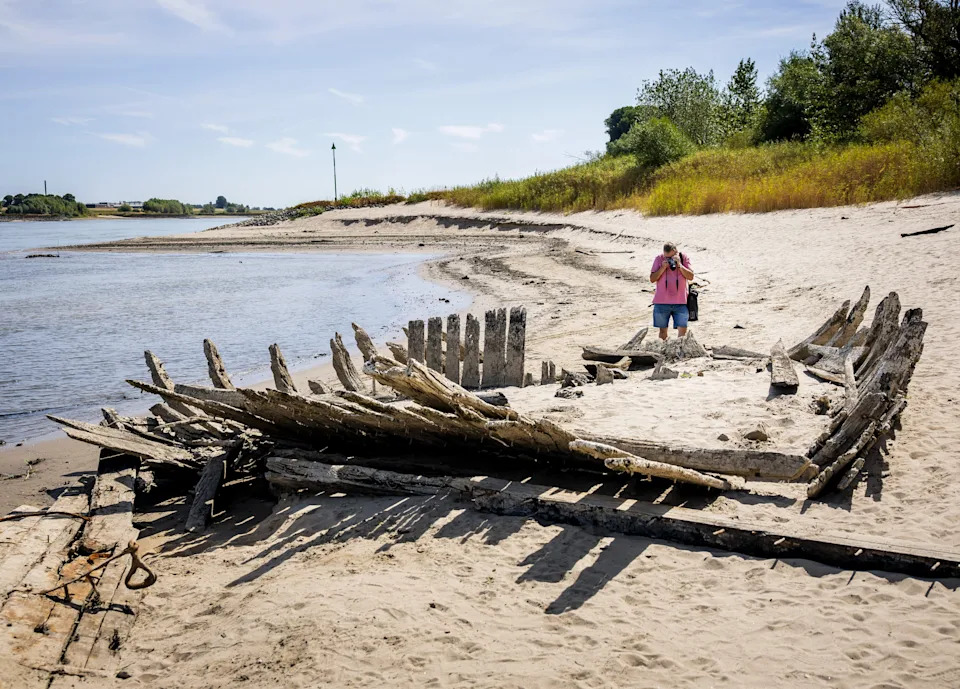
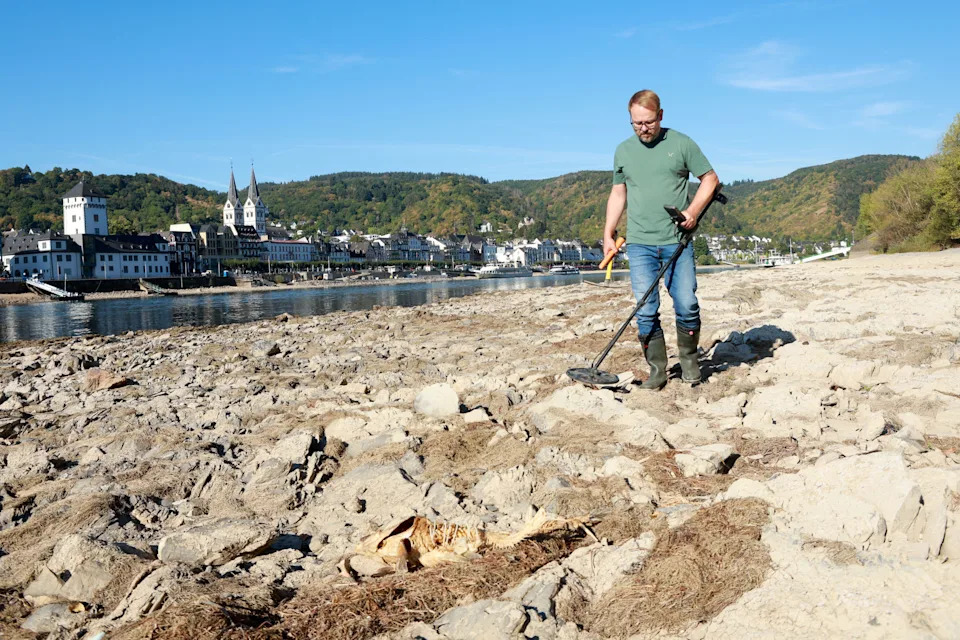
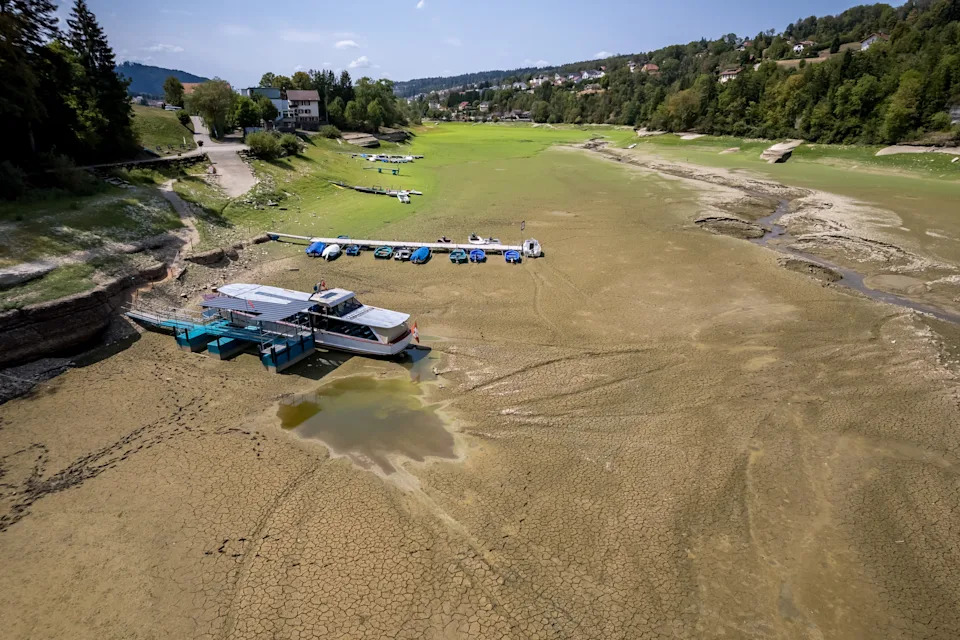
Record summer heat across Europe, with temperatures topping 100°F in some places, combined with scant rainfall, has pushed major rivers to unusually low levels. The Danube and the Rhine — Europe’s critical inland shipping arteries — have exposed long-submerged relics ranging from prehistoric mammal remains to 19th- and 20th-century shipwrecks, while also disrupting freight transport and revealing supply-chain vulnerabilities.
New Discoveries, Old Hazards
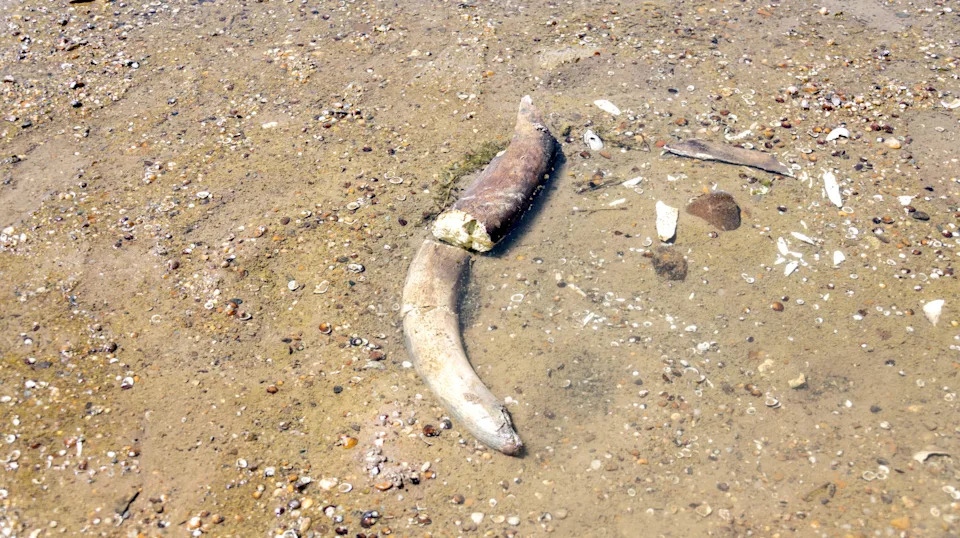
In Ryahovo, Bulgaria, a local resident exposed the lower jaw, femur, tusk and ribs of a young woolly mammoth along the banks of the Danube and alerted authorities and the Regional History Museum in Ruse. Krasimir Kirov, a curator and ecologist at the museum, said mammoth finds in the region date back to the mid-20th century, but that the current exposure poses fresh preservation risks.
"The water plays the role of the conservator of the conditions," Kirov said. "When the level is down and the bones are in contact with the air, this often leads to irreversible damage. Especially if specialists are not able to discover them in time."
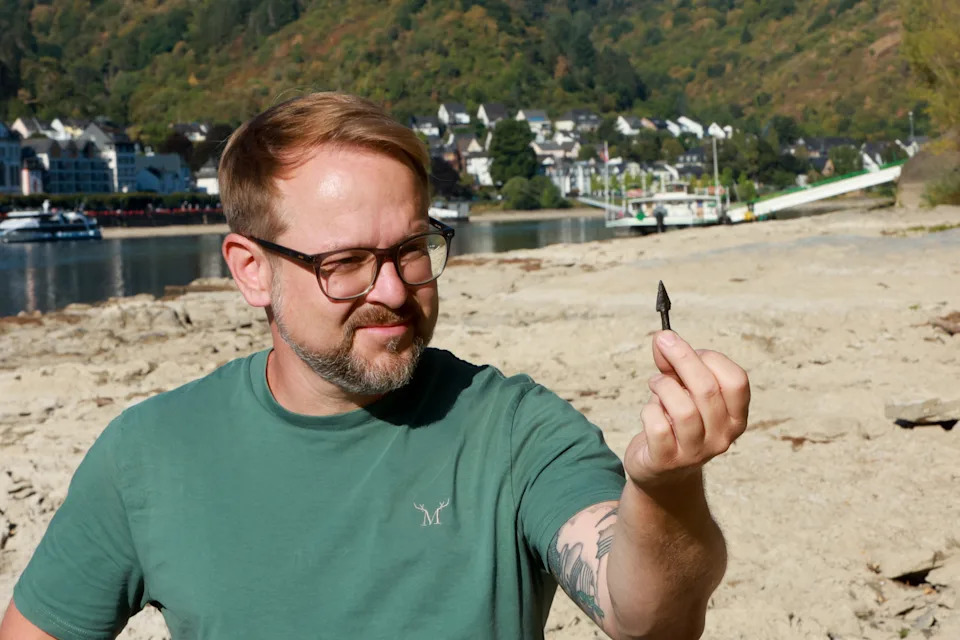
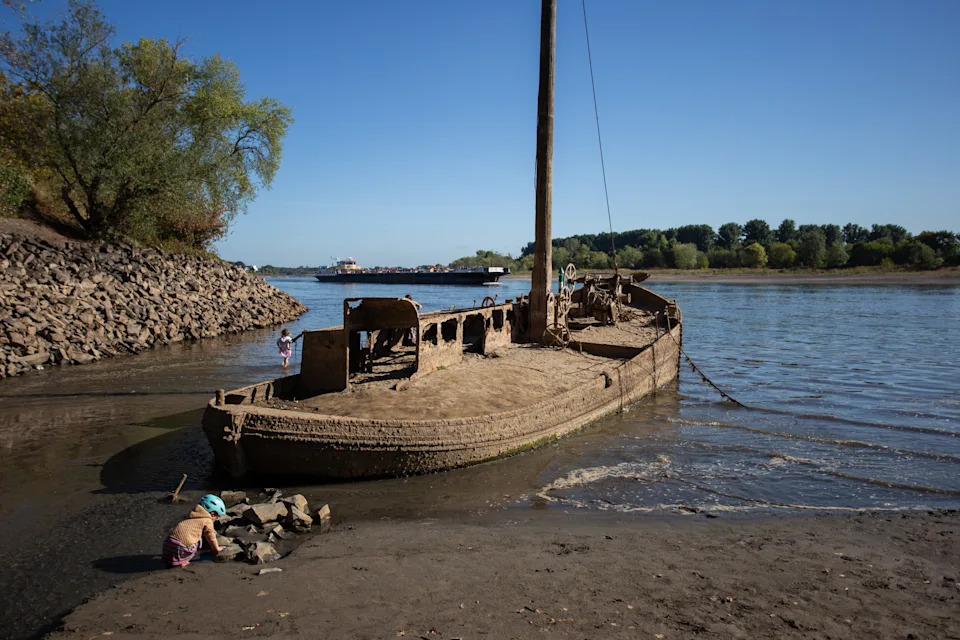
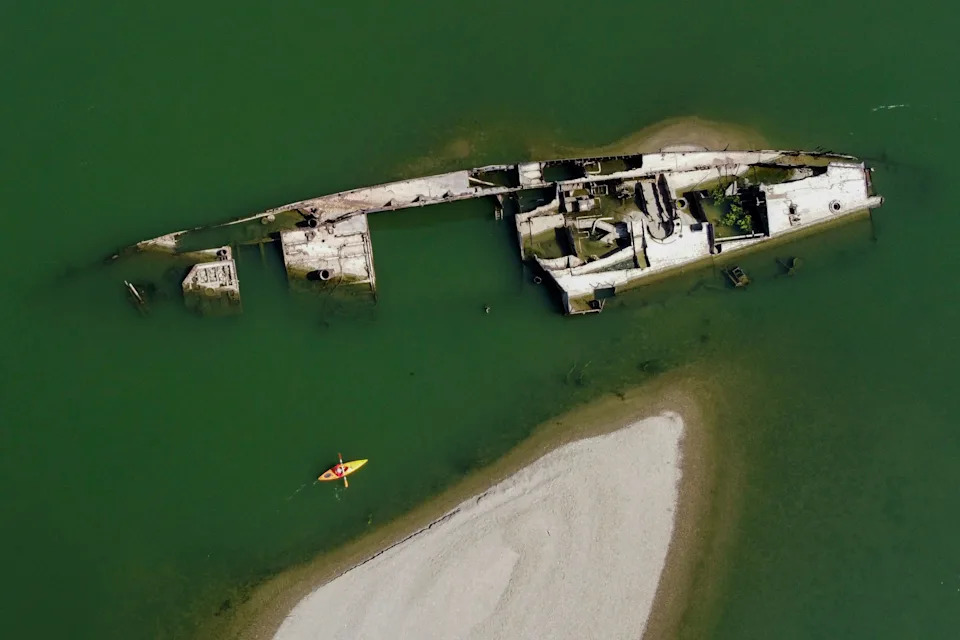
Across the Rhine and Danube, archaeologists and local observers have reported Bronze Age arrowheads, intact 20th-century eel boats, and multiple World War II–era and older shipwrecks resurfacing. Some sunken vessels are still hazardous: previous droughts have revealed German warships that remained armed with unexploded ordnance, underscoring both the historical value and the potential danger of such finds.
Economic And Environmental Consequences
Low river levels are more than an archaeological curiosity. Inland waterway freight across the EU fell about 3% in 2025 compared with 2024, according to Eurostat. Germany and the Netherlands together accounted for nearly 72% of the EU’s inland waterway transport in 2025, highlighting the regional economic impact. Analysts at Dutch bank ING estimate that Germany could lose roughly 0.3 percentage points of GDP growth this year because of constrained river transport — a hit that would amount to billions of euros.
Conservationists point to a combination of climate change and human river engineering as drivers of the crisis. Richard Lee of Wetlands International warned in an August 6 video that rising temperatures, dredging and draining practices have exacerbated declining water levels. Forecasts from the European Commission’s Joint Research Centre indicate warmer and drier-than-average conditions may persist into September, raising the prospect of continued exposure and transport disruption.
Race To Recover And Protect
Museum teams, archaeologists and local authorities are racing to document and recover exposed finds before fluctuating water levels either re-submerge them or leave them vulnerable to sun, air and theft. Conservators stress that proper recovery, stabilization and storage are essential to prevent irreversible damage.
While the drought has revealed remarkable glimpses into Europe's distant and recent past, experts warn the situation is a sobering illustration of how climate extremes intersect with cultural heritage, commerce and public safety.
Sem van der Wal / ANP / AFP via Getty Images
LYUBOSLAV YORDANOV/SLIVO POLE MU/Reuters
Christian Butt/picture alliance via Getty Images
Christian Butt/picture alliance via Getty Images
Hesham Elsherif/Anadolu via Getty Images
Darko Vojinovic/AP
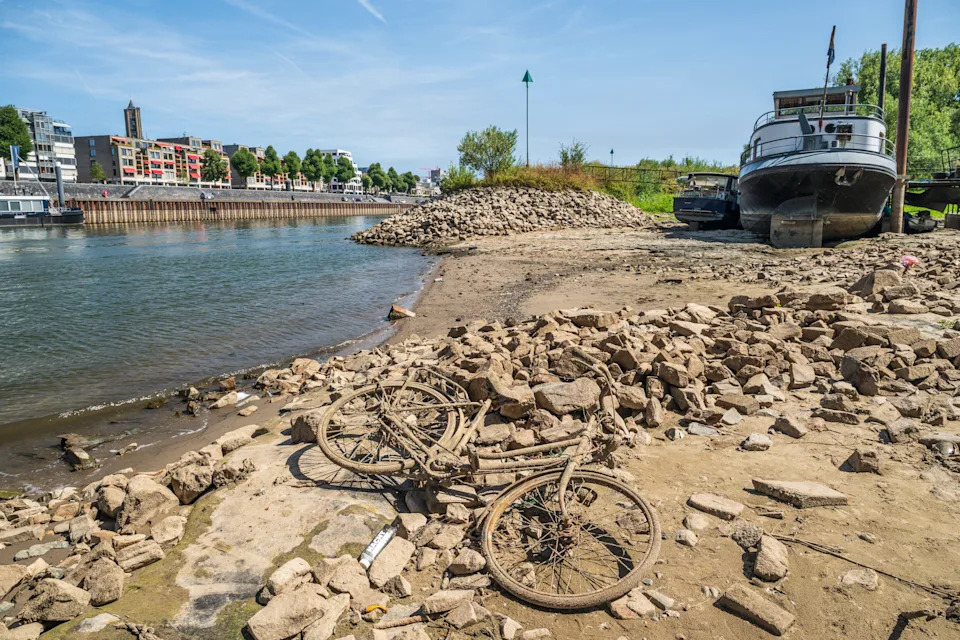
An old bike and a stranded houseboat lay on the banks of the Nederrijn River in Arnhem, Netherlands, on Aug. 11, 2026.Sjoerd van der Wal/Getty Images
Fabrice COFFRINI / AFP via Getty Images
Help us improve.