Illinois' House Bill 5097 (signed in 2024) requires DCFS to include a culturally competent hair care plan in foster case reviews. Oak Park nonprofit Styles 4 Kidz, founded by Tamekia Swint in 2010, provides workshops, salon services and advocacy to help caregivers meet this requirement. The group emphasizes the cultural and emotional importance of hair and seeks to promote healthy hair, self-esteem and cultural pride for foster children.
Oak Park Nonprofit Turns Illinois’ New Culturally Competent Hair-Care Law Into Real Support For Foster Youth
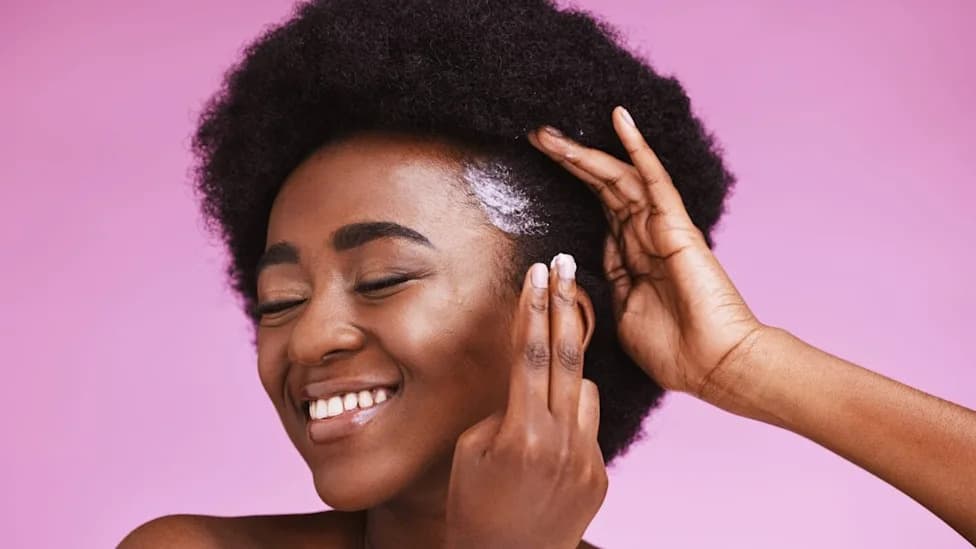
(Photo credit: Adobe Stock/Siphosethu F/peopleimages.com)
Illinois now requires the Department of Children and Family Services to account for culturally competent hair care in foster case reviews, and an Oak Park nonprofit is helping families put that requirement into practice.
What The Law Requires
House Bill 5097, sponsored by state Sen. Mike Simmons and signed in 2024, directs DCFS to include a hair care plan as part of case reviews. The plan is intended to identify training and resources so that children receive hair care that is culturally, gender- and religion-sensitive while promoting hair health.
How Styles 4 Kidz Is Helping
Founded in 2010 by Tamekia Swint, Styles 4 Kidz began by helping three Illinois families and has grown to support thousands nationwide. The Oak Park nonprofit focuses on children with textured hair in foster care, transracial adoptive families and biracial households.
- Hands-on Workshops: Parent and caregiver workshops that demonstrate practical techniques for braiding, twisting, moisturizing and maintaining textured hair.
- Salon Services: Professional styling and care tailored to children's needs and identities.
- Teen Workshops: Programs that build skills, confidence and cultural pride for older youth.
- Free Services in Group Homes: Complementary care for children living in group foster settings.
- Parent Advocacy Groups: Support for caregivers to navigate cultural differences and advocate for a child's hair-care needs.
'Haircare and hair styles are crucial forms of self-expression, identity, and connection to race, culture and ethnicity,' Senator Mike Simmons said when signing the legislation.
Why This Matters
Hair can be deeply connected to culture, identity and self-esteem — factors that matter for a child's sense of belonging, especially for Black children and others with textured hair. Styles 4 Kidz highlights a local disparity: Black children make up about 14% of the general child population but roughly 22% of children in foster care in Cook County, underlining why culturally competent care is important.
Beyond teaching styling techniques, the organization aims to foster self-esteem and cultural pride so that the law's protections translate into everyday care that respects children's identities (reporting by ABC 7 Chicago).
Practical Takeaways For Caregivers
Caregivers can look for local workshops, ask DCFS caseworkers about a hair care plan during reviews, and connect with community organizations like Styles 4 Kidz to learn culturally competent techniques and advocacy strategies.
Help us improve.