Young Black boys and men across the U.S. are increasingly providing intensive family care — often invisibly and without the label "youth caregiver." This work can harm education, mental health and finances, and Black caregivers shoulder disproportionate costs. Experts and advocates call for culturally tailored supports, better school recognition, and policy protections for Medicaid and caregiver funding. Community programs like Bridge Youth and initiatives such as We Rise Loud aim to train, support and amplify these young caregivers.
Young Black Men and Boys Are Quietly Shouldering a Hidden Caregiving Crisis
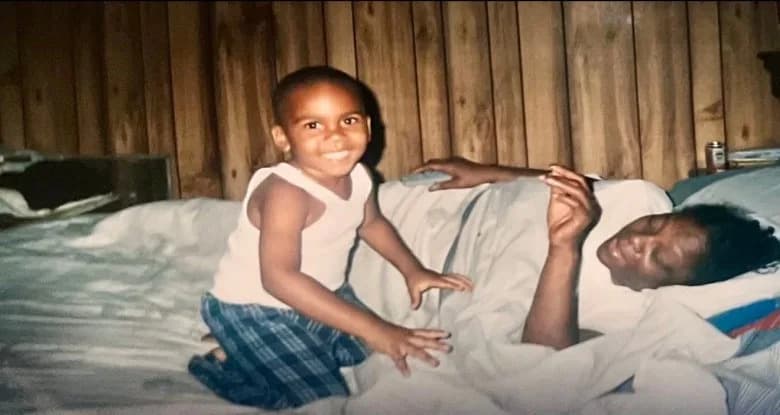
Omarion Calloway spends time with his grandmother Alma Jean Calloway. By the time he was 10, he was bathing his grandmother and managing her oxygen tubes. (Courtesy of Jared Calloway)
By the time he was 10, Omarion Calloway was bathing his grandmother and managing oxygen equipment. By his teens he was lifting and repositioning a paralyzed uncle and preparing meals for the household. Calloway, now a 23-year-old New York University student, represents a growing but often invisible group: Black boys and young men who provide intensive family caregiving.
Hidden Work, Heavy Consequences
Millions of children and adolescents in the United States — an estimated 5.4 million — provide regular care to family members. Many of these young people do not identify with the label "youth caregiver;" they see themselves as dutiful sons, grandsons or siblings. Yet the demands of caregiving can affect school performance, social life and mental health, and can create acute financial strain for households.
Voices From the Front Lines
Calloway and others, including the Battle brothers from Nashville and members of the Easter family in Texas, describe round-the-clock responsibilities: administering insulin, cooking daily meals, assisting with bathing and other intimate care tasks, and helping with medical equipment. These duties intensified during the COVID-19 pandemic, when young Black and Brown caregivers often stepped in to fill gaps in strained health systems.
"I should not have had to do that, especially at a young age," Calloway says. "No child should ever have to carry adult responsibilities at that age."
Why This Work Is Overlooked
Part of the invisibility stems from cultural expectations and a lack of role models. Many young Black men report never seeing public examples of men performing intimate caregiving work; they learned on the job or by following practices modeled by women in their families. Researchers and advocates also say that mainstream support services and school staff often fail to recognize or respond to culturally specific needs.
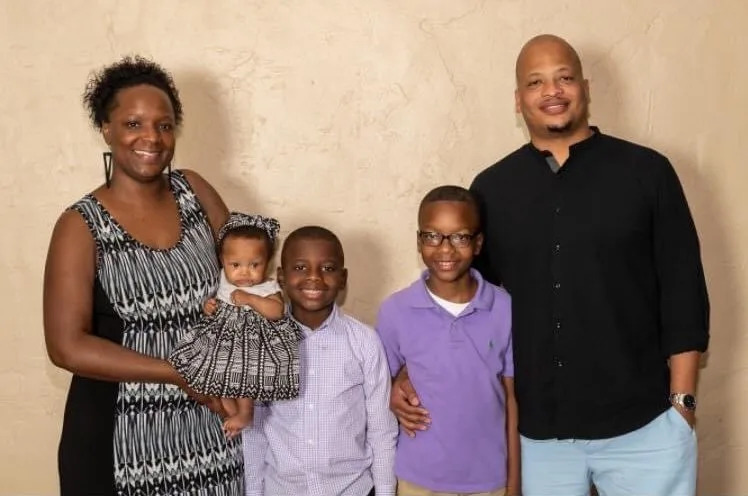
Cristen, Riley, Reece, Ryan, Carlton Battle. (Courtesy of Cristen Battle)
Basir Raheem Easter, founder of the dementia advocacy group Melanin Minded LLC, has documented how Black communities shoulder a disproportionate share of care for people with Alzheimer’s and related dementias. He and other advocates argue that culturally tailored supports — such as faith-based groups and community-centered programs — are essential to meet the emotional and practical needs of Black youth caregivers.
Impact on School and Mental Health
When teachers and counselors are unaware of students' caregiving responsibilities, signs like falling asleep in class, missed assignments, or frequent phone use can be misread as laziness or misconduct. For Black boys, this misinterpretation can have serious consequences — limiting adult advocacy and increasing the risk of punitive school discipline that contributes to the school-to-prison pipeline.
Research links youth caregiving to higher rates of depression, anxiety, bullying, and self-harm compared with peers who do not provide care. The Battle brothers report chronic anxiety and turn to sports for relief; others have missed social milestones and suffered declines in academic performance.
Financial Strain and Policy Stakes
Beyond emotional stress, Black caregivers face heavier financial burdens. A 2025 report from the National Alliance for Caregiving and AARP found that Black caregivers spend more than 34% of their annual income on caregiving-related expenses, compared with about 14% for white caregivers. Younger caregivers and Black families are also more likely to experience food insecurity and difficulty paying household bills.
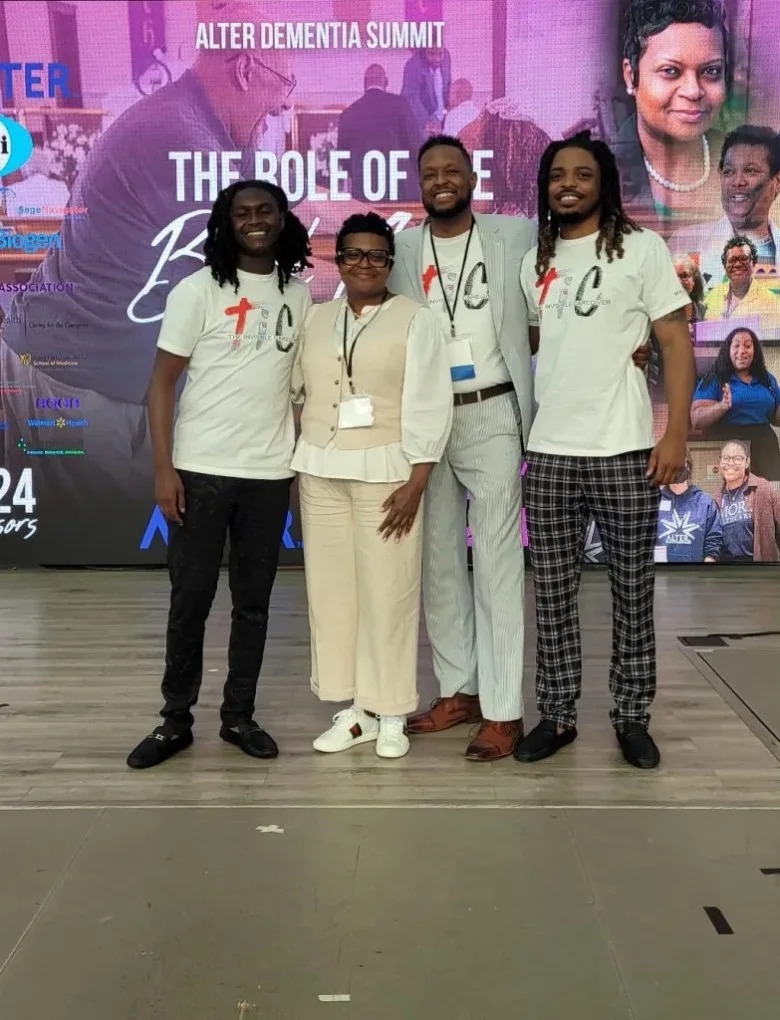
The Easter family. Basir Raheem Easter said Black youth caregivers experience significant stress, yet traditional support groups don't address their cultural needs. (Courtesy of the Easter family)
Advocates warn that proposed cuts to public programs — including steep Medicaid reductions included in some policy proposals — would disproportionately harm families that rely on paid caregiving and safety-net services.
From Survival to Advocacy
Despite these challenges, many young Black male caregivers are organizing and building support systems. Calloway has produced a documentary for his senior thesis and is developing We Rise Loud, a digital platform to share caregiver stories and help youth access scholarships. Jaden Easter and his father launched the Bridge Youth program in 2020 to provide age-appropriate, culturally informed training for adolescents caring for people with dementia, plus academic and employment guidance.
These grassroots efforts aim to make caregiving visible, validate young people's experiences, and create pathways to resources and opportunities that recognize caregiving as a skill and a responsibility with long-term consequences.
What Experts Recommend
- Improve school awareness: train teachers and counselors to identify caregiving students and connect them to supports.
- Expand culturally tailored services: partner with churches and community groups to reach Black and Latino youth caregivers.
- Strengthen policy protections: preserve Medicaid and expand caregiver supports and funding targeted to families in need.
- Create youth-focused programs: provide training, mental health services, academic support and pathways to employment for young caregivers.
As Calloway puts it, caregiving taught him resilience and purpose: "Whatever I thought was drowning me, it actually taught me to swim." Advocates say the next step is ensuring that society recognizes this work and provides supports so young caregivers can thrive, not just survive.
Help us improve.