The Mayo Clinic analyzed stool from 1,364 cancer patients and identified distinct gut microbiome signatures tied to five major cancer groups. Early-onset colorectal cancer was associated with higher lactate and greater abundance of Veillonella parvula, while early-onset breast cancer showed shifts across 64 bacterial species and lower primary bile acids. The microbiome also correlated with risk of diarrhea after 5-FU chemotherapy and with survival outcomes in several cancers, though the authors stress that results require validation in larger, diverse cohorts.
Mayo Clinic Study Links Distinct Gut Microbiome Signatures to Five Cancer Groups — Potential Biomarkers for Early-Onset Tumors and Treatment Side Effects
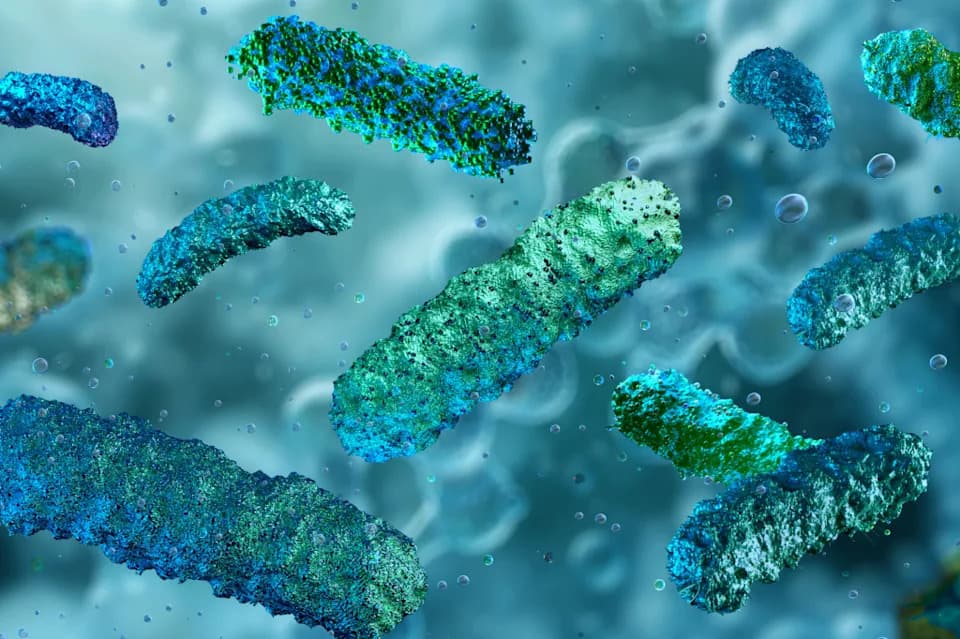
An illustration of Lactobacillus bifidobacterium, a beneficial bacteria for gut health.
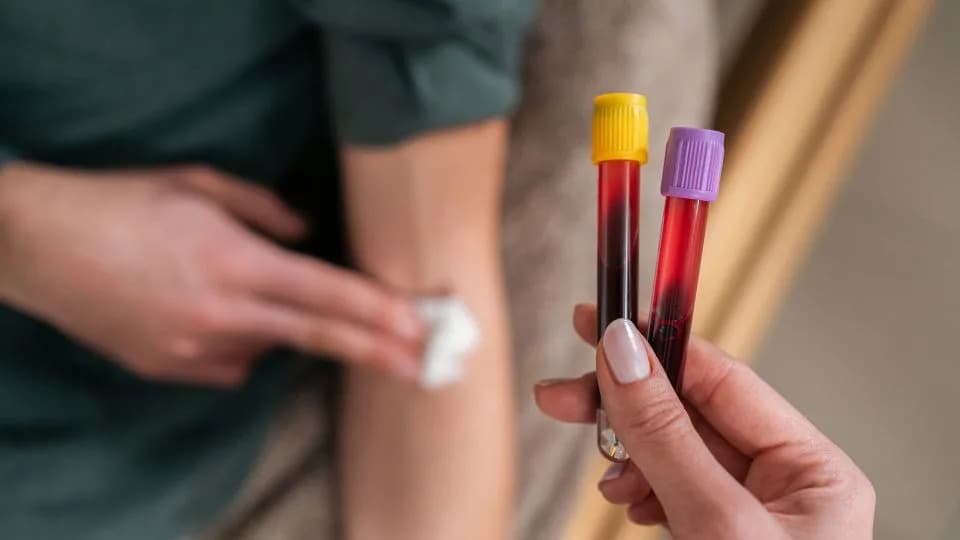
Researchers from the Mayo Clinic analyzed stool samples from 1,364 cancer patients across a wide range of tumor types, stages and treatments, revealing distinct gut microbiome patterns associated with different cancers. The results, published in Cell from the Mayo Clinic Cancer Microbiome Cohort, identify candidate microbial signatures that could inform future diagnostics, risk stratification and studies of treatment tolerance.
Key Findings
Distinct Microbiome Signatures by Cancer Group
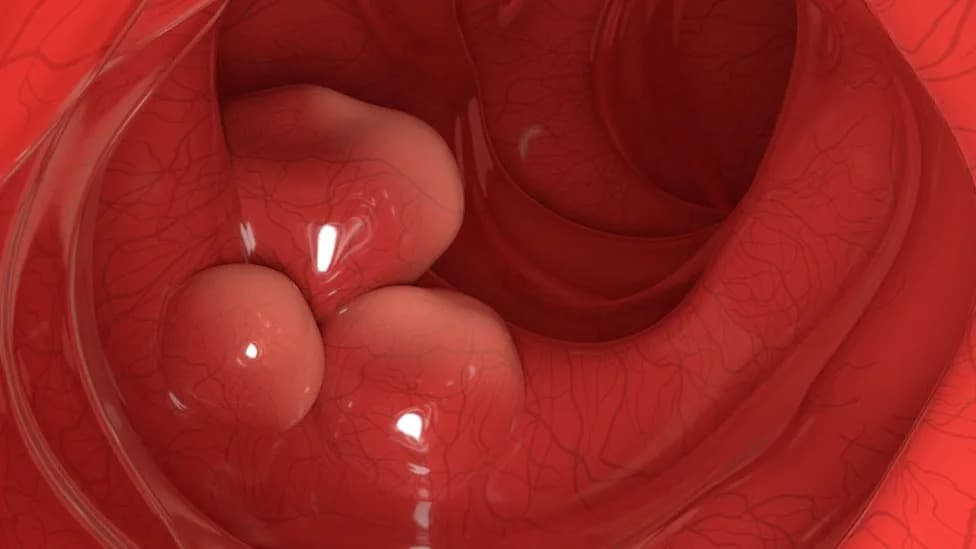
After adjusting for comorbidities, investigators linked 341 bacterial species to five major cancer groups. Specific patterns included a loss of beneficial gut bacteria in patients with neuroendocrine tumors and elevated levels of microbes such as Enterococcus faecalis in liver and intrahepatic bile duct cancers. Unique signatures were also observed in esophageal cancer, lymphoid leukemia and multiple myeloma.
Early-Onset Colorectal and Breast Cancer
One notable result involved early-onset colorectal and breast cancers (diagnosed at age 50 or younger). Younger colorectal cancer patients had higher levels of lactate and greater abundance of the lactate-consuming bacterium Veillonella parvula. Younger breast cancer patients showed shifts across 64 bacterial species and reduced levels of primary bile acids.
We observed distinct changes in microbes and metabolites in early-onset breast and colorectal cancers, but not in brain cancer — Purna C. Kashyap, M.B.B.S., Mayo Clinic.
The authors emphasize these associations do not explain why rates of early-onset breast and colorectal cancer are rising, but they offer candidate biomarkers and mechanistic leads for further validation.
Microbiome and Treatment Side Effects
The study also linked microbiome features to chemotherapy toxicity. Among patients treated with the chemotherapy 5-fluorouracil (5-FU), those who later developed diarrhea tended to have lower baseline levels of bacterial genes capable of metabolizing the drug. This association was not observed for patients treated with carboplatin. These data raise the possibility that microbiome-based tests could one day help predict which patients are at higher risk for specific adverse events.
Importantly, we found a microbiome connection with side effects from one chemotherapy drug — intravenous 5-fluorouracil — but not from all chemotherapy drugs. Larger, diverse cohorts are needed for validation — Ruben Mars, Ph.D., Mayo Clinic.
Survival Associations
Researchers identified gut bacteria correlated with survival outcomes in colorectal, liver and intrahepatic bile duct, ovarian and prostate cancers, as well as melanoma. While intriguing, these correlations require prospective testing to determine whether microbial differences are causal, contributory or simply markers of underlying disease biology.
What This Means and Next Steps
The findings provide a rich resource of candidate microbial biomarkers and mechanistic hypotheses. The authors call for validation in larger, independent and more diverse cohorts, plus preclinical studies to test causality. If validated, microbiome-informed tests or interventions could eventually complement existing cancer diagnostics and supportive-care strategies.
Study citation: Yang, L., Singh, V., Gawey, B.J., Sinnwell, J.P., Johnson, S., Billings, E.C., Van Gorp, T.M., Harrington, J.J., Slama, M.Q., Till, L.M., Singh, M., Samineni, T.R., Zhu, M., Kalari, K.R., Farrugia, G., Chen, J., Mars, R.A.T. and Kashyap, P.C. (2026). Microbiome signatures linked to cancer and treatment adverse events in a real-world cohort. Cell. doi:10.1016/j.cell.2026.09.009.
Help us improve.