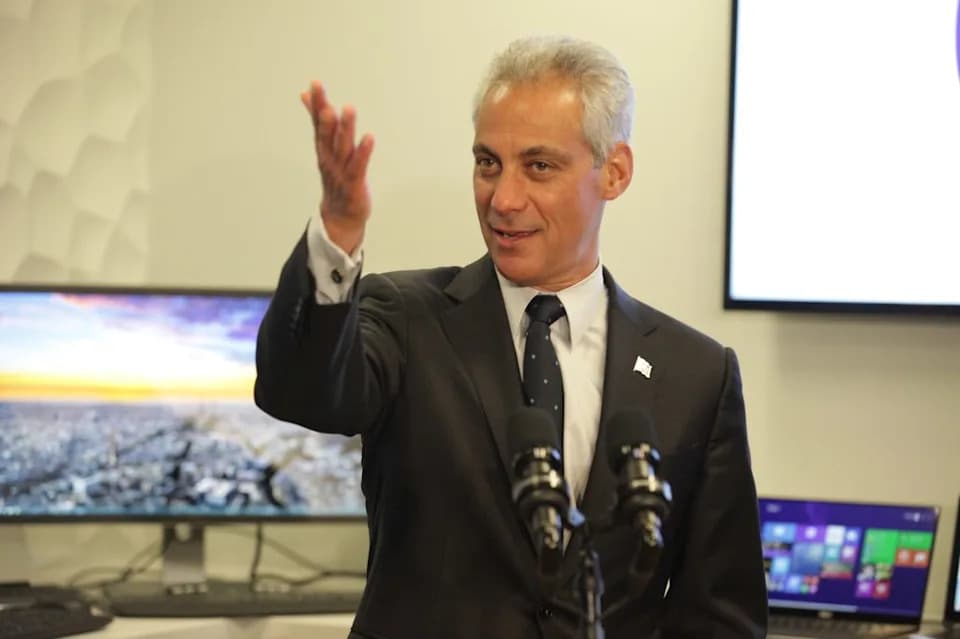
Phones rose across the room as Chris Rabb stepped forward. It was the second day of the Democratic Socialists of America’s national summit in Chicago, and Rabb had just come off an upset victory that helped kick off the movement’s summer winning streak, defeating party-backed rivals in a Democratic congressional primary outside Philadelphia.
Activists in red shirts edged forward for selfies. Some wore the DSA rose; others sported shirts with slogans about ICE or Gaza. "All right, comrades," Rabb said with a satisfied grin, using the group's customary salutation. He asked whether anyone in the room was actually from his district. A handful of hands went up. For everyone else, Rabb said, he intended to be their "bonus rep" — an extra vote and voice for causes the group has pushed from the margins of Democratic politics toward the national debate.
A Moment of Momentum
At 56, Rabb was among the older attendees, and he told the crowd what he thinks is happening: "As someone who's been around the block a few times, I've never, ever felt this level of electricity. Do not take this for granted. Do not let people try to gaslight you and tell you you do not have power." The room erupted.
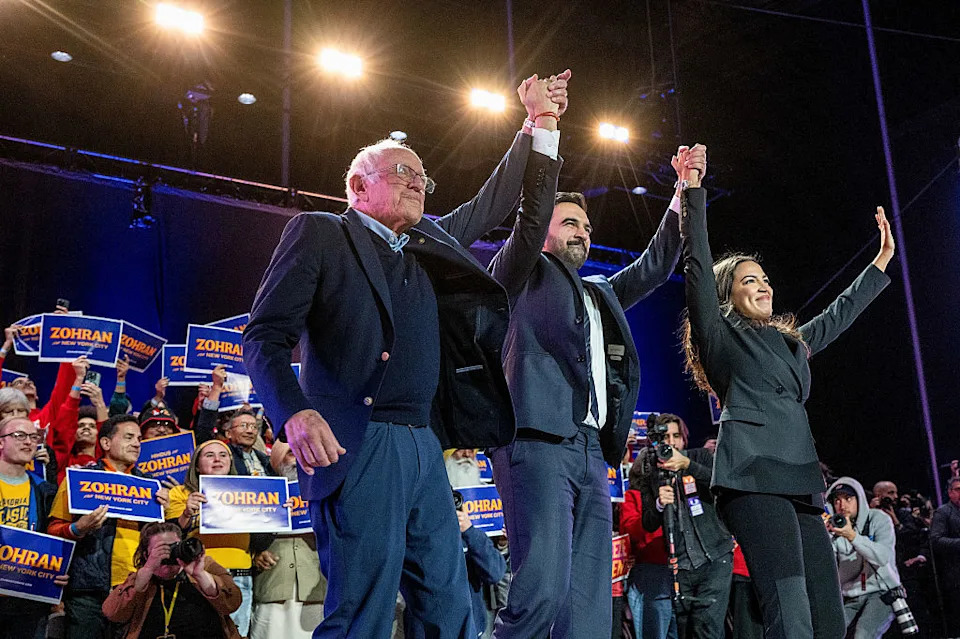
There is reason for confidence. By early August, Republicans had mockingly dubbed the moment the "Summer of Socialism" as the DSA's membership surged past 120,000. Candidates and allied progressives backed by the organization toppled establishment Democrats in primaries from New York to Colorado to Florida. Zohran Mamdani — a longtime DSA member — won in New York and is widely credited with translating socialist ideas into a winning municipal agenda. Other cities saw socialists capture or compete strongly for mayoralties, and roughly 600 democratic socialists gathered in Chicago that weekend.
From left, Bernie Sanders, Zohran Mamdani, and Alexandria Ocasio-Cortez campaign on Oct. 26, 2025 —Victor J. Blue—Bloomberg via Getty Images
Wins, Limits, And Surprises
The movement's reach has been uneven. Less than two weeks after the summit, Wisconsin offered a cautionary tale: State legislator Francesca Hong narrowly lost the Democratic primary for governor amid scrutiny of past statements she has since renounced. To some establishment Democrats, Hong's defeat suggested the DSA's appeal is strongest in safely Democratic areas rather than swing regions. "We aren't seeing DSA win in places that are core to winning the majority," former DNC chair Jaime Harrison said.
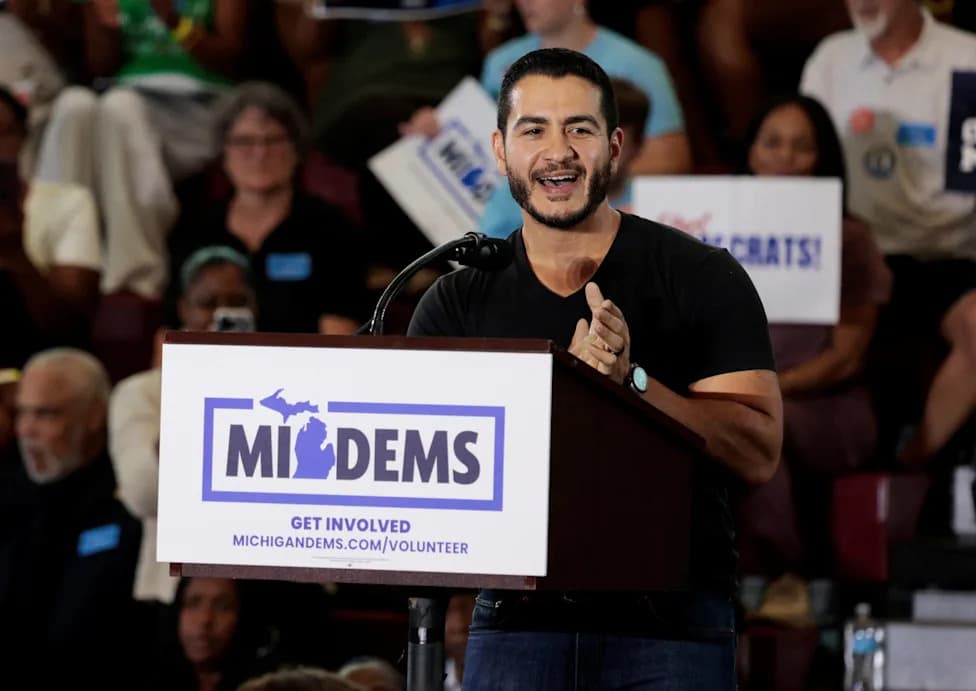
Yet surprises complicate that narrative. In Florida, DSA member Angie Nixon upset establishment favorite Alex Vindman for a U.S. Senate primary despite being outraised by more than 16-to-1. And Abdul El-Sayed won Michigan's Democratic Senate primary with support from prominent socialists and a platform closely aligned with DSA ideas, though he told TIME he does not claim the movement's mantle.
Platform, Politics, And Perception
DSA brings the Democratic Party what it often lacks: volunteers, disciplined organizers, sustained enthusiasm and a message that connects with the economic anxieties of younger voters. A CNN poll released July 30 found roughly one in three Democrats and Democratic-leaning voters now identify as democratic socialists.
But the national DSA platform includes proposals many voters and rival politicians consider radical: abolishing the Senate, dismantling ICE, eliminating police and prisons, closing overseas military bases, and moving large corporations under public ownership. Republicans are eager to tar Democrats with these positions, and some moderate Democrats are working to distance themselves: centrist groups like Third Way are preparing substantial efforts to discredit democratic socialism ahead of 2028.
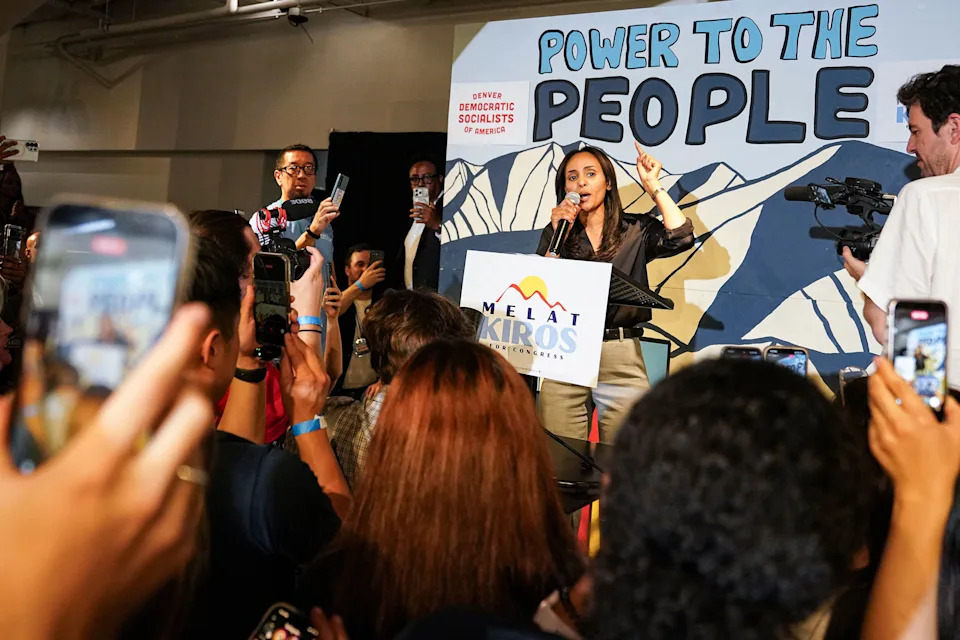
Melat Kiros won the Democratic nomination for Colorado's first congressional district in June —Rebecca Slezak—AP
Internal Debate And Strategy
The movement is also wrestling with internal tensions. Some members advocate uncompromising ideological purity and even formation of a separate party; others favor a pragmatic approach of running inside the Democratic Party to win seats and enact policy. That debate shows up in specifics: at a June meeting the National Political Committee narrowly voted to add support for abolishing the Senate to the platform — a sign how far some activists are willing to go.
Leaders such as national co-chair Ashik Siddique argue victories have strengthened pragmatists. "We're bringing a meaningfully different style and substance to politics," Siddique said. "We're proving it works, and it's raising everyone's expectations." For many members, the priority is practical: elect officials who can pass tenant protections, strengthen labor rights, lower housing costs and reshape foreign-policy priorities.
The Road Ahead: Congress And 2028
If DSA-backed nominees win in November, the group's small congressional delegation could coalesce into a voting bloc that matters in a narrowly divided House. Even a handful of seats can swing close votes on funding for Israel, appropriations, or avoiding a government shutdown — matters Hakeem Jeffries, if he becomes Speaker, could find himself negotiating.
Looking to 2028, Alexandria Ocasio-Cortez is often discussed as a potential standard-bearer. Many DSA leaders say they would be likely to endorse her if she runs, though the national organization declined to renew its endorsement in 2024 after disagreements about Israel policy. A presidential campaign would force the movement to confront the compromises of national politics and the tension between ideological fidelity and broad electability.
"Electoral politics will not save us," Rabb said in Chicago. "It's only a component of collective liberation. You're never going to hear me saying voting is all that matters."
Whether the DSA can convert local and primary wins into sustainable governing power — without alienating key voters or splintering internally — will shape not only the Democratic Party but the broader conversation about economic policy, immigration and America's role overseas.