Prime Minister Andy Burnham must soon rule on two contested North Sea projects: the largely ready Jackdaw gas field and the more distant Rosebank oil field. Previous approvals were overturned for failing to consider indirect (Scope 3) emissions, so both projects must reapply with updated assessments. Experts say Jackdaw could modestly reduce LNG imports and help with winter supply, but any meaningful impact on household bills or emissions will be limited without targeted government measures. The decision highlights a split in Labour between energy security and the party’s net-zero pledge.
Burnham’s North Sea Test: Decision on Jackdaw Gas and Rosebank Oil Puts Climate Pledge Under Pressure

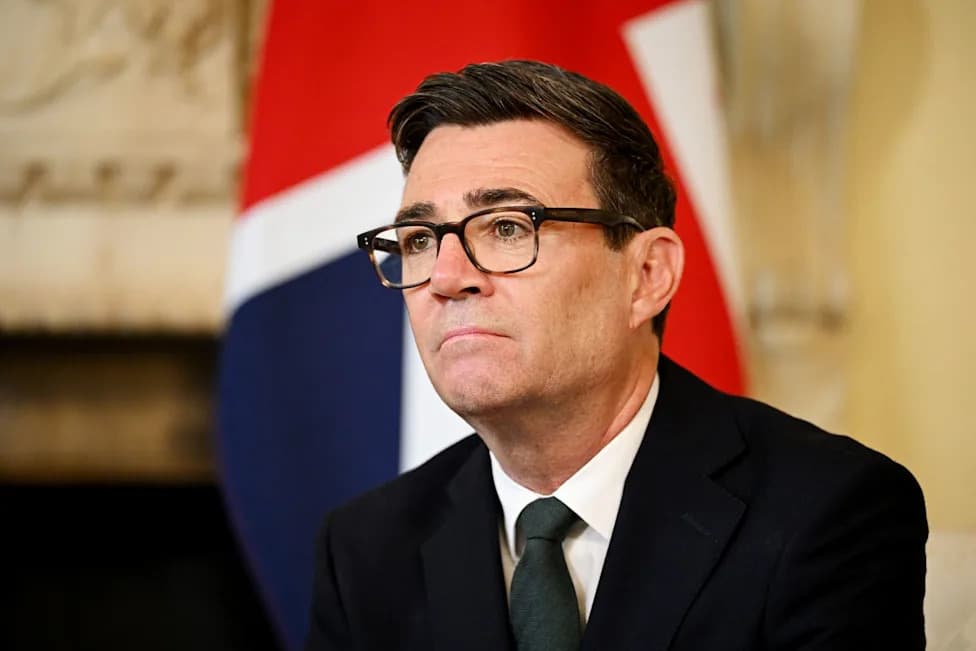
Labour pledged before coming to power in 2024 that it would not approve any new drilling licences in the North Sea (ANDY BUCHANAN)
British Prime Minister Andy Burnham must soon decide whether to approve two contested North Sea developments — the Jackdaw gas field and the Rosebank oil field — a decision that has exposed divisions within his Labour Party and could define his government’s approach to energy and climate policy.
What Are The Projects?
Jackdaw is a gas field located east of the port of Aberdeen. It already has infrastructure in place and, according to industry analysts, could begin supplying gas within months if approved. Rosebank, an oil field west of the Shetland Islands, requires more development and a longer lead time before it could produce.
Both projects were originally approved by the previous Conservative government (Jackdaw in 2022 and Rosebank in 2023) but were challenged in court. A Scottish court found those approvals inadequate for failing to account for the indirect carbon emissions the projects could generate, requiring the developers to reapply with updated assessments.
Adura — the joint venture created when Shell’s UK offshore arm combined with Equinor’s operations — is the sole owner of Jackdaw and the majority owner of Rosebank.
Why This Is Political
Labour campaigned in 2024 promising not to approve new North Sea drilling licences. Since taking office, Burnham has signalled a pragmatic stance that Britain "can't ignore" domestic oil and gas resources. The choice pits short-term concerns about energy security, jobs and affordability against the party’s commitment to reaching net zero emissions.
Within Labour, some MPs and members emphasise the benefits of securing supply and protecting jobs, while others stress the need to uphold climate commitments. The issue has also attracted pressure from opposition politicians and international figures calling for increased fossil fuel production.
Will It Lower Household Energy Bills?
Experts say increased UK production could reduce reliance on imported liquefied natural gas (LNG) and help with supply at peak times. Matt Cooper of Rystad Energy noted Jackdaw could be online in time for the winter season if authorised.
However, the practical effect on prices is likely to be limited. UK gas and electricity prices are heavily influenced by global markets and the marginal cost of gas-fired generation. James Reid of Wood Mackenzie says Jackdaw could reduce some LNG imports, but the volumes involved are modest relative to international markets — so consumers would only see substantial savings if domestic gas displaced higher-cost imports at scale.
Analysts also say government policy would need to redirect a portion of any additional industry revenues to produce meaningful relief for households or to fund clean-energy investments.
Environmental Impacts
If overall UK consumption of oil and gas does not rise, bringing these fields into production would have a limited effect on national emissions. In some cases, replacing LNG imports with domestic gas can lower lifecycle emissions because liquefaction, shipping and regasification add extra carbon compared with North Sea production.
Environmental groups counter that expanding fossil-fuel output risks locking in demand and delaying the transition to low-carbon alternatives. Under UK law, developers must account for downstream (Scope 3) emissions when seeking approvals, which is why both projects must resubmit environmental impact assessments that include those indirect emissions.
What Comes Next
The government will weigh legal obligations, economic arguments and political consequences before reaching a decision. Whichever way Burnham rules, the choice will send a clear signal about how the UK balances near-term energy security with its long-term climate commitments.
Help us improve.