Warming waters and retreating pack ice off East Greenland have opened new feeding grounds, attracting unprecedented numbers of humpback, fin, and minke whales. A comprehensive study using aerial surveys, satellite tags, historical ship records and Inuit knowledge documents a rapid rise in sightings — from none before 2006 to thousands of whales entering the Greenland Sea in summer 2024. The migration follows capelin moving northwest as thermal boundaries shift, creating mixed-species feeding aggregations while threatening ice-dependent Arctic fauna and challenging static conservation boundaries.
How Warming Waters Are Driving Massive Whale ‘Feeding Frenzies’ Off East Greenland
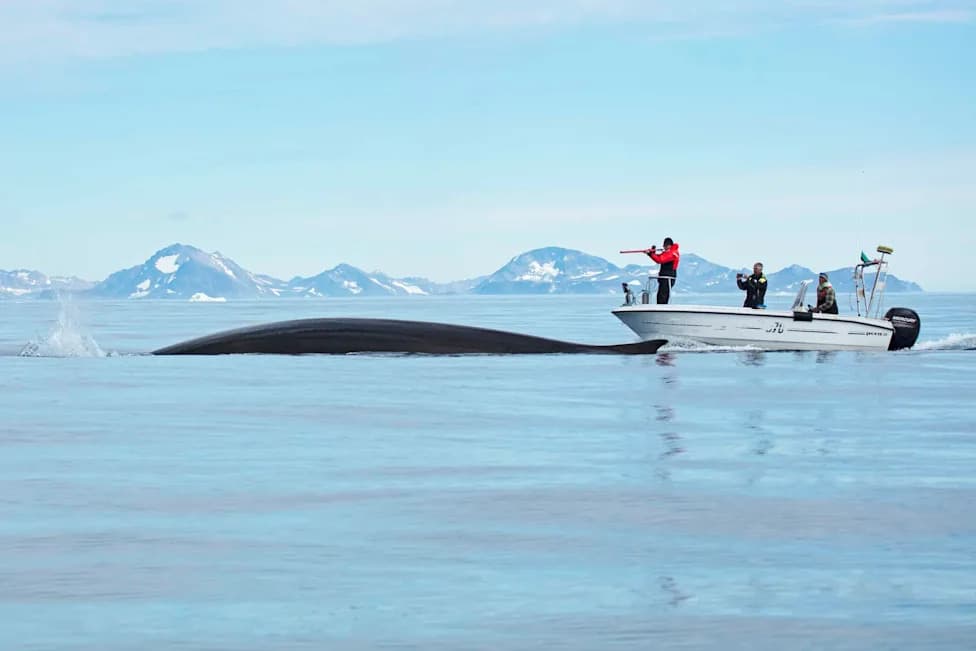
© Fernando Ugarte
When climate change is discussed, the conversation often focuses on species declines, habitat loss, and collapsing ecosystems. Yet marine systems sometimes reveal surprising, complex responses. Off East Greenland, warming seas and shrinking pack ice have opened vast new feeding areas that are now attracting unprecedented numbers of baleen whales.
A Rapid Ecological Reorganization
A landmark study published in Frontiers in Marine Science, led by Prof. Mads Peter Heide-Jørgensen of the Greenland Institute of Natural Resources, synthesizes airborne surveys (2015–2024), satellite telemetry, historical shipboard sightings back to 1987, and Indigenous Inuit knowledge. The combined evidence points to a rapid, sustained migration of fin whales, humpbacks and common minke whales into East Greenland waters — a change that amounts to an ecological regime shift rather than a simple range extension.
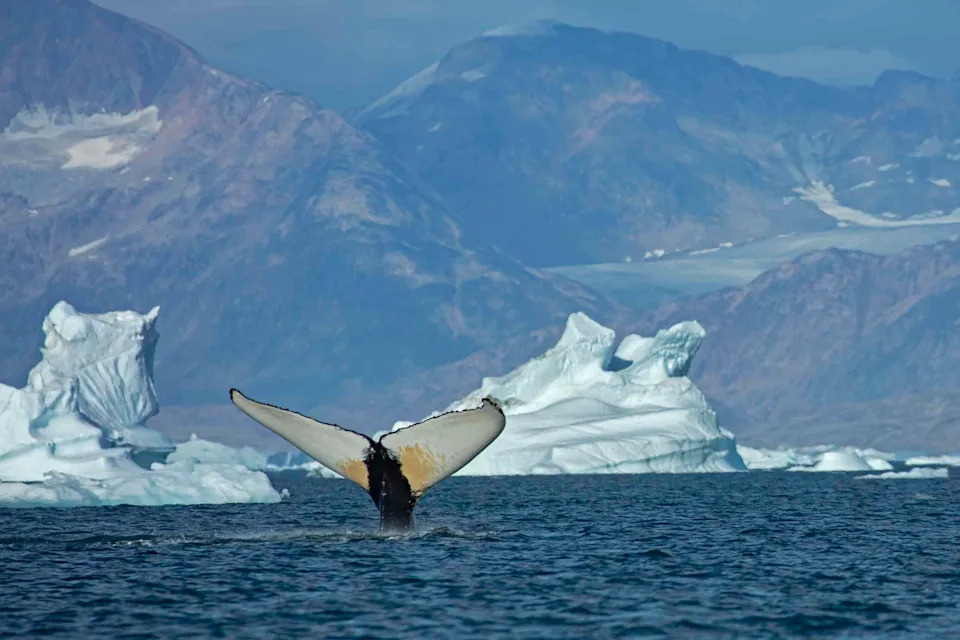
Humpback whale in Greenland Sea©Fernando Ugarte
From Rare Sightings To Massive Aggregations
For decades the East Greenland coast north of 60°N was dominated by dense pack ice and near-freezing water, conditions that typically exclude temperate baleen whales. Ship records show zero humpback sightings in these waters before 2006, seven in 2007, 26 by 2015, and more than 150 in 2024. Encounters with common minke whales were nearly absent until the late 1990s but have been consistently recorded since 2001. By August 2025, some crews reported mixed-species feeding groups of up to 50 whales near 69°N.
Researchers estimate that during summer 2024 roughly 4,000 humpbacks, 6,000 fin whales, and 4,500 minke whales entered the Greenland Sea, producing dense, mixed-species "feeding frenzies" previously unseen at these latitudes.
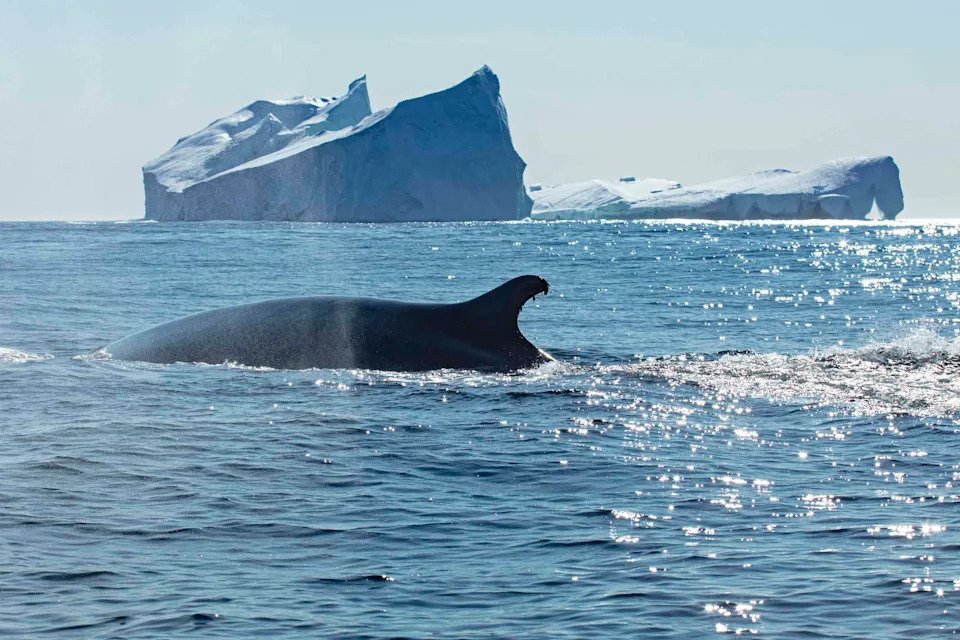
Fin whale in the Greenland Sea©Fernando Ugarte
What’s Driving The Surge: The Capelin Connection
The proximate cause is the capelin, a small, lipid-rich forage fish that is a keystone prey species across North Atlantic food webs. As summer sea surface temperatures east of Greenland have increased by roughly 2°C since the 1990s and pack ice has retreated, capelin shifted northwest from warming areas north of Iceland into the newly accessible Greenland Sea. Baleen whales tracked this prey movement, concentrating where capelin density and nutrient conditions are favorable.
“A modest-sounding temperature rise in polar seas can mean the difference between a locked ice cover and an open-water feeding ground,” the study authors note, underscoring how quickly Arctic marine geography can reorganize.
Winners, Losers, And Management Challenges
For many recovering baleen populations — still rebounding from 20th-century commercial whaling — access to abundant new feeding grounds is an immediate benefit. There are currently no commercial capelin fisheries operating in this part of the Greenland Sea, reducing direct human competition for now.
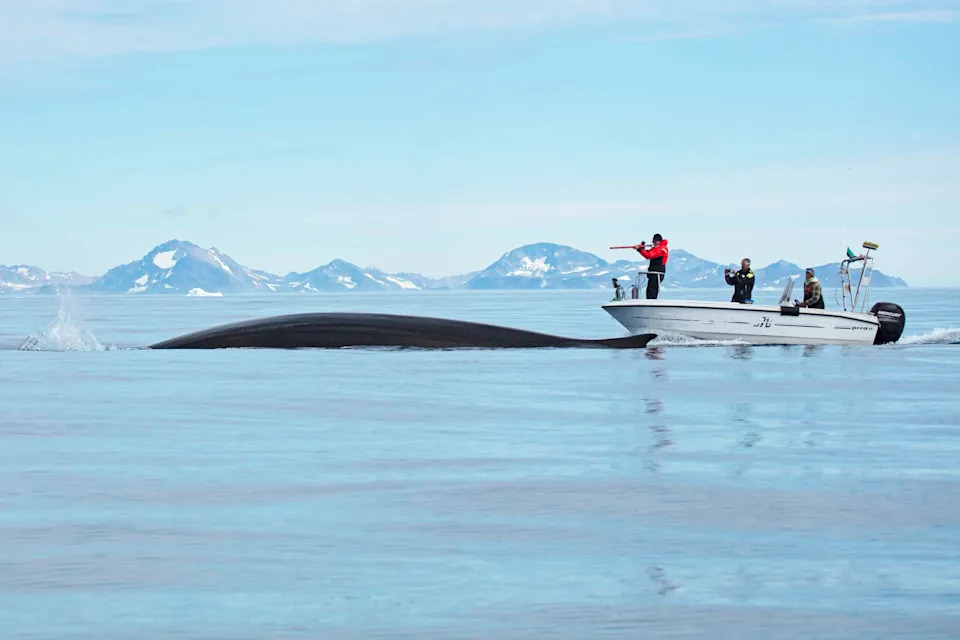
Satellite tagging a fin whale©Fernando Ugarte
However, this influx poses risks to ice-associated Arctic species such as narwhals, bowhead whales, and ringed seals. Loss of sea ice removes refuge and breeding platforms for ice-dependent fauna, while thousands of large baleen whales consuming metric tons of forage fish daily add new competition into ecosystems historically characterized by lower predator density. Inuit hunters along the coast have already reported changes in the availability and locations of traditional game.
These shifts also challenge static conservation tools: Marine protected areas and management plans designed around fixed geographic boundaries may no longer align with rapidly shifting distributions of prey and predators.
What Comes Next?
As ocean warming continues to reshape Arctic habitats, scientists and managers will need adaptive, dynamic approaches that integrate ongoing monitoring, traditional ecological knowledge, and flexible protection measures. The arrival of vast baleen aggregations off East Greenland is both a striking example of ecological resilience and a warning sign of how quickly polar environments are changing — with complex consequences for native species and coastal communities.
Photo credits: Fernando Ugarte (as cited in original report).
Help us improve.