Dr. Sylvia Earle — a pioneering oceanographer who once lived underwater for seven months — is campaigning to restore public trust in submersibles and to protect the oceans. Her company, DOER Marine, developed the Honu submersible (3 passengers, 1,000 m, 8‑hour dives), with a maiden voyage planned in French Polynesia. Earle warns that only ~0.0001% of the deep ocean has been observed, about half of coral reefs are lost, and just ~3% of the ocean is protected; she calls for rigorous regulation, exploration and conservation.
Sylvia Earle Warns: Protect the Oceans — New Submersibles and Urgent Conservation Needed
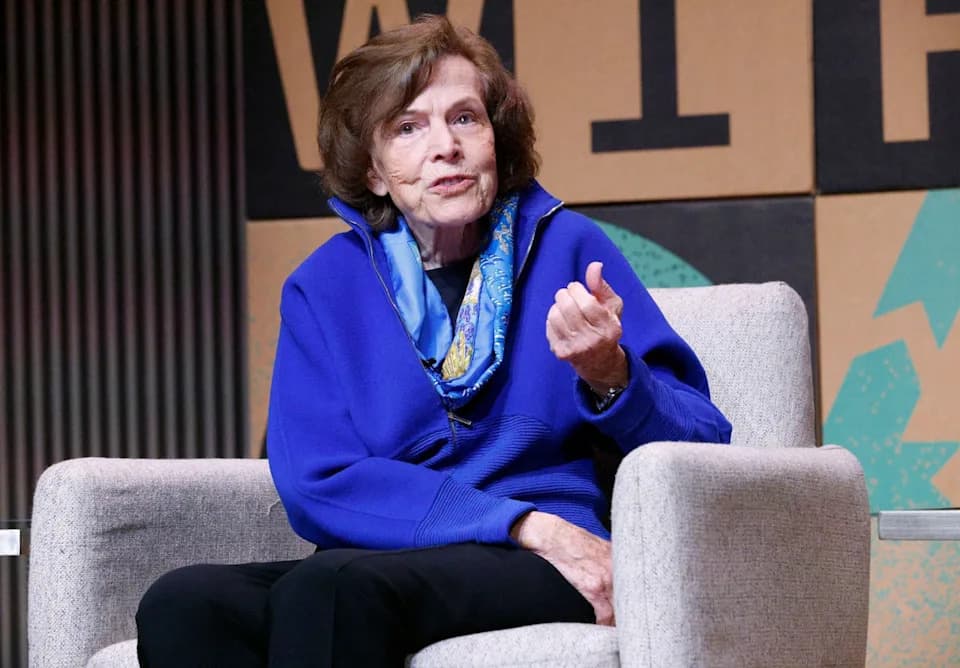
Dr. Sylvia Earle has been a leader in ocean conservation for decades. She says it's never too late to dive in (Getty)
When many people think of modern submersibles they picture the 2023 Titan disaster: a catastrophic implosion about 3,500 meters below the Atlantic during an attempt to reach the Titanic wreck, which killed all five people aboard. That tragedy dented public confidence in deep‑diving tourism, prompted a U.S. Coast Guard investigation and contributed to OceanGate suspending operations.
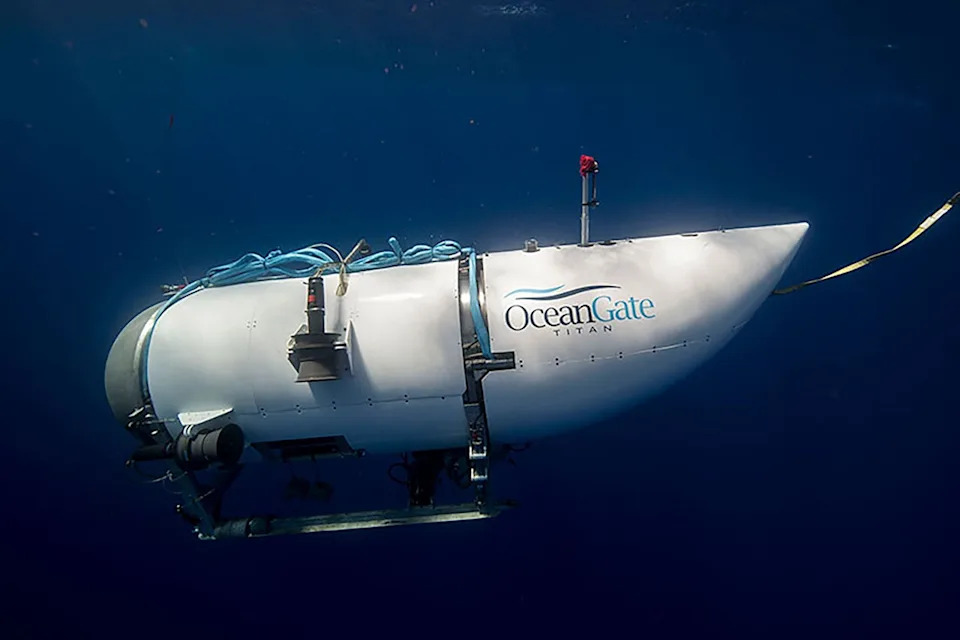
The Titan disaster is what many people think about when they think about underwater submersibles. Earle aims to change that with her new class of vehicles (PA Media)
But legendary ocean conservationist and Planetary Guardian Dr. Sylvia Earle — who once lived underwater for seven months during a research mission and was the first person to walk untethered on the deep seafloor — is working to reshape perceptions about the safety and importance of exploring the deep ocean.
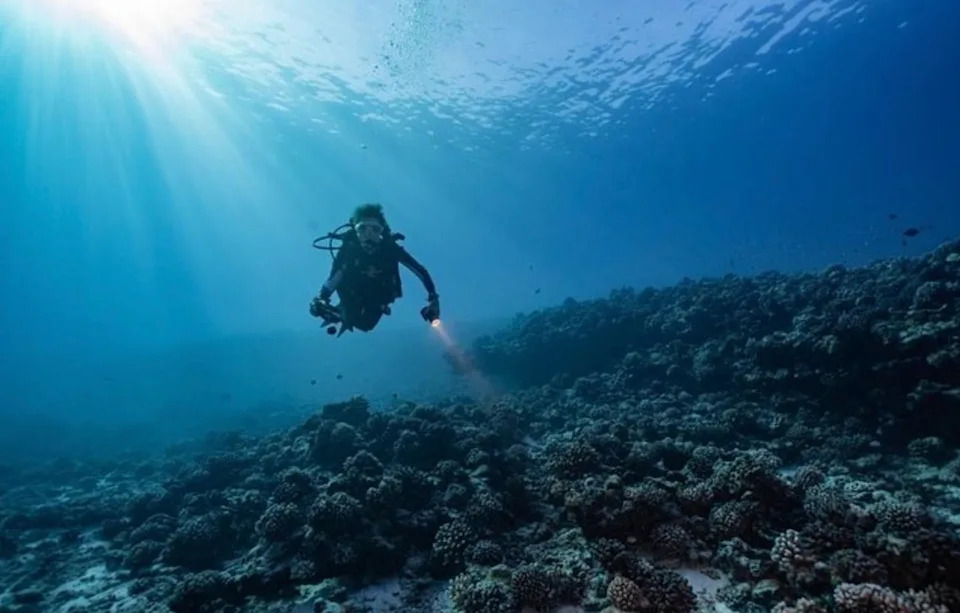
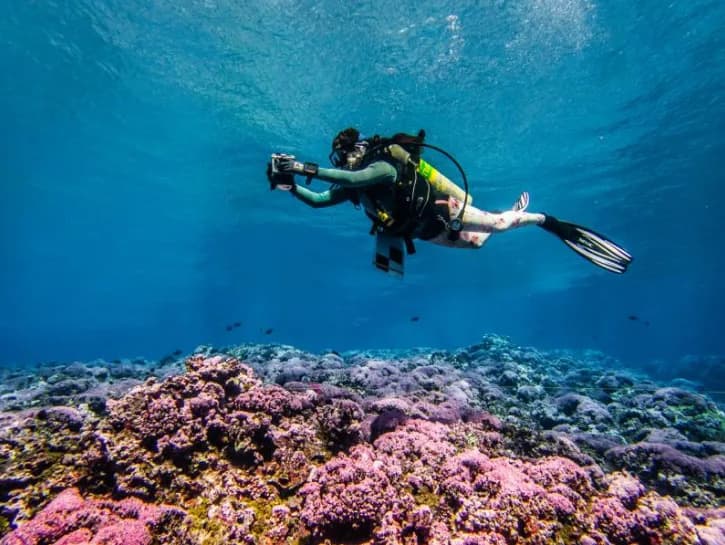
Sylvia Earle dives at Tetiaroa Atoll in French Polynesia. Earle has been spending time in the ocean since she was three years old (Sylvia Earle)
The Honu Submersible: Safer, Certified Exploration
Earle’s firm, DOER Marine, has developed a new class of submersible called Honu (the Hawaiian word for turtle). Honu is designed to carry three passengers to depths of 1,000 meters for up to eight hours per dive and is scheduled to make its maiden voyage in French Polynesia later this year. Earle argues that properly certified submersibles overseen by strong regulators can be "safer than flying," provided operators follow rigorous safety standards and independent certification.
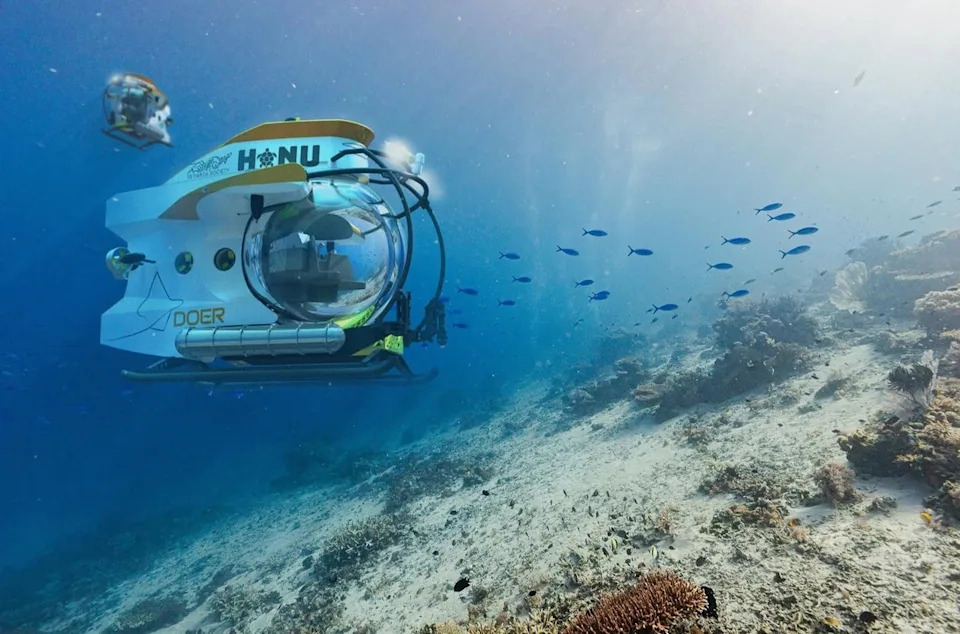
A Honu submersible is seen underwater in this image from DOER Marine. The sub will make its first dive in French Polynesia later this year (Sylvia Earle)
From Childhood Wonder to a Lifetime at Sea
Earle’s bond with the ocean began at age three on a family trip to the Jersey Shore. She later dived in Florida and remains active today, diving in places such as the Gulf of Mexico and the Flower Garden Banks National Marine Sanctuary off the Texas–Louisiana coast. In 1970 she was one of four women to live underwater in the Tektite II habitat experiment, and in 1990 she became the first woman to serve as chief scientist at the U.S. National Oceanic and Atmospheric Administration (NOAA).
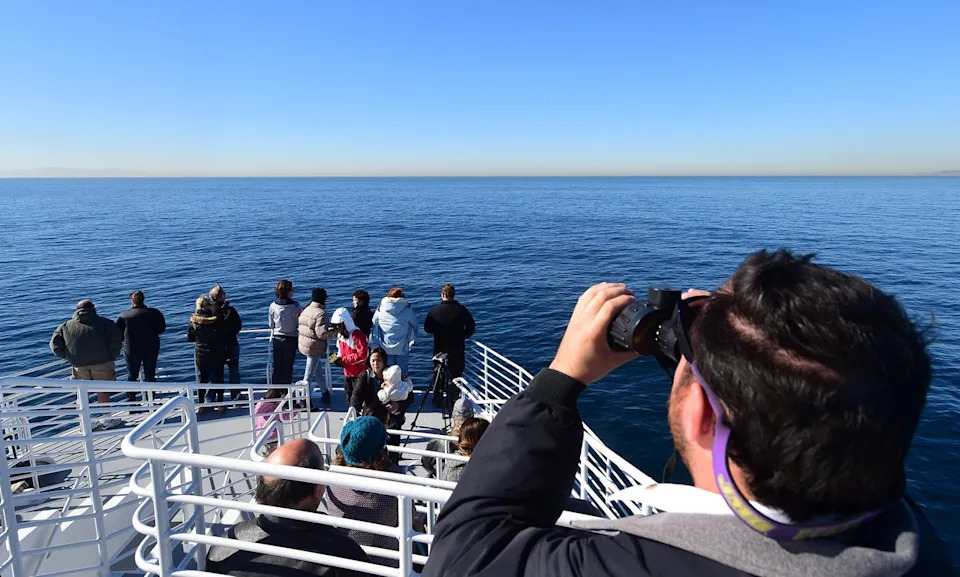
Whale watchers look out at the Pacific Ocean from Long Beach, California, in January 2016. Only .0001 percent of the deep ocean has ever been observed by scientists (AFP/Getty)
"If you're alive, it's not too late," Earle says about diving and engagement with the ocean. "And if getting into the water really isn't your thing, get into a submarine."
Why the Deep Ocean Matters
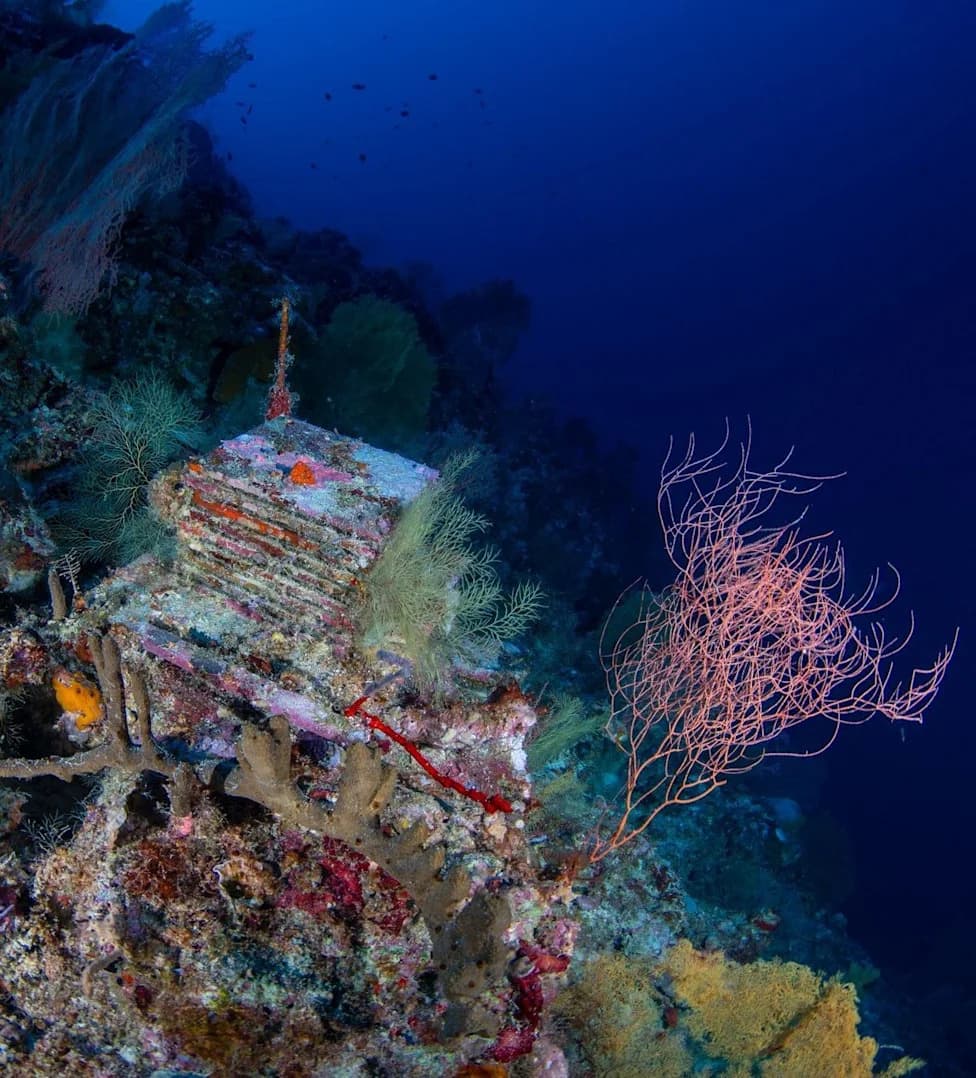
More than 70 percent of Earth is covered by ocean, yet scientists have directly observed only about 0.0001% of the deep ocean. That enormous unknown holds countless species, ecosystems and processes that sustain life on the planet. The ocean produces much of the oxygen we breathe and acts as a major carbon sink that helps regulate climate.
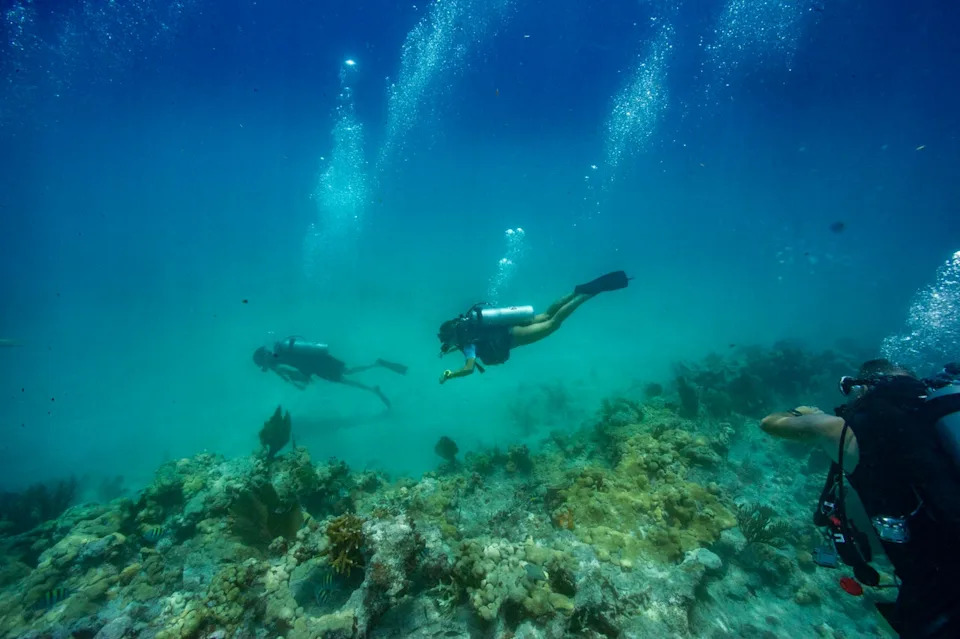
Divers swim around a coral reef in Key West, Florida, in July 2023. The coral reef is the largest in the continental U.S. and helps to support marine life (AFP/Getty)
Threats and Policy Concerns
Human activity has already cost roughly half of the world's coral reef ecosystems, which are essential for biodiversity and coastal communities. Only about 3% of the ocean is currently protected — a shortfall conservationists blame in part on expanding industrial activity, from deep‑sea mining proposals to oil and gas developments.
Earle warns that recent policy moves that open sensitive marine areas to resource extraction or weaken protections for marine monuments risk further damage to species such as humpback whales, green sea turtles and the fisheries people depend on for food.
A Call to Action
Despite the threats, Earle is cautiously optimistic: younger generations understand both the problems and the solutions. She urges continued scientific exploration using well‑regulated submersibles, stronger marine protections and collective action to preserve the ocean's life support systems. "On their watch, our watch right now, this is the best chance we have ever had as a species to shape the world we want," she says.
Help us improve.