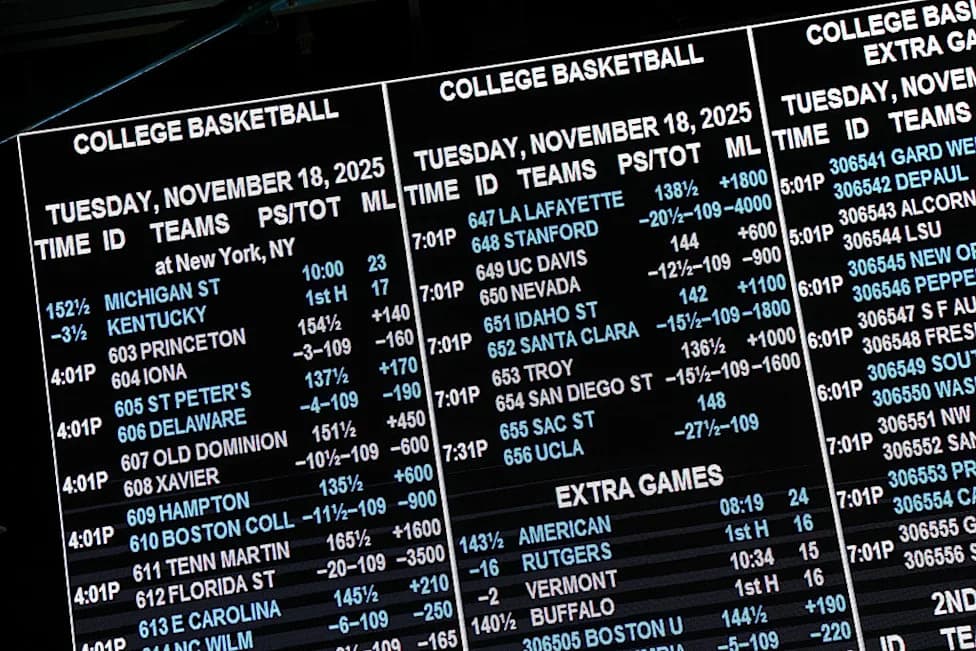
Gallup polling of more than 2,200 U.S. adults finds past-year gambling fell from 64% in 2016 to 45% in 2026. Lottery participation dropped most sharply (49% to 31%), and in-person casino play fell from 26% to 14%. Professional sports betting stands at 7% (matching 2007), while internet gambling rose slightly to 4%. The survey also shows declining moral acceptance of gambling (67% to 57%) and notes higher self-reported gambling in online vs. telephone responses.
Gallup: Far Fewer Americans Report Gambling Today Than A Decade Ago

Americans Less Likely to Gamble Than 10 Years Ago, Survey Suggests
New Gallup polling shows a notable drop in reported gambling among U.S. adults over the past decade. Combined June and July telephone polls of more than 2,200 adults, plus a separate online survey using the same questions, reveal declines across several common gambling activities — even as the gambling industry grows and legal sports betting expands.
Key Findings
Overall, 45% of respondents said they had gambled in the past year, down from 64% in 2016. Lottery play fell the most, from 49% to 31%, and in-person casino gambling declined from 26% to 14% over the same period. Internet gambling was the only category that did not fall, with 4% of adults reporting they gambled online for money.
Gallup also measured betting on organized contests: 7% of respondents said they had wagered on professional sports in the past year (down from 10% in 2016 but equal to 2007 levels) and 4% said they bet on college sports. Gallup notes that participation in professional sports betting (7%) is half the 14% recorded in 1989, the first year the firm tracked that activity.
Longer-Term Trends
Land-based casinos have seen sustained declines since the early 2000s: in-person casino gambling peaked at 30% in 2003 and is now 14% (2026). By contrast, internet gambling has risen from roughly 1% in the early 2000s to 4% today.
Who Is Gambling?
Demographic patterns are clear. Households with incomes above $100,000 reported the highest participation (54%), compared with 45% among those earning $50,000–$99,999. Men report gambling more than women (49% vs. 40%), and adults aged 50 and older reported higher participation (50%) than those under 50 (41%).
Gambling Harms And Attitudes
Most operators promote responsible gambling, and relatively few respondents admit risky play: 3% of all adults — and 7% of people who gambled — said they sometimes risked more than they should. Still, 9% of respondents said gambling had caused problems in their family; that rises to 13% among lower-income adults. Public acceptance of gambling also fell: 57% now call gambling morally acceptable, down from 67% in 2016.
Mode Effects And Caveats
Gallup cautioned that some of the apparent decline could reflect differences in willingness to disclose gambling to a live interviewer. The separate web survey produced a higher past-year gambling rate (53%) than the telephone survey (45%), suggesting respondents may be more candid online.
Bottom line: Fewer Americans report gambling now than a decade ago, with the biggest drops in lottery play and in-person casino visits. At the same time, internet gambling is up modestly, and attitudes about gambling’s acceptability have softened.
Help us improve.