New research confirms a link between gut microbes and Parkinson’s disease. A 2024 study found reduced microbial pathways for producing riboflavin (B2) and biotin (B7) in patients, associated with lower short‑chain fatty acids and polyamines that help maintain the intestinal mucus barrier. Small randomized trials of donor fecal transplants reported motor and constipation improvements, but larger trials are required. Researchers suggest targeted B‑vitamin supplementation and microbiome modulation as promising, testable therapies.
Gut Bacteria, B‑Vitamins and Parkinson’s: Simple Microbiome‑Based Treatment Strategies
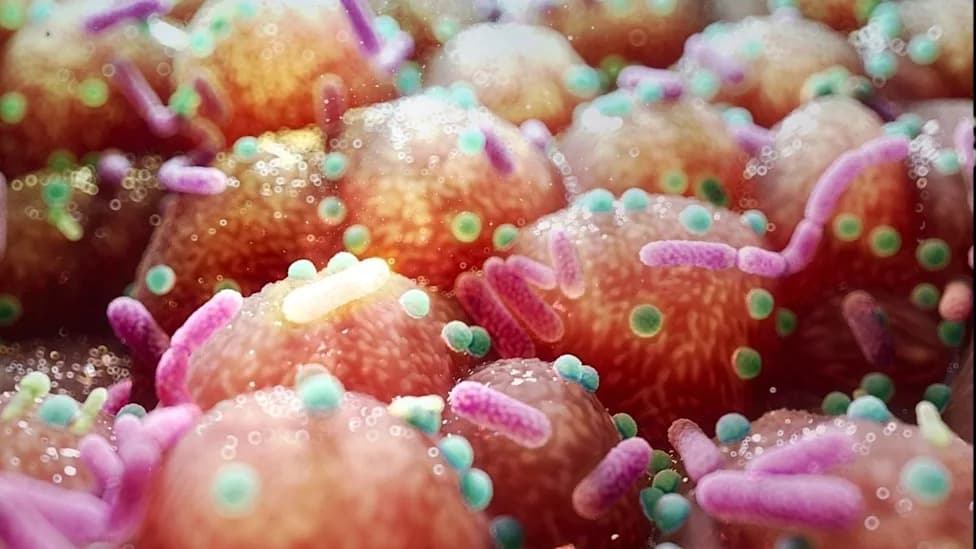
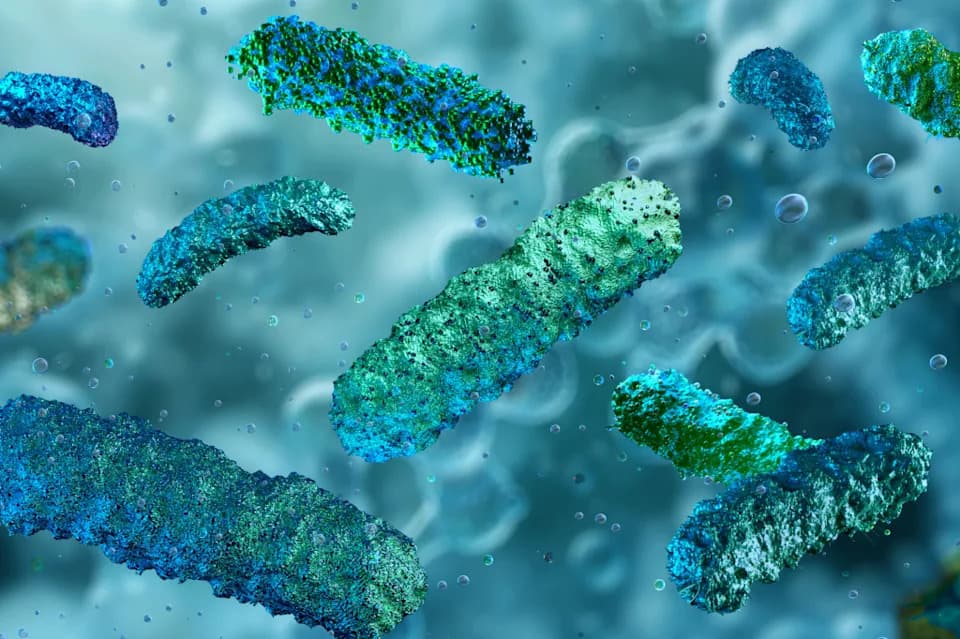
Illustration of bacteria on the colon epithelium. (Nanoclustering/Science Photo Library/Getty Images)
Years before Parkinson’s disease is clinically diagnosed — sometimes up to two decades earlier — patients often experience subtle signs such as constipation and disrupted sleep. Recent research increasingly points to the gut microbiome as an early actor in the disease process, and suggests surprisingly straightforward therapeutic directions.
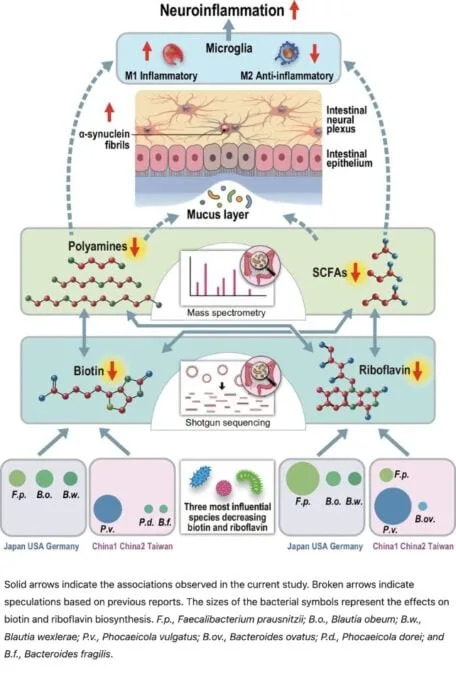
Summary of findings from the study and speculations from previous research. (Nishiwaki et al.,npj Parkinson's Dis., 2024)
Evidence Linking Gut Microbes to Parkinson’s
In 2024, a team led by Hiroshi Nishiwaki at Nagoya University analyzed fecal samples from 94 people with Parkinson’s and 73 controls, then validated their findings against datasets from China, Taiwan, Germany and the United States. Although microbial species vary by region, the same metabolic pathways were consistently disrupted in Parkinson’s patients: pathways that produce the B vitamins riboflavin (B2) and biotin (B7).
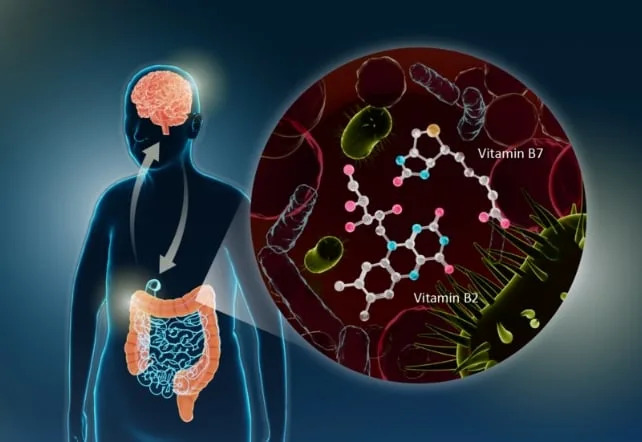
In Parkinson's disease, a reduction in the gut bacteria of genes responsible for synthesizing the essential B vitamins B2 and B7 was found. (Reiko Matsushita)
Nishiwaki’s group found that reduced microbial capacity to synthesize these vitamins correlated with lower levels of short‑chain fatty acids (SCFAs) and polyamines — compounds that help maintain the intestinal mucus layer. The researchers propose that a thinner mucus barrier increases gut permeability, which could expose peripheral nerves to environmental toxins and promote abnormal aggregation of alpha‑synuclein, a protein implicated in Parkinson’s neurodegeneration.
(Juan Moyano/Canva)
"Deficiencies in polyamines and SCFAs could lead to thinning of the intestinal mucus layer, increasing intestinal permeability, both of which have been observed in [Parkinson's disease]," Nishiwaki said.
Related Clinical Trials: Fecal Microbiota Transplant
Two recent randomized, placebo‑controlled trials tested fecal microbiota transplantation (FMT) in people with Parkinson’s. FMT transfers processed stool from screened healthy donors into a patient's gut by various delivery methods (including colonoscopy) to alter the recipient’s microbiome.

Subscribe to ScienceAlert's free fact-checked newsletter
- Belgian GUT‑PARFECT trial: 46 participants with mild‑to‑moderate Parkinson’s received either donor stool or autologous (their own) stool as placebo. After 12 months the donor group improved an average of 5.8 points on a motor symptom scale versus 2.7 points in the placebo group, with the largest gains between six and twelve months.
- Zhengzhou University (China) trial: 72 newly diagnosed, treatment‑naive patients received three rounds of donor or autologous FMT. After 35 weeks the donor group improved by 3.8 points on average while the control group changed little (−0.1). Donor recipients also showed marked constipation relief, reductions in potentially harmful bacteria (e.g., E. coli, Shigella), a stronger gut lining, higher stool dopamine and lower gut alpha‑synuclein levels.
These trials were encouraging but relatively small and short‑term. The results support the idea that manipulating the gut microbiome can modify symptoms and possibly disease mechanisms — but larger, longer studies are needed to confirm efficacy, identify who benefits most, and assess long‑term safety.
Therapeutic Implications
The findings point toward two potentially simpler, more targeted interventions:
- Targeted oral supplementation with riboflavin (B2) and biotin (B7) for patients with demonstrable microbial deficiencies.
- Microbiome modulation strategies — ranging from diet and pre/probiotics to FMT or defined microbial therapeutics — designed to restore SCFA and polyamine production and strengthen the gut mucus barrier.
Earlier, smaller research (e.g., a 2003 study) suggested high‑dose riboflavin might improve motor function in some patients, but study design limitations prevented firm conclusions. The present, larger microbiome studies provide a clearer biological rationale for testing targeted B‑vitamin supplementation in carefully selected patients.
Conclusion and Cautions
Collectively, these studies strengthen a model in which altered gut microbial metabolism contributes to intestinal barrier dysfunction, alpha‑synuclein accumulation, and downstream brain inflammation in Parkinson’s. They also offer feasible, testable treatment directions ranging from targeted vitamin supplementation to microbiome therapies. However, the evidence is preliminary: the trials to date are small and do not establish long‑term benefits or risks. Future large, randomized trials and mechanistic studies are needed before these approaches become standard care.
Sources: npj Parkinson’s Disease; eClinical Medicine; Signal Transduction and Targeted Therapy (2024).
Help us improve.