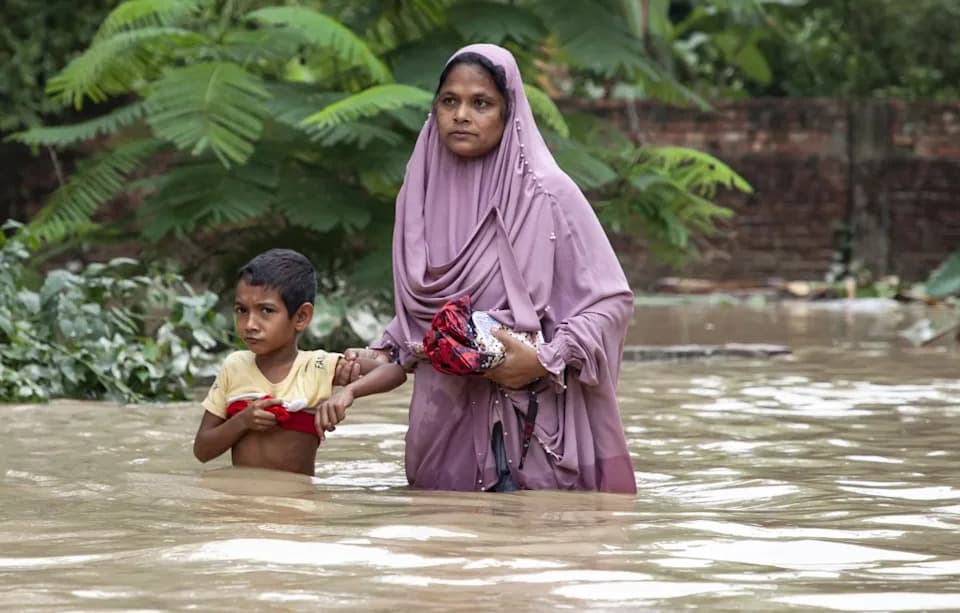
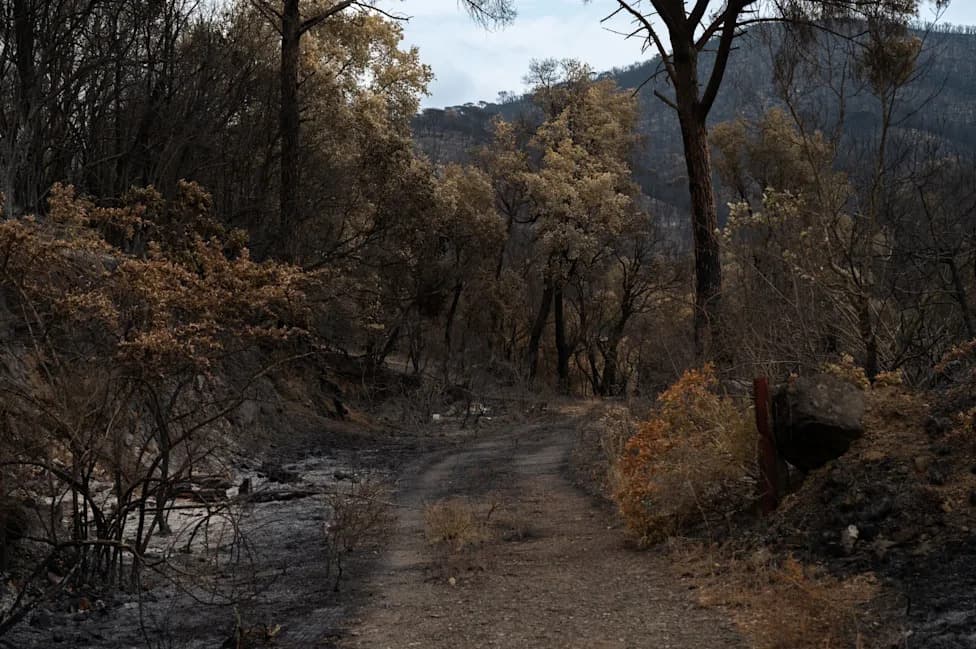
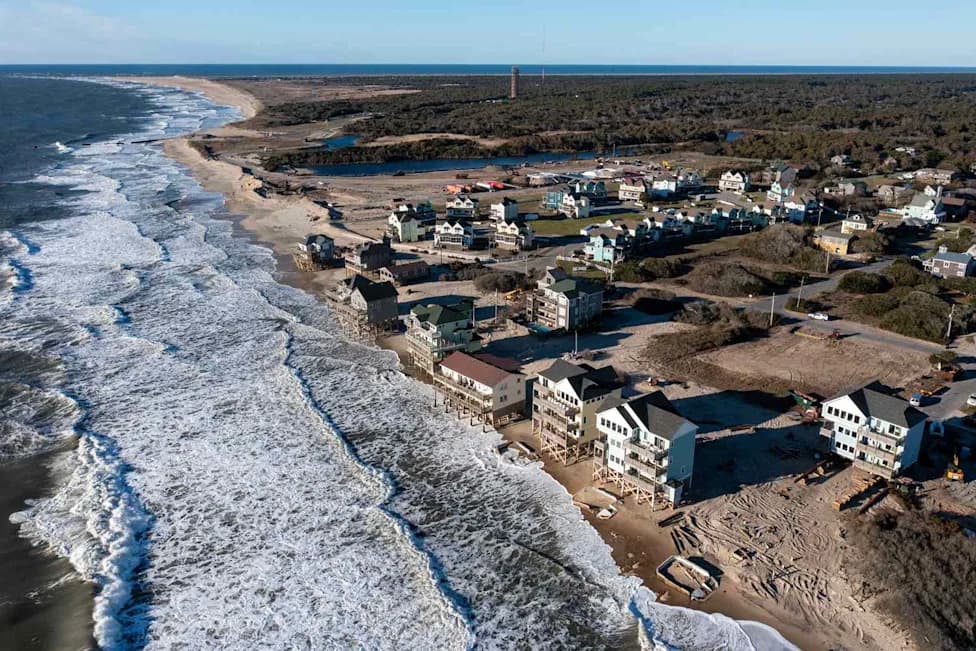
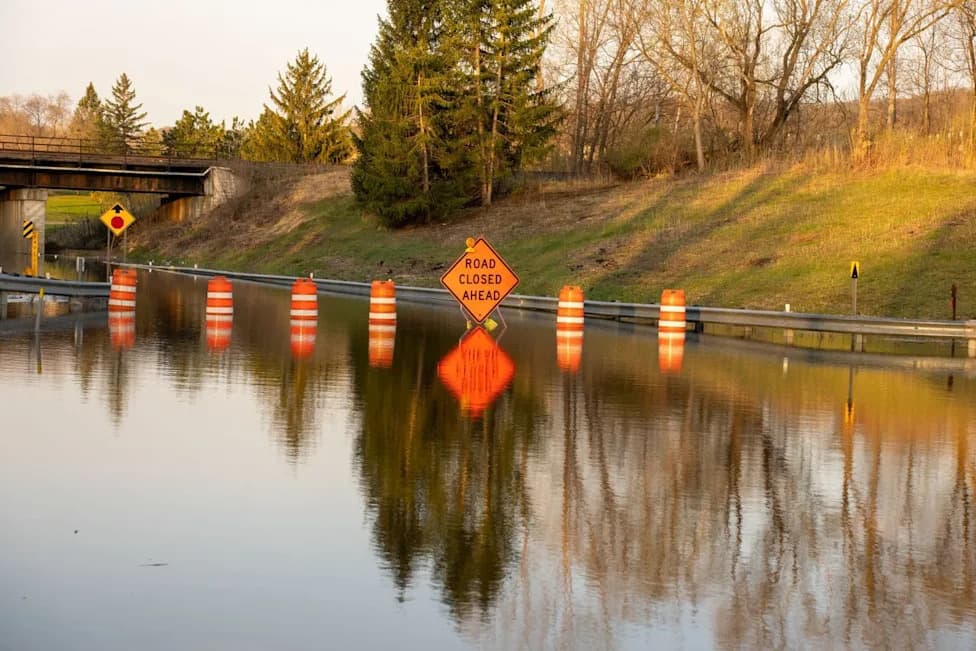
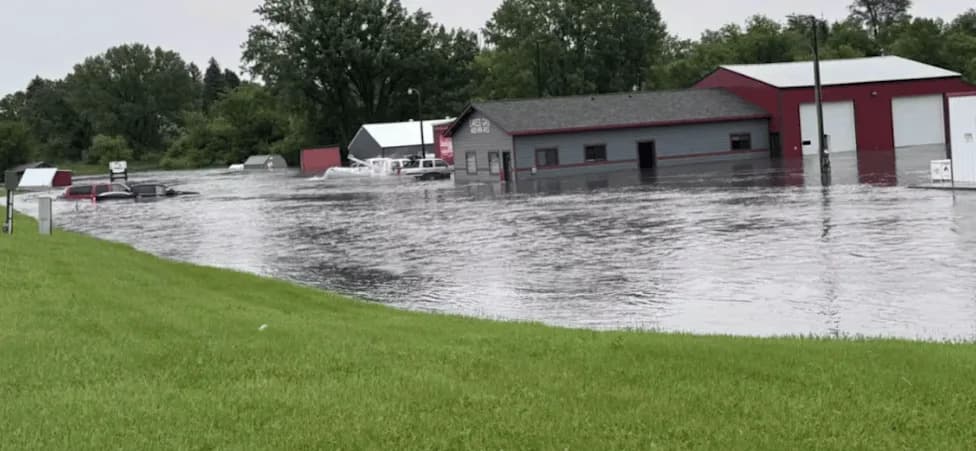
Inflation-adjusted data show Hurricane Katrina remains the costliest U.S. urban climate disaster since 1990 at $201.3 billion. Major events such as Hurricane Harvey ($140B), Hurricane Ian ($119.6B) and the January 2025 Southern California wildfires ($61.2B) illustrate the range of hazards—flooding, storm surge and megafire—that impose immediate and long-lasting economic damage. Beyond repair costs, these disasters have driven population shifts and raised insurance and resilience expenses for affected communities.
The Costliest Climate Disasters to Hit U.S. Cities Since 1990 — From Katrina to 2025 Wildfires
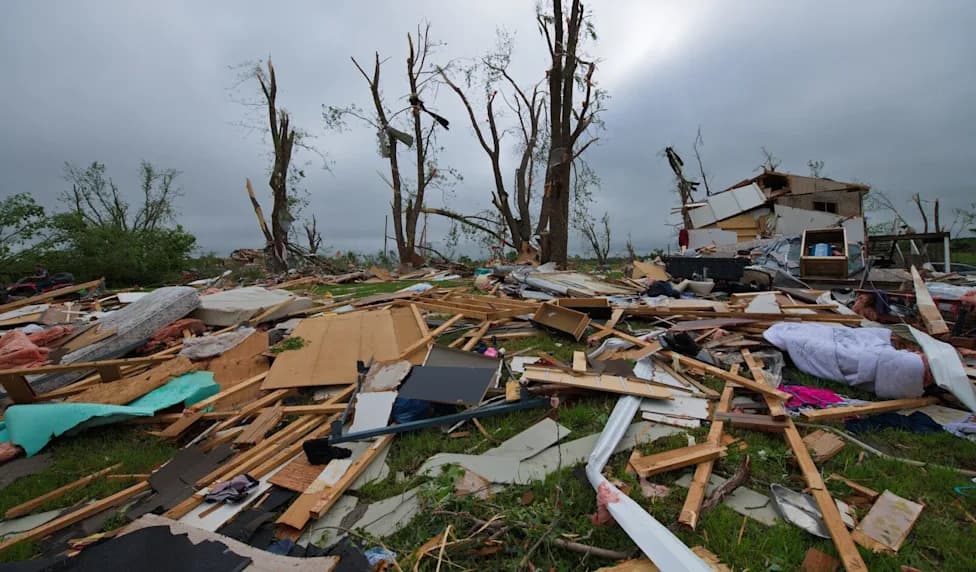
Photo by Greg Johnson on Unsplash
From hurricanes that flattened neighborhoods to record-setting floods and megafires that leveled communities, climate-driven disasters have imposed staggering costs on U.S. cities. The figures below are adjusted for inflation (CPI) so they can be compared directly. Beyond immediate destruction, these events often produce long-term economic and social consequences: population loss, higher insurance premiums, and lasting infrastructure damage.
New Orleans, LA — Hurricane Katrina (August 2005): $201.3 billion
Hurricane Katrina is the costliest U.S. climate disaster this century, with an estimated CPI-adjusted price tag of $201.3 billion. The Category 3 storm made landfall along eastern Louisiana and western Mississippi. In addition to catastrophic winds and heavy rain, a storm surge topped 30 feet in places and widespread levee and floodwall failures flooded roughly 80% of New Orleans and 95% of St. Bernard Parish. The human toll and population displacement—New Orleans lost more than 20% of its pre-storm population—produce economic impacts that persist to this day.
Houston, TX — Hurricane Harvey (August 2017): $140 billion
Category 4 Hurricane Harvey is considered the wettest tropical cyclone on record in the U.S., unleashing unprecedented rainfall across southeast Texas. Urban flooding hit Houston especially hard, inundating homes, businesses and infrastructure. The disaster’s costs reflect both immediate damage and long-term recovery efforts across a broad metropolitan area.
Fort Myers, FL — Hurricane Ian (October 2022): $119.6 billion
Hurricane Ian struck Florida with exceptional storm surge and destructive winds, causing severe damage across Florida and affecting neighboring states and Cuba. Total losses are estimated at $119.6 billion (inflation-adjusted), and authoritative counts put the overall death toll at roughly 160 people, the majority in Florida where drowning in storm surge accounted for most fatalities.
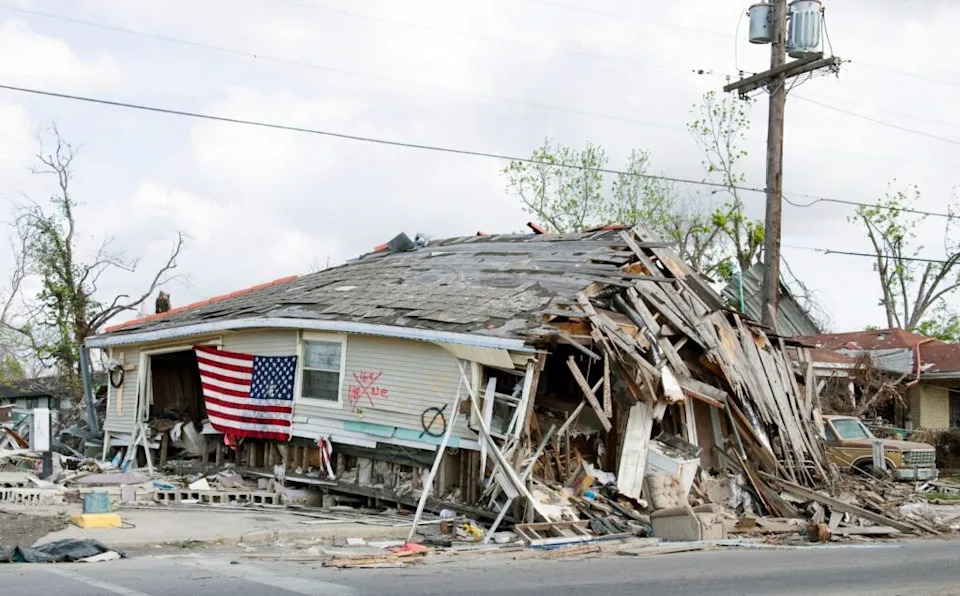
Photo byLibrary of CongressonUnsplash
Los Angeles, CA — Southern California Wildfires (January 2025): $61.2 billion
The January 2025 Southern California wildfires were the most expensive natural disaster of that year. The destruction came from a cluster of fires—estimates cite as many as 14 blazes burning in proximity; the Eaton and Palisades fires in Los Angeles County alone destroyed more than 16,000 structures. Weather conditions—hurricane-force Santa Ana winds, extremely low humidity, and abundant dry fuels—had been flagged by meteorologists before the blazes intensified.
Miami, FL — Hurricane Andrew (August 1992): $40 billion
Hurricane Andrew struck South Florida as a powerful Category 5 storm, causing roughly $40 billion in inflation-adjusted damage. At the time it was one of only a handful of Category 5 landfalls in U.S. history. Andrew killed 65 people and produced sustained winds up to about 177 mph in some locations, destroying large swathes of residential and commercial property.
Paradise, CA — Camp Fire (November 2018): $27 billion
The Camp Fire devastated the town of Paradise and was the deadliest and costliest wildfire in California in 2018, accounting for roughly $27 billion in losses and 85 fatalities. Cal Fire identified it as one of several major blazes that year, underscoring the growing wildfire risk in the state.
Dallas, TX — Tornado Cluster (October 2019): $10 billion
In October 2019 a cluster of nine tornadoes struck North Dallas, including an EF-3 twister with peak winds near 140 mph. One tornado remained on the ground for about 32 minutes and carved a roughly 15-mile path, damaging or destroying hundreds of structures—schools, retailers, homes and critical infrastructure—resulting in estimated losses of about $10 billion.
What These Disasters Share: Hurricanes, wildfires and tornado outbreaks produce not only enormous immediate repair and replacement costs but also long-term effects—population shifts, insurance-market changes, and increased resilience spending. The inflation-adjusted totals help underscore how the economic burden of climate-driven disasters has grown and why many cities are rethinking planning, building codes and risk mitigation.
Help us improve.