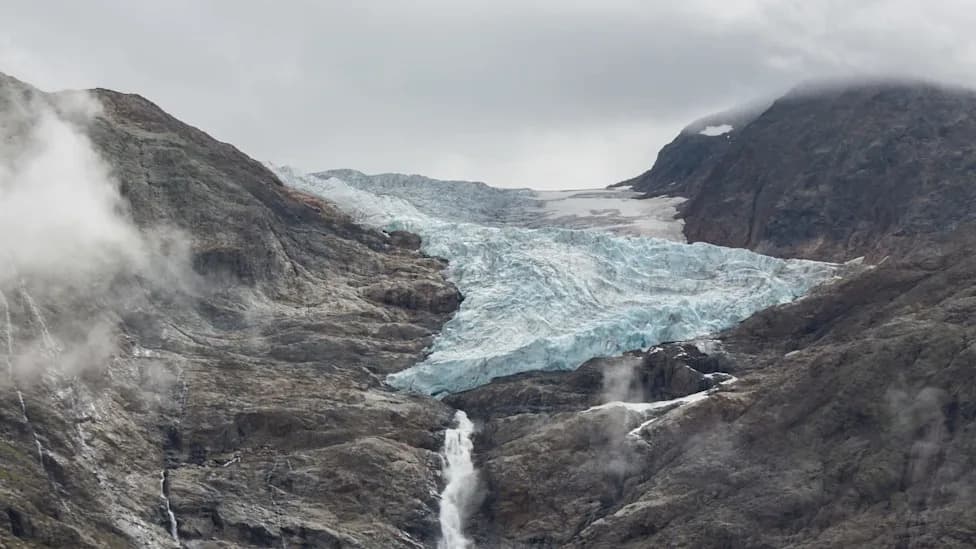
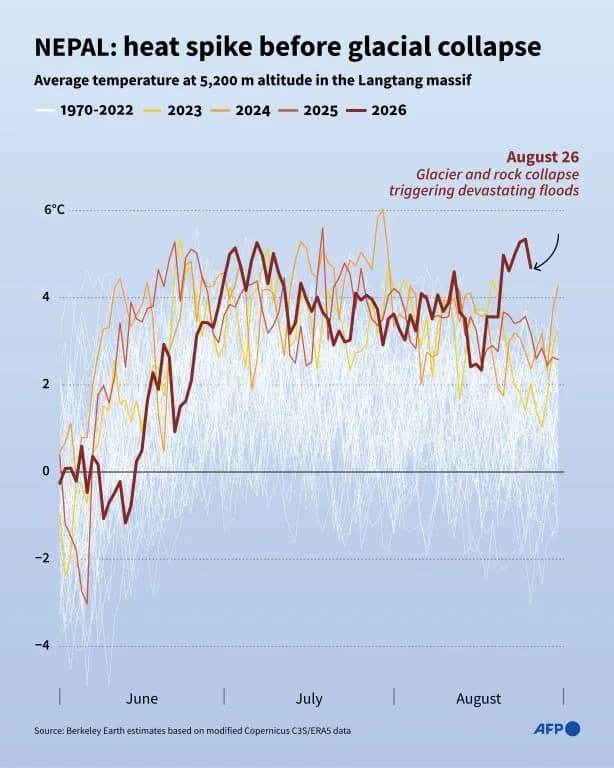
The Spitze Stei rock formation above Kandersteg threatens a landslide of an estimated 15–20 million cubic meters, a risk linked to thawing permafrost and retreating glaciers. Authorities are monitoring the slope continuously and maintain evacuation plans; experts believe a gradual breakdown is more likely than a single catastrophic collapse. The May 2025 Blatten event underscores how warming can destabilize Alpine slopes, and scientists warn some valleys may eventually become too costly or dangerous to protect.
Thawing Permafrost Threatens Massive Rock Collapse Above Swiss Village Kandersteg
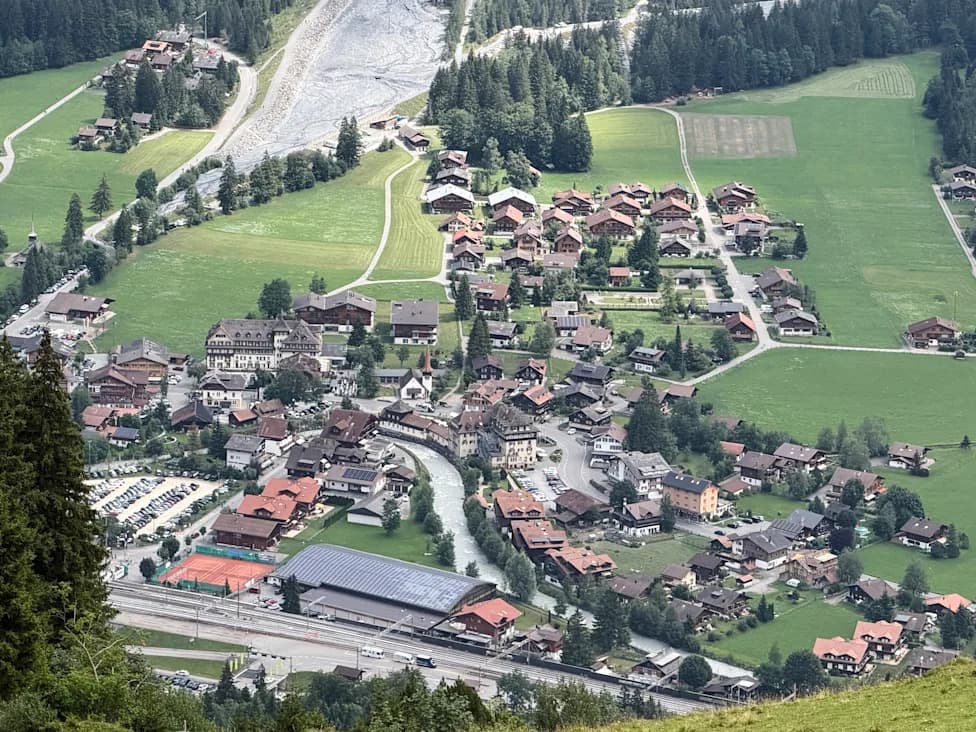
Areal view of the village center of Kandersteg, Switzerland, Tuesday, Aug. 4, 2026. (AP Photo/Hernan Munoz)(AP Photo/Hernan Munoz)
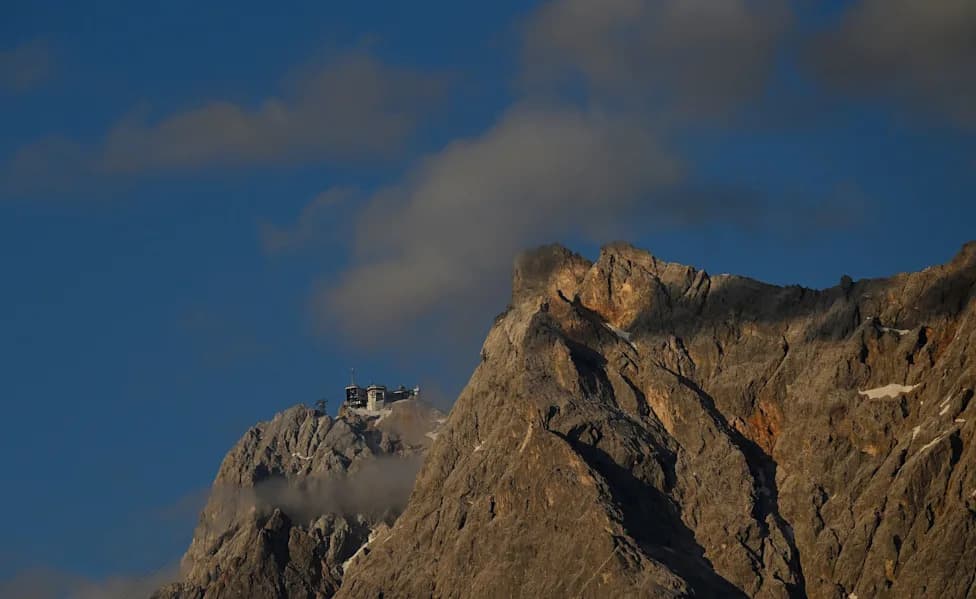
An unstable rock formation known as Spitze Stei towers above the Swiss Alpine village of Kandersteg and poses a renewed risk of a large landslide as permafrost and glacier ice melt. Scientists link the growing instability of mountain slopes across the Alps to rising temperatures, which weaken the natural 'cement' that binds rock and debris.
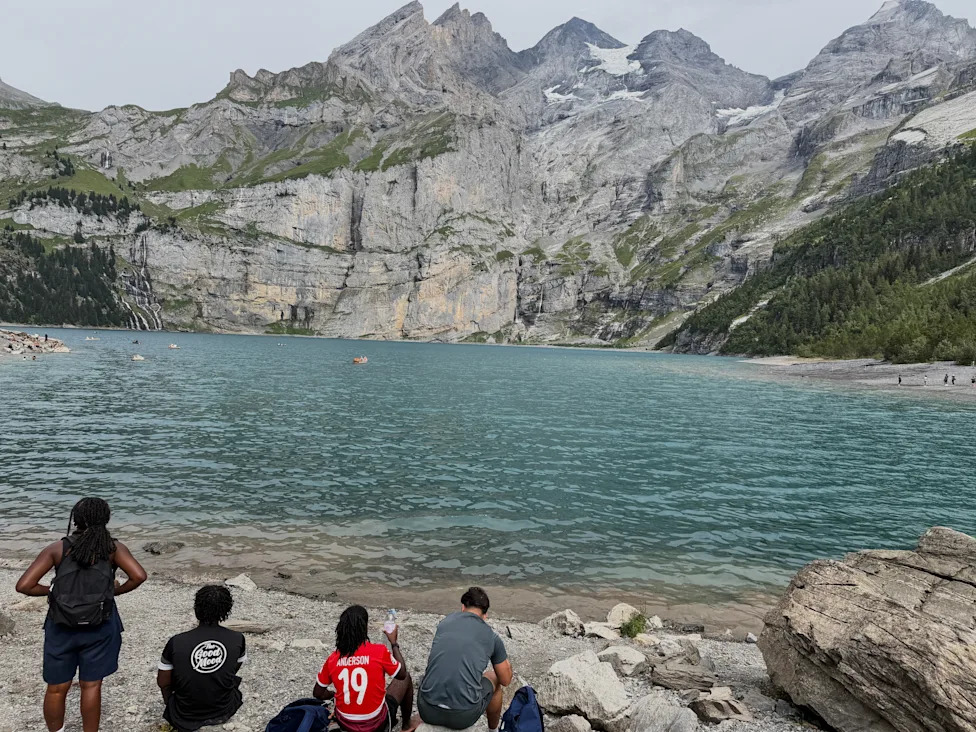
Tourists gather at the Oeschinensee lake near Kandersteg, Switzerland, Tuesday, Aug. 4, 2026. (AP Photo/Hernan Munoz)(AP Photo/Hernan Munoz)
The village of about 1,300 people in the canton of Bern is set amid classic Alpine scenery — jagged peaks, retreating glaciers and steep green valleys — but lives under the shadow of geological change. Authorities and experts emphasize that monitoring and emergency plans are in place, though risks remain.
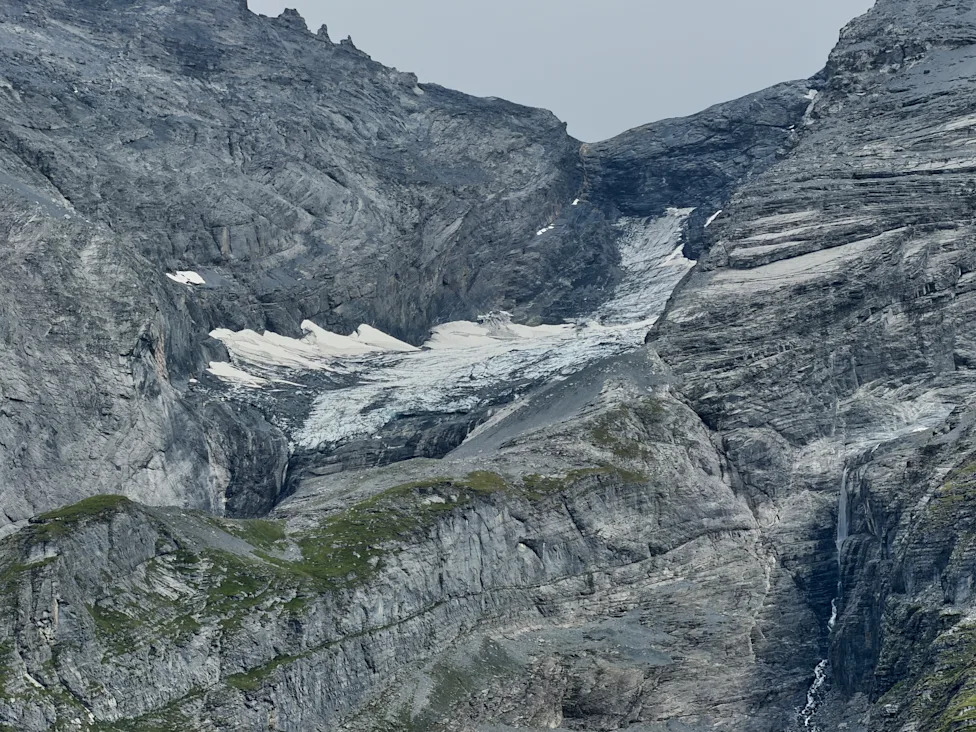
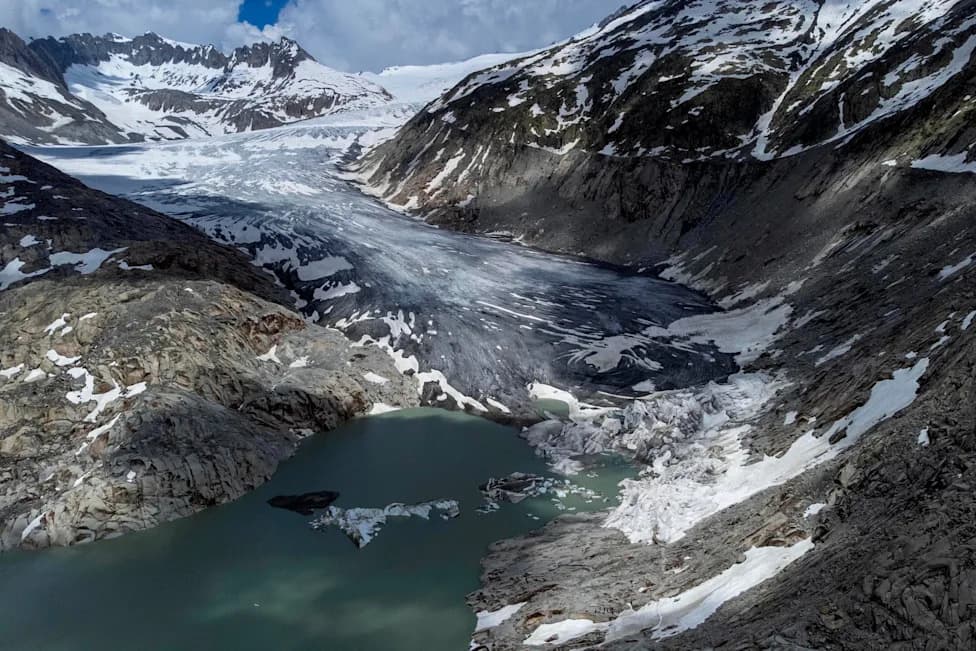
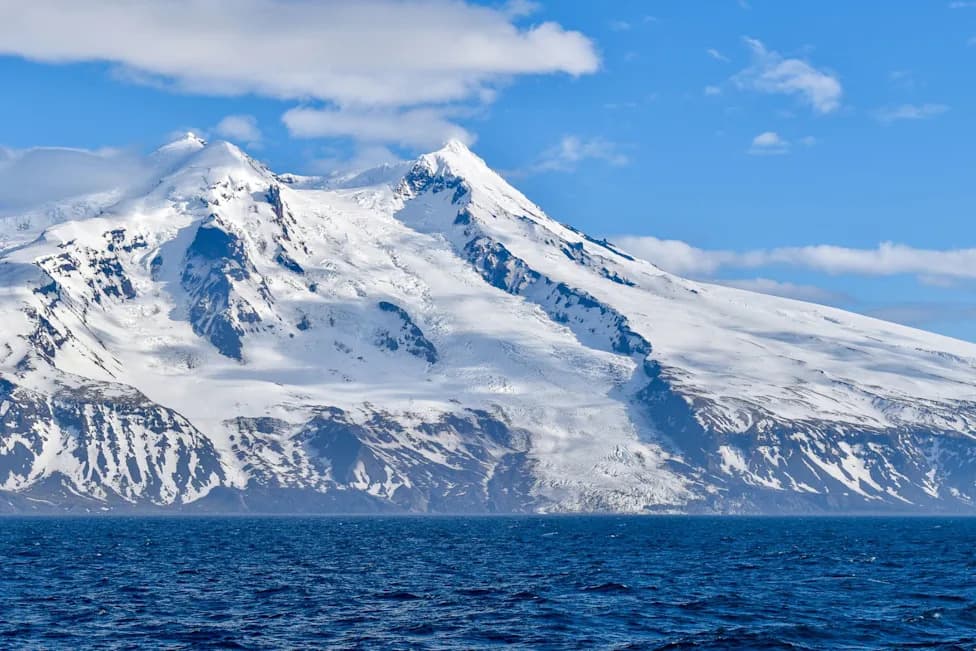
Glacier on top of Blueemlisalphorn peak seen near Kandersteg, Switzerland, Tuesday, Aug. 4, 2026. (AP Photo/Hernan Munoz)(AP Photo/Hernan Munoz)
What Is At Risk? The unstable section of Spitze Stei is estimated at roughly 15–20 million cubic meters of rock and ice. If that entire mass were to fail in a single event, it could produce a catastrophic landslide comparable to the collapse that struck nearby Blatten in May 2025. However, geologists currently judge a slower, progressive breakdown to be the more probable scenario.
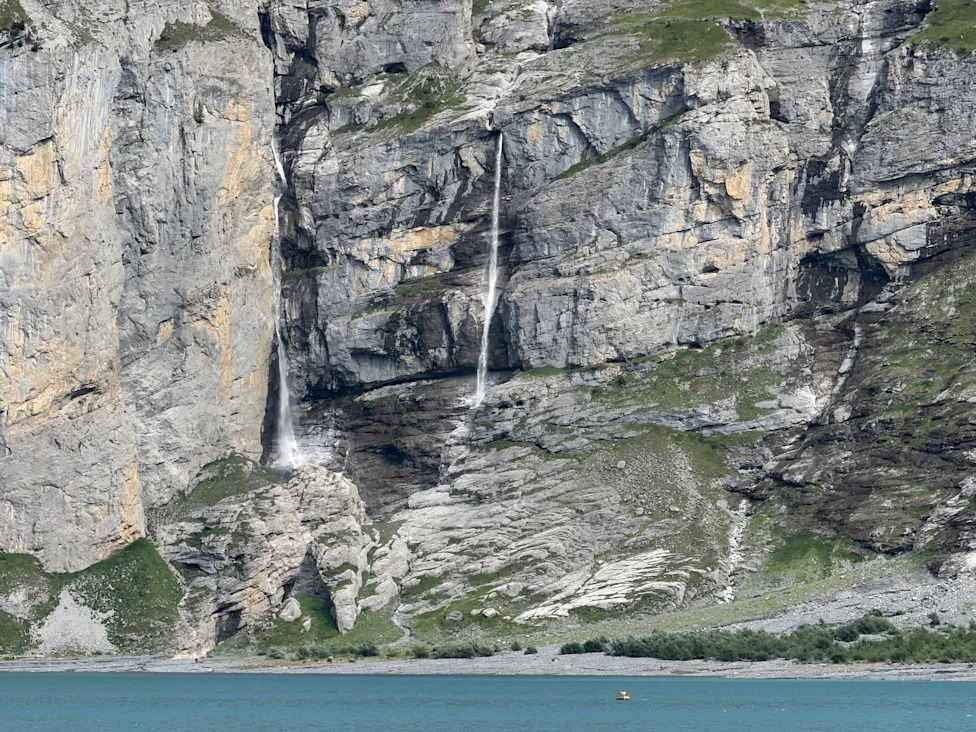
Streams of water from melting glaciers feeding Oeschinensee lake near Kandersteg, Switzerland, Tuesday, Aug. 4, 2026. (AP Photo/Hernan Munoz)(AP Photo/Hernan Munoz)
'You are aware that it's happening, but not afraid,' said resident Brigitte Jüni, noting officials have implemented the available precautions. 'But then it's nature. It's nature and you never know,' she added.
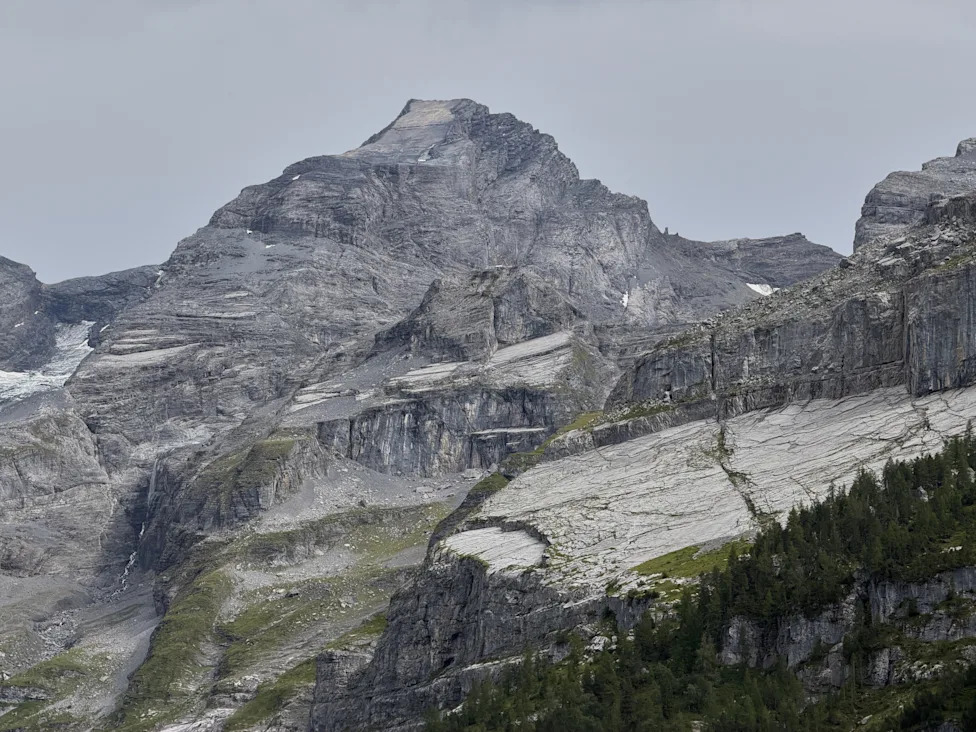
The "Spitze Stei" rock massive with the Bluemlisalphorn peak in the background seen over the Oeschinensee near Kandersteg, Switzerland, Tuesday, Aug. 4, 2026. (AP Photo/Hernan Munoz)(AP Photo/Hernan Munoz)
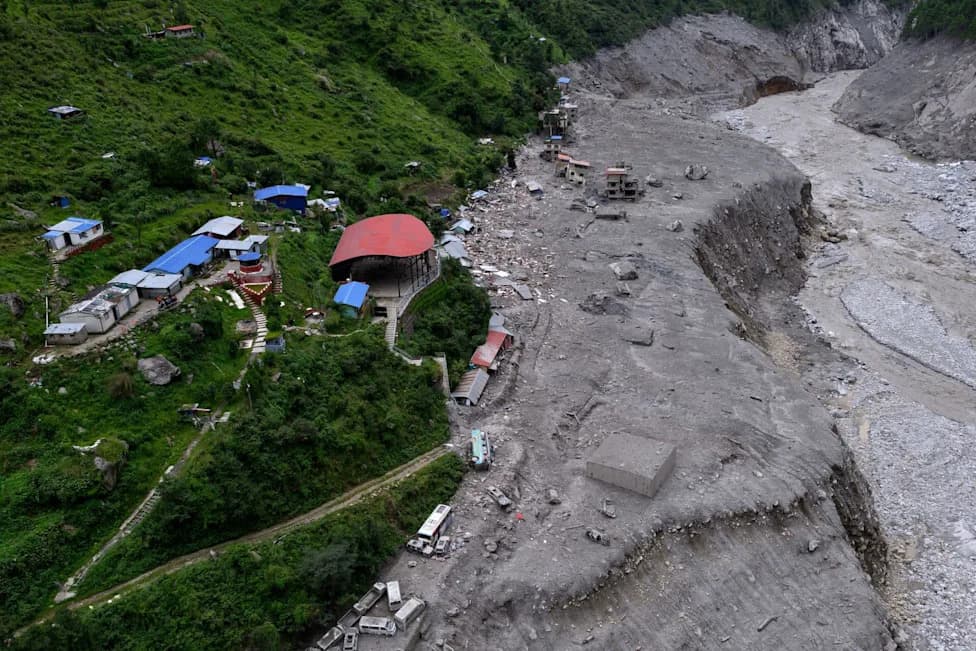
In May 2025 a large mass of rock and ice from a glacier in the Lötschental valley thundered downhill, sending dust and mud into Blatten after residents had been evacuated as a precaution. Scientists linked that event to thawing permafrost combined with changing glacier dynamics.
'In the mountains and in the unconsolidated debris, there is lots of ice,' said Markus Stoffel, professor of climate change and natural risks at the University of Geneva. 'Once this ice melts, it acts like a cement. These mountain slopes will become increasingly unstable.'
Local authorities monitor Spitze Stei using a combination of instruments: ground-based sensors, aerial surveys and regular field inspections. Evacuation protocols are maintained for the most vulnerable sectors of the village, and residents report that smaller rockfalls have occurred here for many years.
Nathan Solothurnmann, climate and energy specialist at Greenpeace Switzerland, warned that warming will make rockfalls, landslides and avalanches more common across the Alps. 'It may one day become necessary to abandon some valleys or villages where protection is no longer feasible or affordable,' he said.
Advice For Residents And Visitors
Stay informed through local authorities, follow evacuation orders without delay, and avoid valley bottoms and areas below steep slopes after warm spells, heavy rain or rapid thawing events.
Authorities are weighing medium- and long-term responses — from protective engineering works and early-warning systems to land-use adjustments — while balancing costs, technical feasibility and the livelihoods of local communities.
Help us improve.