The Zugspitze experienced continued rockfall after several cubic metres of rock loosened since Tuesday, creating a large dust cloud. Franz Dörfler of the Grainau Mountain Rescue Service said the scale was unusually large for the 2,962-metre peak, though no buildings or marked paths appear damaged. Experts link the instability to receding permafrost as regional temperatures rise, increasing rockfall risk in high Alpine terrain.
Permafrost Retreat Triggers Continued Rockfall on Germany’s Highest Peak, the Zugspitze
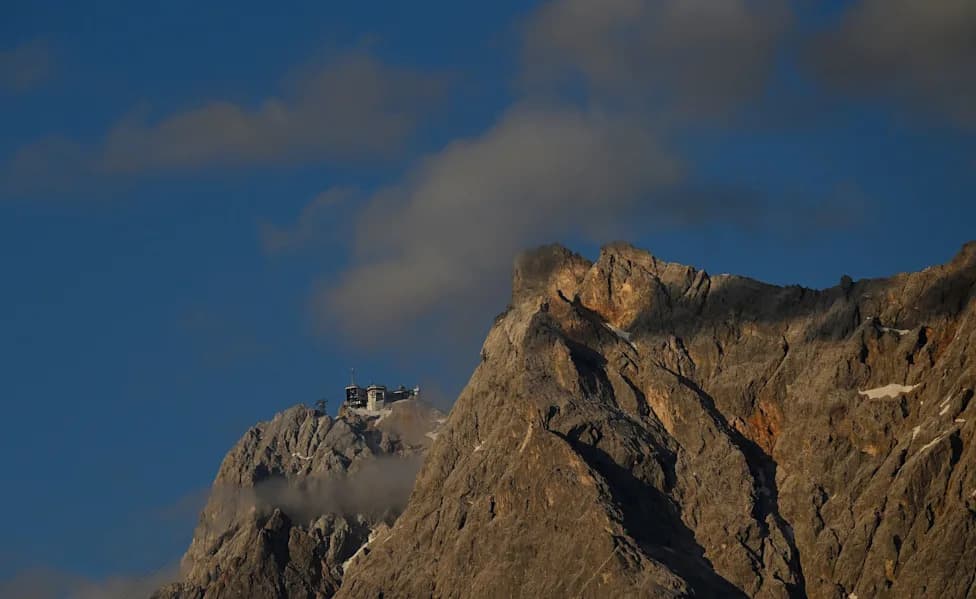
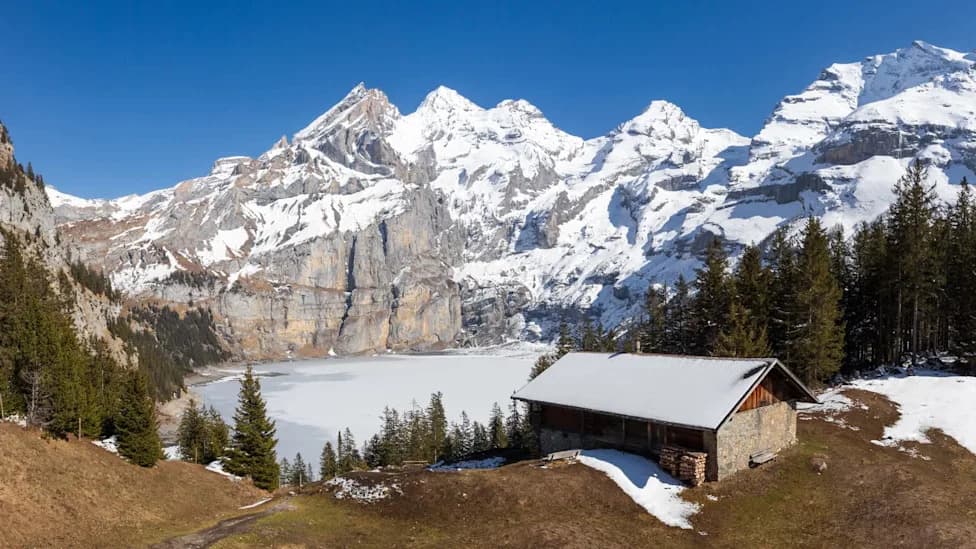
FILE PHOTO - The summit of the Zugspitze peak is seen from the Tyrolean side. (is associated with: «Rocks tumble from Germany's highest mountain as permafrost declines») Angelika Warmuth/dpa
Rock continued to break away from the Zugspitze — Germany’s highest mountain — on Wednesday as permafrost that stabilises the summit retreats under rising regional temperatures linked to climate change.
Since the initial collapse was observed on Tuesday, several cubic metres of rock have loosened and fallen down the slopes, producing a large dust cloud visible from below.
Franz Dörfler, deputy head of operations at the Grainau Mountain Rescue Service, said that while rockfalls are not uncommon in high Alpine terrain, the scale of this recent event is unusually large for the 2,962-metre peak that sits on the German–Austrian border. He added that the exact volume of detached rock is hard to determine because the affected area is currently inaccessible for safety reasons.
Staff from the Zugspitzbahnen railway, which carries visitors close to the summit, are monitoring the situation from a safe distance. So far, Dörfler reported no obvious damage to buildings or marked paths.
Experts note the mountain’s rock is held together by permafrost, which has been receding as temperatures rise. This loss of frozen ground reduces slope stability and can increase the frequency and scale of rockfall events across Alpine regions.
What This Means
Local authorities will continue to observe the summit and restrict access to hazardous zones until teams can safely assess and stabilise the area. The incident underscores growing risks to mountain infrastructure and recreational routes as climate-driven warming affects permafrost in high-altitude environments.
Help us improve.