Newborn Rumi, delivered by a surrogate in Texas, was diagnosed in utero with hypoplastic left heart syndrome and underwent a Norwood procedure Monday. The case sparked a multistate legal dispute after the surrogate said she declined to terminate the pregnancy and Texas Attorney General Ken Paxton intervened to seek court orders ensuring the baby would receive care. The parents deny any plan to refuse treatment, say they arranged care in California, and the family requests privacy as Rumi recovers.
Baby Rumi Undergoes Complex Heart Surgery After High-Profile Surrogacy Dispute
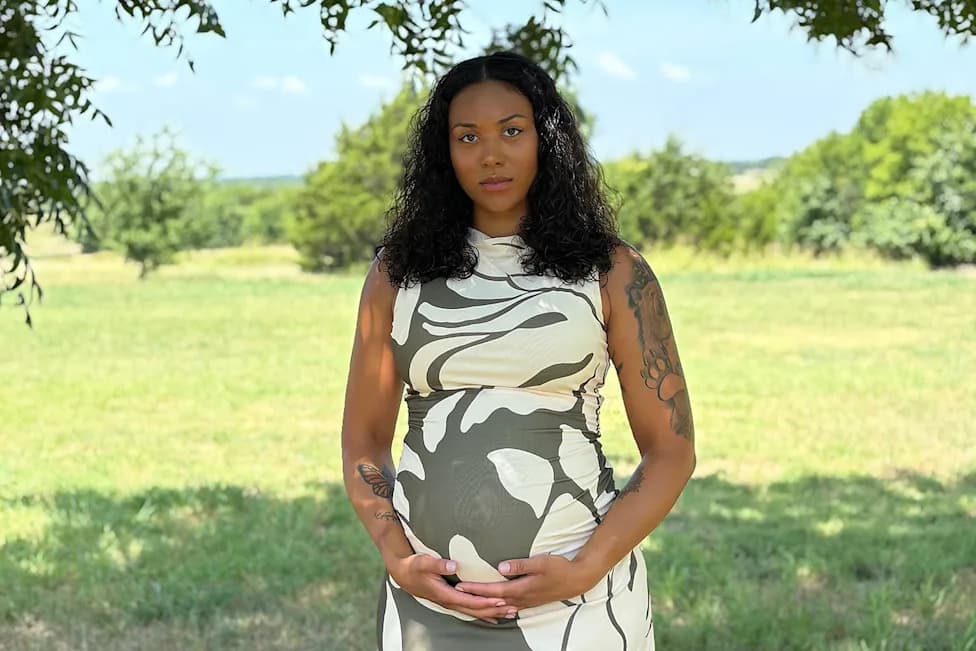
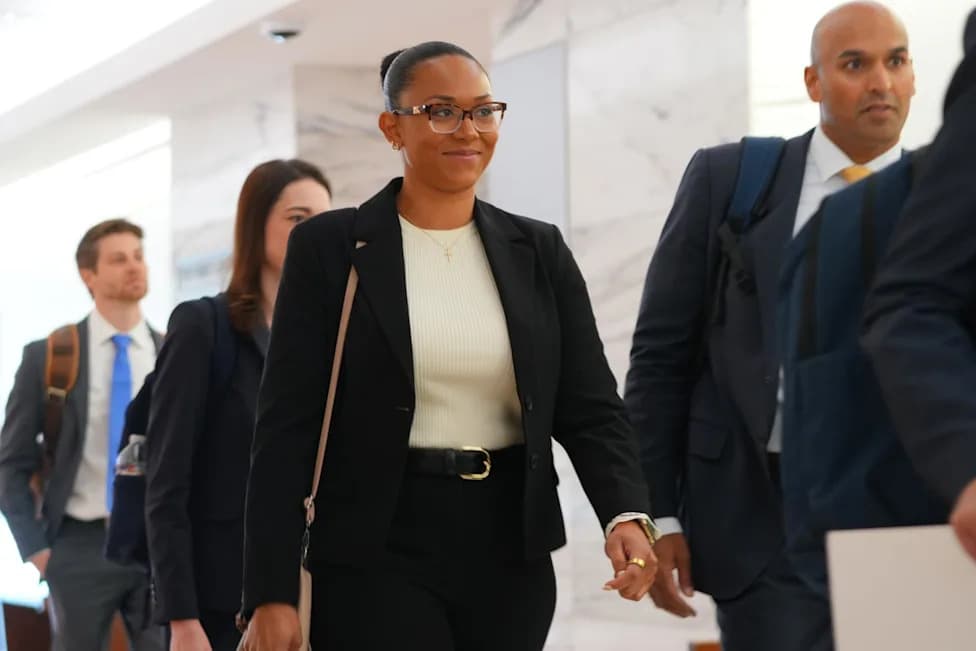
McKenna West. (Alliance Defending Freedom)
A newborn named Rumi, delivered by surrogate McKenna West in Texas, underwent a Norwood procedure Monday after being diagnosed in utero with hypoplastic left heart syndrome (HLHS), the biological parents' attorney said.
HLHS is a rare congenital condition in which the left side of the heart is underdeveloped. The Norwood operation is a complex, palliative surgery and is typically the first of three staged procedures performed in the early years of life for infants with this diagnosis.
The case became the center of a multistate legal dispute after West said she declined to terminate the pregnancy and later alleged that the biological parents repeatedly pressured her to do so. The parents, Omar Ahmed and Nausheen Gilkar, have denied any intention to refuse lifesaving care and say they arranged treatment for Rumi in California.
Before the birth, Texas Attorney General Ken Paxton intervened and asked a Texas court to order doctors to provide care for the infant, saying he feared the parents might refuse lifesaving treatment. The parents' attorney accused Paxton — who is running for the U.S. Senate and has taken a prominent anti-abortion stance — of turning the family's tragedy into "political theater."
"Rumi is now recuperating under the loving care of his parents and his heroic team of doctors, nurses, and medical staff," said Lee Budner, attorney for the biological parents, Omar Ahmed and Nausheen Gilkar. Budner also said the family is seeking privacy as Rumi recovers and that this will be the last health update they plan to share.
The parents have said in court filings that they respected West's decision when she declined to have an abortion and that West had been selected as a surrogate through an agency. Budner also said West continues to pursue custody claims he described as "baseless" and in violation of multiple court orders from Alaska and California.
HLHS often requires lifelong treatment, and many affected children face long-term challenges. According to the Centers for Disease Control and Prevention, about 925 babies are born with HLHS in the United States each year.
Rumi's condition remains critical and complex, and his family has asked for privacy while he begins his long road to recovery.
Help us improve.