McKenna West, an Alaska surrogate, has asked the U.S. Supreme Court for emergency relief after refusing a requested abortion following a fetal diagnosis of Hypoplastic Left Heart Syndrome (HLHS). She argues California courts improperly treated her jurisdictional challenge as consent, enabling an ex parte parentage judgment in favor of the commissioning parents. West warns the newborn could be moved from Texas to California for hospice care while she is excluded from medical decision-making, and she seeks an administrative stay by 1 p.m. ET on Tuesday as litigation continues.
Surrogate Asks Supreme Court To Halt Transfer Of Newborn After Refusing Abortion; Jurisdictional Fight Escalates

On Monday, the surrogate and her team expressed fears that the baby may be moved out of Texas earlier than she had expected.
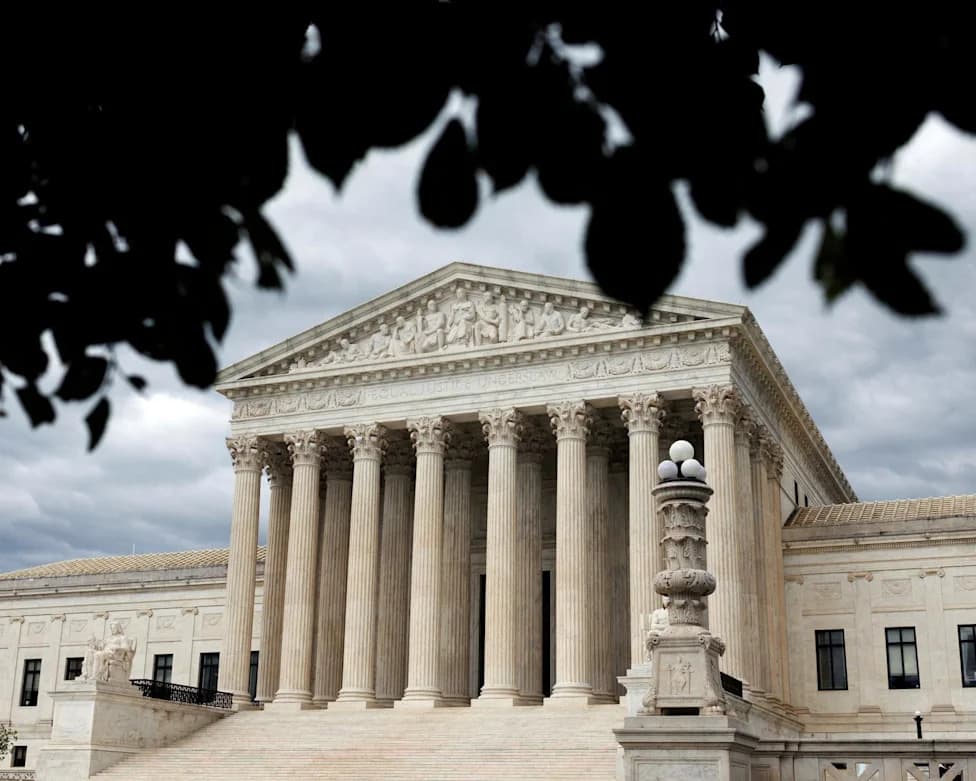
McKenna West, an Alaska resident who acted as a surrogate, has filed an updated emergency brief with the U.S. Supreme Court after earlier seeking emergency relief last week, saying the litigation over the infant’s care and legal status is accelerating.
What Happened
West became embroiled in a dispute with a California couple identified in court documents as the commissioning parties after she declined their request to terminate a pregnancy following a fetal diagnosis of Hypoplastic Left Heart Syndrome (HLHS), a serious congenital heart defect. Represented by attorneys from Alliance Defending Freedom and First & Fourteenth PLLC, West asked Justice Elena Kagan—who handles Ninth Circuit emergency matters—for an administrative stay and a stay pending a potential petition for certiorari.
Central Legal Claims
In her filing, West argues that California courts violated federal due process by treating her jurisdictional defense as a waiver of that defense. She contends that her special appearance in Los Angeles Superior Court to contest personal jurisdiction and to invoke a forum-selection clause requiring litigation in Alaska was improperly treated as a general appearance, leading the California court to enter an ex parte judgment of parentage in favor of the commissioning parents.
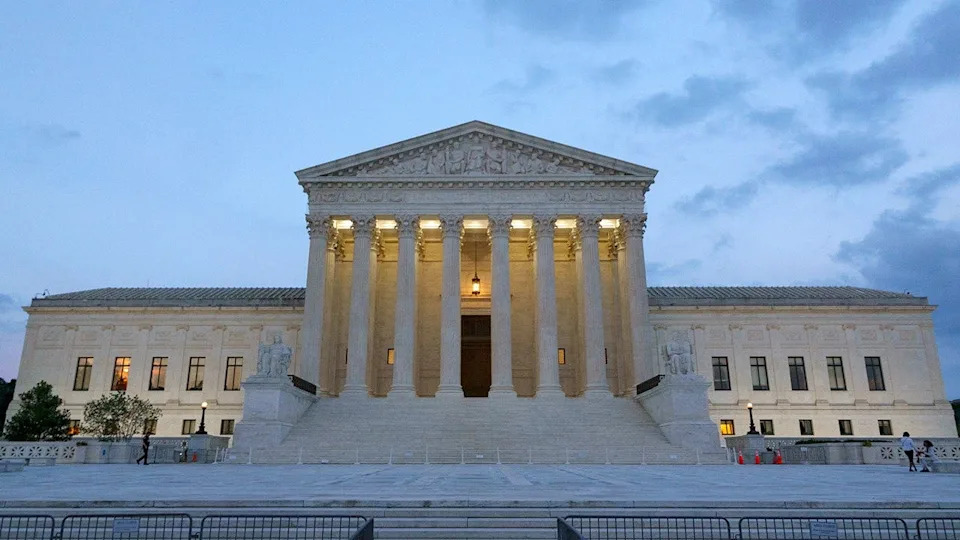
The surrogate is asking the high court for an administrative stay by 1 p.m. E.T. on Tuesday.
Immediate Concern: Transfer Of The Baby
West warns the high court that, without an administrative stay, the infant could be transferred from Texas to California for hospice care while she remains excluded from participating in medical decisions affecting the child. Her team told the Supreme Court the case is moving faster than expected and is seeking an administrative stay effective by 1 p.m. Eastern Time on Tuesday.
Relevant Timeline And Jurisdictional Actions
- West refused the parents' abortion request and traveled to Texas—where abortion restrictions are in place—to give birth and to secure specialized medical care for the newborn.
- The baby was born in Texas on Aug. 12.
- A California trial court entered an ex parte judgment of parentage naming the commissioning couple as the child’s legal parents after finding West’s jurisdictional filings amounted to a general appearance.
- A Texas court later recognized that California judgment and dismissed West from the Texas proceeding with prejudice.
- Before the California judgment, West had sought parentage and protective orders in both Alaska and Texas; the commissioning parents filed a parentage action in Los Angeles.
What West Is Asking The Supreme Court
West’s updated emergency filing asks Justice Kagan to impose an administrative stay halting enforcement of the California proceedings while the legal disputes over jurisdiction, parentage and medical decision-making are resolved. The filing emphasizes due-process concerns about being prevented from participating in crucial medical decisions for the infant.
All factual details above are drawn from court filings and contemporaneous news reports.
Help us improve.