Florida's primary contests are shaping up as one-sided affairs: Republicans hold commanding leads in both the U.S. Senate and gubernatorial races. Alexander Vindman is the heavy favorite in the Democratic Senate primary and would face Sen. Ashley Moody, who leads in general-election polling. Byron Donalds overwhelmingly dominates the GOP governor primary and is the frontrunner to beat Democrat David Jolly in November. The results reflect Florida's shift from a swing state to a reliably Republican state.
Florida Primaries: Republicans Hold Dominant Leads in Senate and Governor Races
AP
Florida — long a national swing state decided by tight margins — now looks firmly tilted toward Republicans as voters head to Tuesday's primaries. Across both marquee statewide contests, GOP contenders enter the ballots with substantial advantages in polls and betting markets.
Senate Race: Vindman Leads Democratic Primary; Moody Favored in General
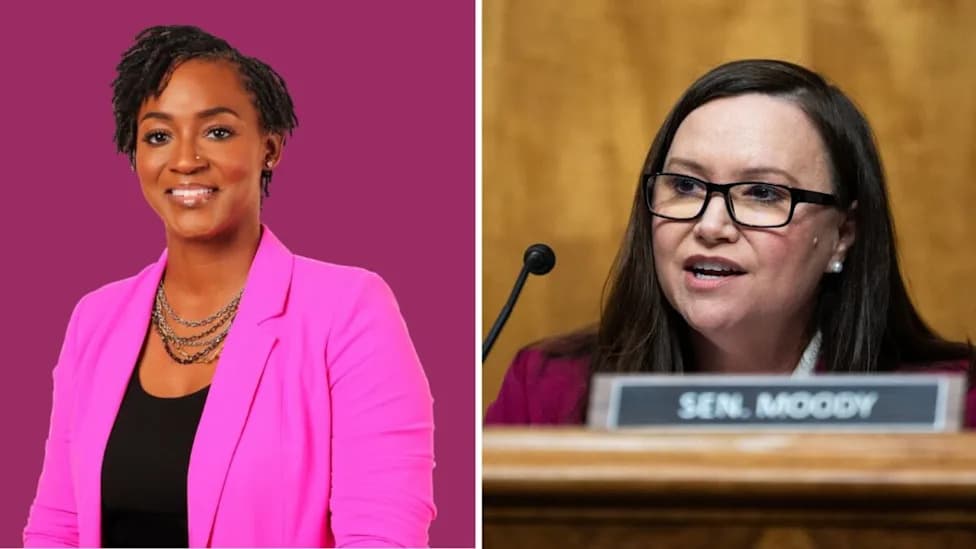
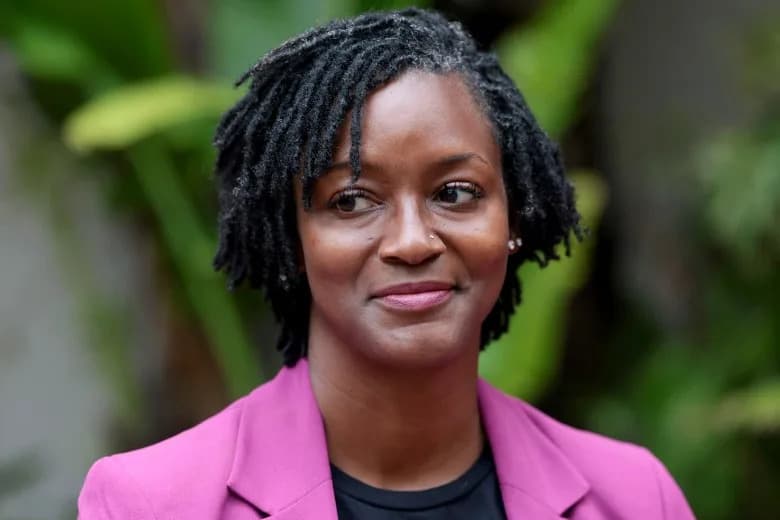
In the Democratic U.S. Senate primary, former National Security Council official Alexander Vindman is the clear frontrunner against state Rep. Angie Nixon. Vindman, who served as director for European affairs on the National Security Council from 2018 to 2020 and testified during President Trump's first impeachment, holds a commanding position: betting markets give him about a 94% chance to win the primary, and a July Change Research poll showed him up by roughly 10 points over Nixon.
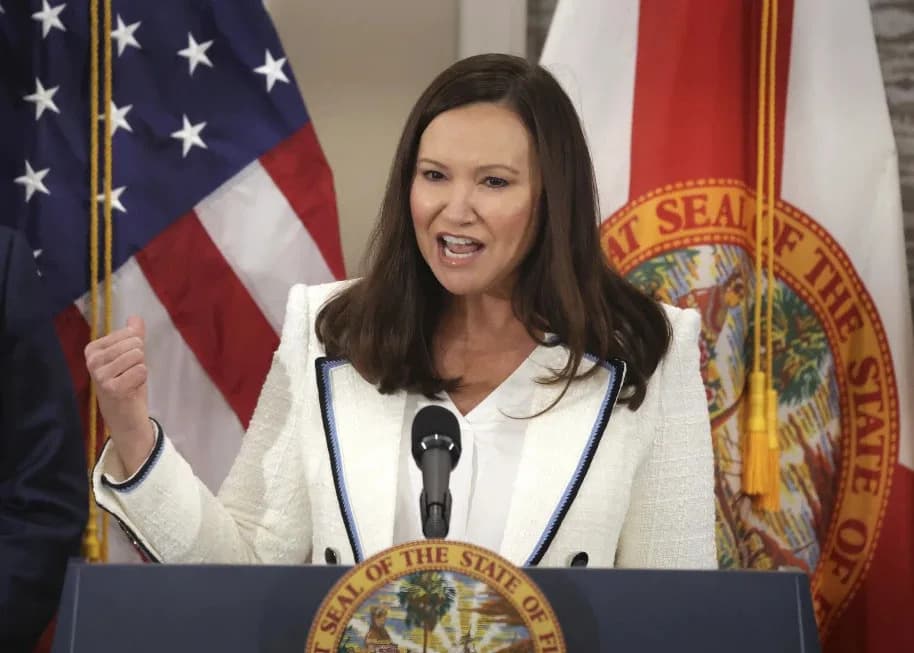
The Democratic nominee will face Republican Sen. Ashley Moody, Florida's former attorney general, who was appointed in 2025 to fill the seat vacated by Marco Rubio. RealClearPolitics polling averages show Moody leading both Vindman and Nixon by more than eight points, and Polymarket currently places Moody's probability of winning the general election at about 87%.
Governor's Race: Byron Donalds Dominates GOP Primary
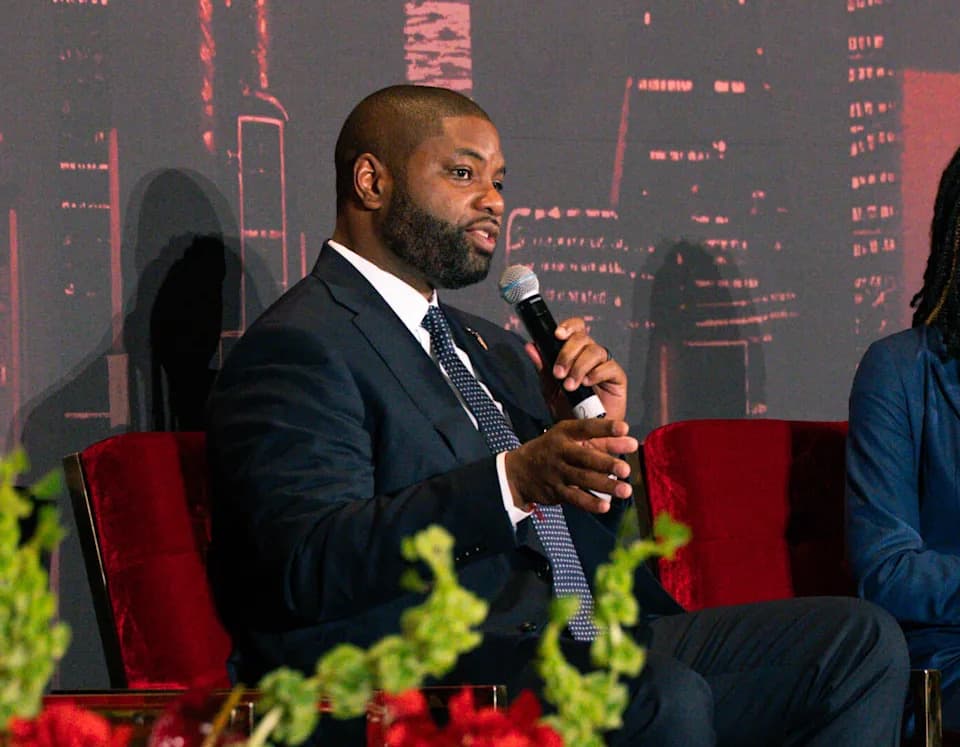
The GOP gubernatorial primary is similarly settled. U.S. Rep. Byron Donalds has consistently led Lieutenant Governor Jay Collins and investment executive James Fishback by at least 31 points in every recent poll counted in the RealClearPolitics average.
Fishback, who entered the race promising to preserve many of Governor Ron DeSantis' policies while pushing Donalds to the right on issues such as immigration and affordability, gained attention online but has not closed the gap. Early in the cycle he had about a 10% chance in betting markets; Donalds now sits near a 99% probability of winning the GOP nomination.
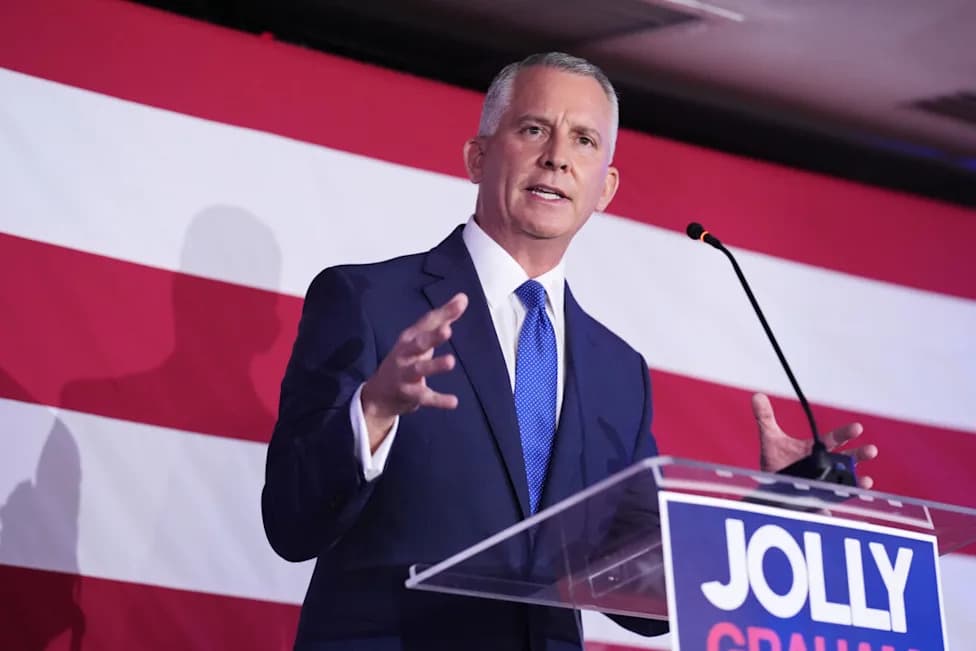
On the Democratic side, former U.S. Rep. David Jolly climbed to an easier path after his chief rival, Jerry Demings, withdrew in early June. Jolly leads other Democratic primary opponents by wide margins—typically 31 to 43 points in recent surveys.
Looking ahead to November, Donalds is heavily favored against Jolly: betting markets give Donalds roughly an 83% chance of victory, and a recent University of North Florida poll showed Donalds ahead by about five points.
What This Means For Florida—and Other Battlegrounds
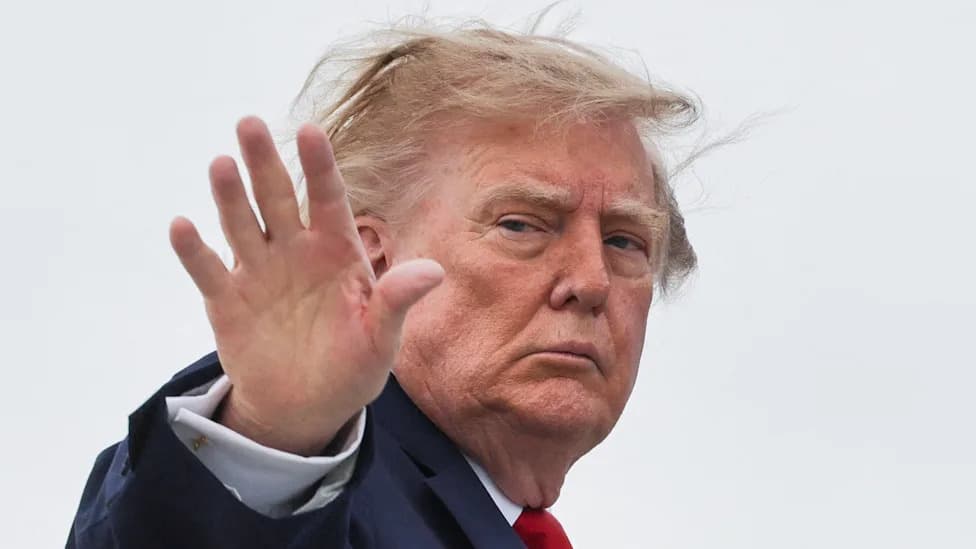
The 2024 rise of Donald Trump and Florida Governor Ron DeSantis helped accelerate the state's rightward shift, turning what was once a pivotal swing state into a more reliably Republican one. Other former battlegrounds have moved rightward too, though not uniformly: Ohio and Iowa, which were swing states as recently as 2016, are now Republican-leaning but still host relatively competitive Senate matchups. Betting markets still give Democratic Senate contenders in those states better than a 40% chance, even after Trump carried Ohio by about 11.2 points and Iowa by about 13.2 points in 2024; RealClearPolitics averages show those Senate races within roughly a point.
Bottom line: Tuesday's primaries in Florida look likely to deliver Republican nominees who enter November with substantial advantages, reflecting a broader partisan realignment in the state.
Help us improve.