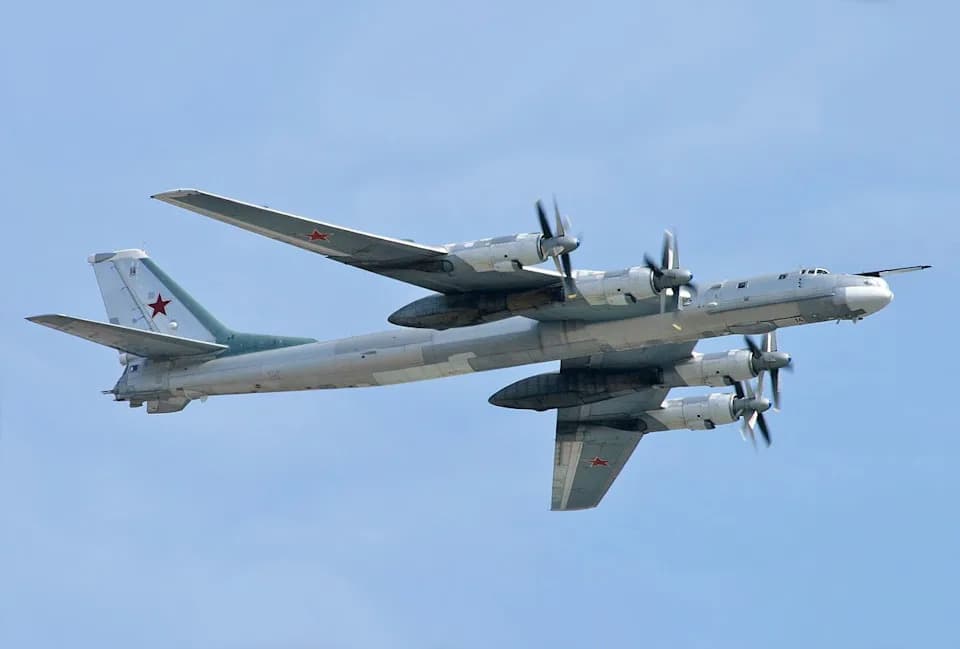
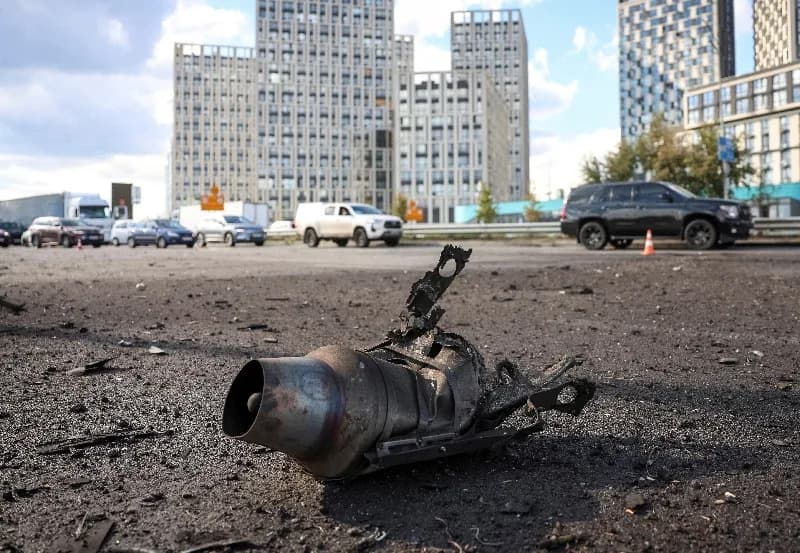
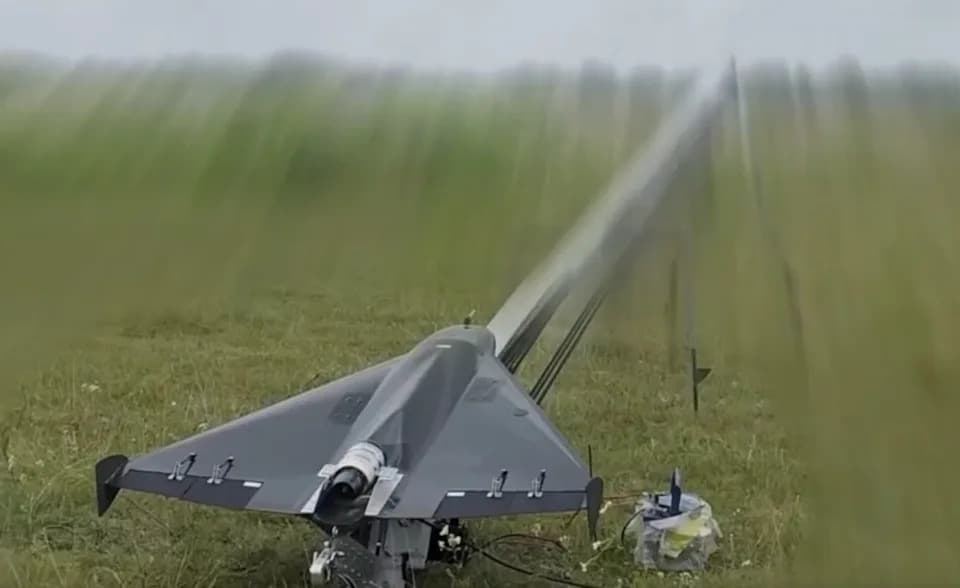
Ukrainian attack drones damaged a Russian Tupolev Tu-95 strategic bomber during a July 16, 2026 strike on the Engels‑2 air base in western Russia. Video of the aftermath assessed by Ukraine’s State Security Service (SBU) showed heavy damage to the Tu‑95, which the SBU described as having its tail section torn off.
How The MICH 2000 Emerged
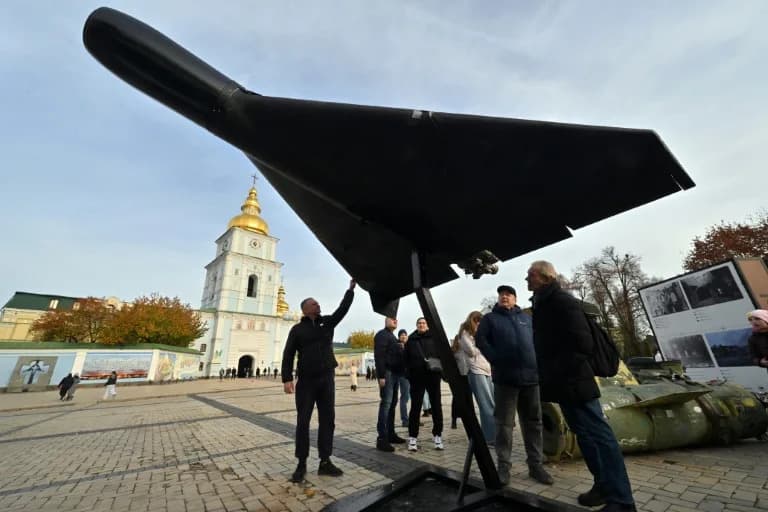
The drones used in the strike were locally produced MICH 2000s. Technical similarities link the design to China’s ZTK‑150 — a model Beijing has reportedly blocked from export since 2023 — but Kyiv’s MICH 2000 is not a direct import. According to reporting by Euromaiden Press and other outlets, efforts to acquire ZTK‑150s in 2023 stalled after factory management refused sales because of export restrictions.
Transfer, Training, And Reverse Engineering
Reports say intermediaries arranged for eight ZTK‑150 units to be shipped to an assembly point in a country without export restrictions, where Ukrainian personnel received training. An anonymous source quoted by Euromaiden Press said visitors documented production details while training: "We came there to teach pilots to fly Chinese drones. And in parallel with the training, we photographed everything that was there. Everything from the production process to the arrangement of the shelves and cabinets. They flew home with trained pilots and eight Chinese drones."
From Copy To Customized System
Ukrainian developers adapted the knowledge gained from those visits to produce the MICH 2000 family. While the basic MICH 2000 reportedly sells for about $48,000 versus roughly $50,000 for the ZTK‑150, developers emphasize that resemblance is largely external. The Ukrainian variants are described as incorporating battlefield-driven modifications, including a variety of warhead options, extended fuel tanks, electronic‑countermeasure protection, and multiple communications suites (analog, digital and even Starlink integration).
Scale And Operational Impact
Anonymous industry reports cited by media claim production at an assembly site of roughly 6,000 MICH 2000 units per year, with potential scale‑up to 10,000. If sustained, that rate of production and the platform’s modularity could significantly increase the frequency and variety of Ukrainian UAV strikes against fixed Russian targets.
Note on Sources: Several key claims in this account come from reporting by Euromaiden Press and anonymous sources. The SBU provided the assessment of damage to the Tu‑95. Some details — especially those about covert transfers and exact production figures — are difficult to independently verify and should be treated with caution.
Bottom Line: The MICH 2000 appears to be a Ukrainian adaptation inspired by the Chinese ZTK‑150 platform. Whether by industrial transfer, reverse engineering or a mix of both, Kyiv’s modifications and reported production scale suggest these drones could play an increasingly important role in strikes on high‑value, fixed air assets.