Drone‑As‑First‑Responder systems use weather‑sealed rooftop or pole docks to auto‑launch drones in response to qualifying 911 calls, streaming live video to dispatch while patrols are en route. Cities and vendors report response times measured in seconds to minutes, and large deployments such as Wuhan’s 146‑dock network show how emergency tools can scale into persistent urban sensors. When drones are linked to cameras, ALPRs and AI dispatch, the surveillance footprint and data persistence grow rapidly. Civil‑liberties groups warn that procurement rules, data‑retention policies and independent oversight must keep pace to prevent these systems from becoming the default city sensor layer.
Rooftop Drone Police Stations Are Already Watching Cities — Is Oversight Keeping Up?
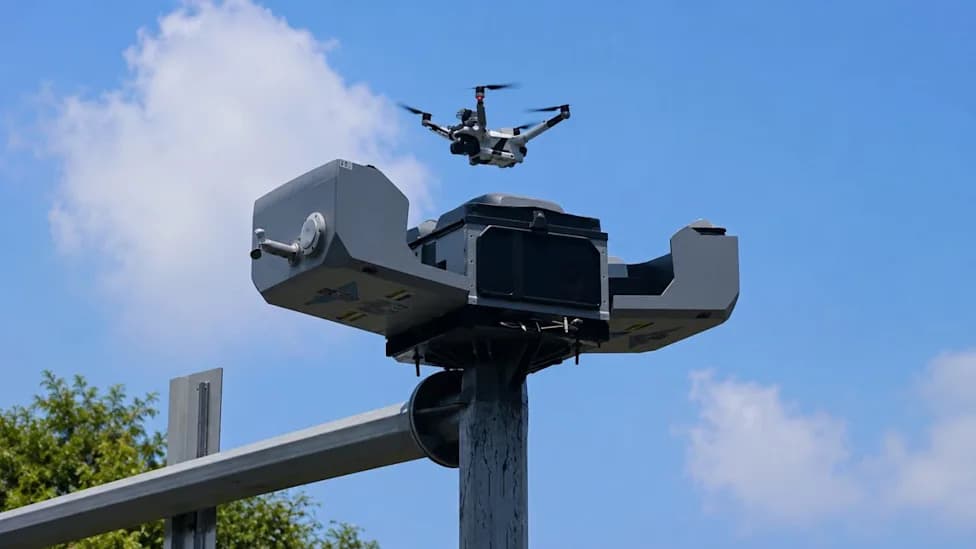
Image: X@RedpillDrifter
A 911 call drops and, before any officer starts the patrol car, a rooftop drone is already aloft, streaming live video back to a command centre. There is no manual launch, no officer standing at the takeoff point — just automated infrastructure responding while units are still en route. This rooftop-dock, auto-launch model is not a futuristic thought experiment: versions of it are operating now in cities across the U.S., the U.K., the UAE and China.
What Is Drone‑As‑First‑Responder (DFR)?
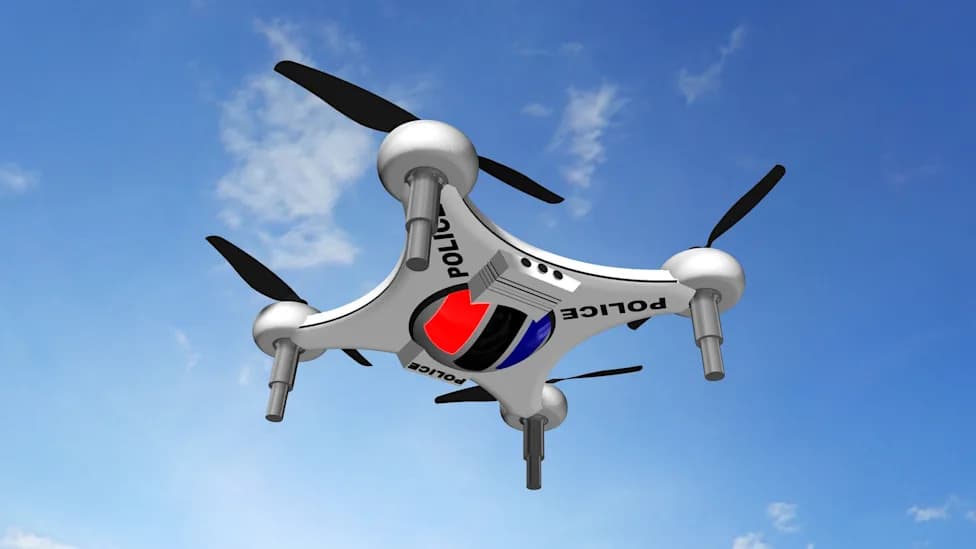
Drone‑As‑First‑Responder (DFR) refers to weather‑sealed rooftop or pole-mounted docks that automatically launch a drone in response to qualifying emergency calls. The drone streams live footage to dispatch and command teams while ground units are still driving to the scene, providing immediate aerial situational awareness.
How Fast Are These Systems?
Deployment claims vary: Yonkers, New York, reports that docked drones can reach any point in the city in under three minutes, while vendors such as BRINC advertise sub‑70‑second response targets for select 911 scenarios. These figures depend on local geography, drone performance and the placement of docks, but they point to a dramatic reduction in the time until aerial eyes are on scene.
From Manual Launches To Automated Infrastructure
Traditional police drone use required an officer to retrieve, configure and pilot the vehicle on site. DFR removes the need for anyone at the physical launch point. London’s Metropolitan Police, for example, store drones in rooftop containers that can be activated remotely so officers and control centres can view live footage before patrols arrive. MITRE has described these systems as delivering "real‑time situational awareness to first responders," a benefit proponents emphasise and critics say is often presented without equal weight given to civil‑liberties risks.
Scale Changes The Debate
Scale matters. Wuhan’s "Urban Smart Eye" network operates 146 automated drone docks across the megacity for cross‑department use — traffic enforcement, environmental inspection and broader municipal management. When DFR is scaled city‑wide and repurposed across departments, it changes the notion of what emergency‑response infrastructure looks like and how persistent that surveillance can become.
Connected Systems, Expanded Reach
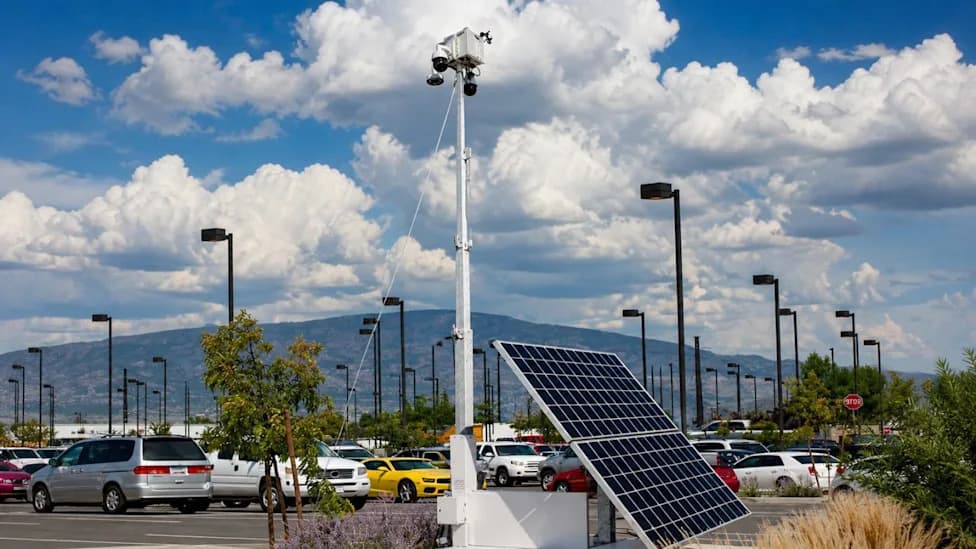
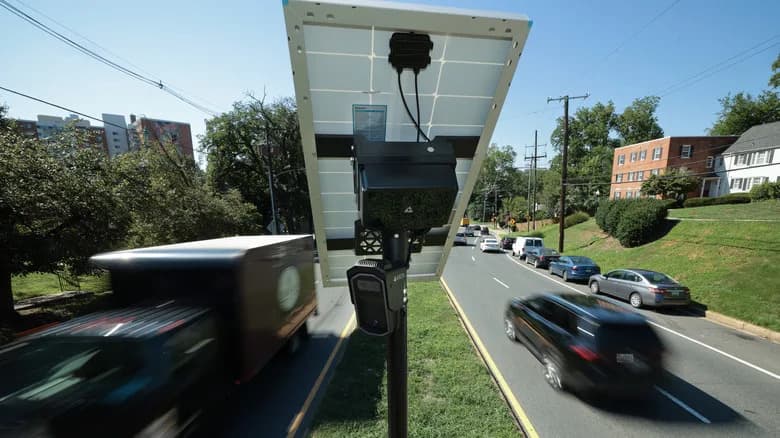
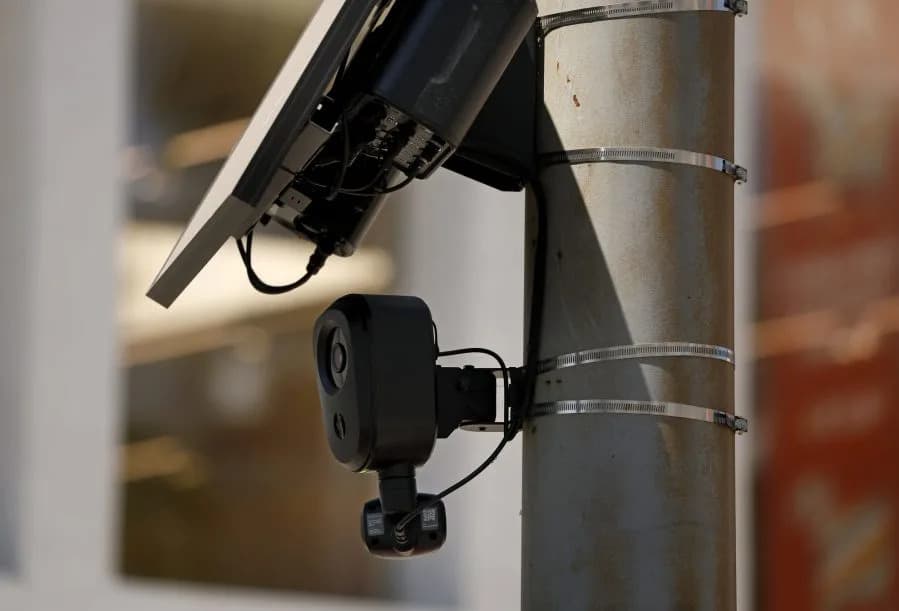
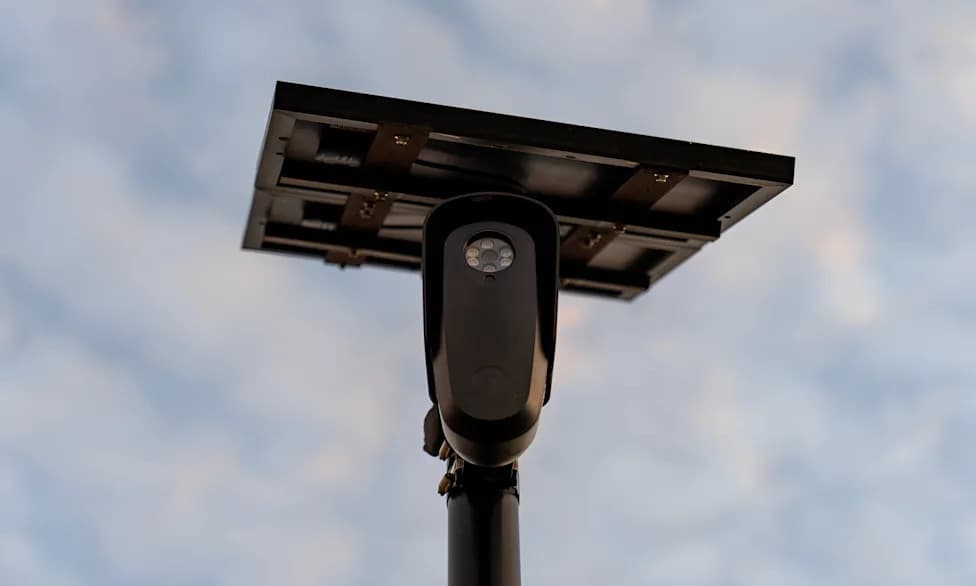
DFR nodes rarely exist in isolation. They are typically integrated with dispatch software, AI camera feeds, license‑plate readers (ALPRs) and command‑centre systems. Companies such as Flock Safety sell fixed ALPRs that capture publicly visible vehicle data and offer configurable retention settings and audit logs. Critics argue that each connection—drones, cameras, ALPRs, AI dispatch—expands the monitoring network’s reach and persistence, producing a fast, airborne analogue of the neighbourhood surveillance grids formed by doorbell cameras.
Public Tools And Pushback
Communities and researchers have started mapping and tracking surveillance infrastructure. Tools like DeFlock provide crowdsourced, open‑source maps that help residents identify drones, docks and cameras in their neighbourhoods. Civil‑liberties groups and privacy researchers warn Western deployments risk following the same trajectory as large Chinese city programs unless procurement rules, data‑retention policies and independent oversight develop alongside the technology.
Policy Choices Ahead
The physical infrastructure for rooftop‑launched, automated police drones is already being installed in many cities. The urgent public policy question is whether procurement standards, clear limits on data collection and retention, and meaningful public oversight can be established quickly enough to keep these systems bounded as emergency tools — before they become the default, always‑on sensor layer of urban life without an explicit public mandate.
Bottom line: DFR can speed first‑response situational awareness, but its integration with other surveillance systems raises significant civil‑liberties and governance questions that cities must answer now.
Help us improve.