Summary: The author argues that Donald Trump’s second-term conduct—ranging from reported personal enrichment and contested IRS deals to alleged emoluments violations, crypto-favored policies, attacks on the press, and deadly strikes—could constitute numerous impeachable offenses. Yet Senate conviction is unlikely because removal needs a two-thirds vote. The article concludes impeachment may be justified as a strong investigatory and public-education tool but warns repeated partisan impeachments risk political backlash; ultimately, electoral defeat of "Trumpism" is presented as the decisive remedy.
Too Many High Crimes? The Case For — and Against — a Third Trump Impeachment
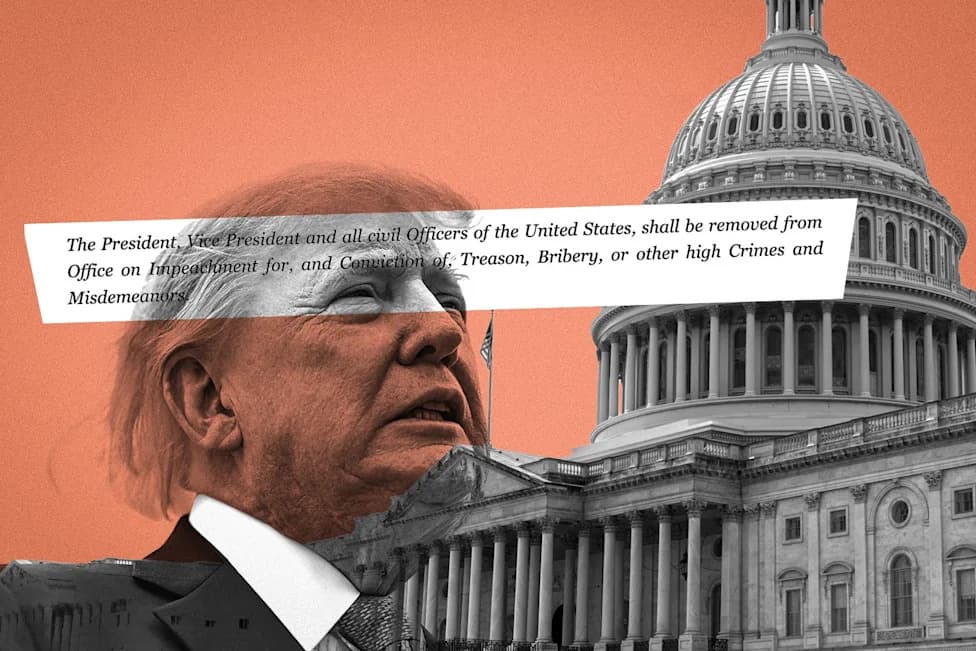
Donald Trump Has Committed Too Many High Crimes to Count. But Should Democrats Really Impeach Again?
If Democrats reclaim the House, grassroots pressure to open a third round of impeachment proceedings against Donald Trump is likely to be intense. This article reviews the legal arguments that Trump’s second-term conduct could be impeachable and weighs those claims against the political realities that make Senate conviction unlikely.
Overview
The constitutional standard for impeachment—"treason, bribery, or other high Crimes and Misdemeanors"—is intentionally broad and political. Historical practice and Framers' intent show it covers corruption for private gain, serious criminality, direct breaches of constitutional provisions, and efforts by a president to subvert the constitutional order. By that metric, many commentators conclude Trump’s second-term conduct fits within impeachable conduct. But legal merit and political feasibility are separate questions.
Alleged Impeachable Conduct (Second Term)
The following summarizes the principal allegations described by the author, given as reported or alleged where appropriate:
- Massive Personal Enrichment: Reports claim Trump earned approximately $2.24 billion in the first year after his 2025 inauguration, much of it allegedly tied to the presidency through settlements, favored contracts, and other advantages.
- Contested IRS Settlement: An arrangement that reportedly purports to immunize Trump and family members from certain federal tax audits could, if true, erase a pending tax liability estimated at roughly $100 million and has been described by critics as potentially unlawful.
- Monetizing Official Information: The for-profit Truth Social platform has been used to announce government policies, and a paid API reportedly provided early access to statements to paying institutions—an arrangement critics say monetizes privileged official information.
- Crypto Gains and Deregulation: Reporting links more than $1.4 billion in crypto-related gains to deregulatory steps, pardons for convicted crypto executives (including figures associated with Binance), and arrangements with foreign and opaque private actors.
- Emoluments And Foreign Deals: Allegations include millions paid to Trump properties by officials and lucrative Trump Organization deals with entities backed by foreign governments; critics point to these as potential violations of the domestic and foreign emoluments clauses.
- Usurpation Of Congressional Fiscal Powers: Repeated tariff actions and unilateral canceling or withholding of funds are alleged to intrude on Congress’s Article I authority over taxation and spending.
- Property Clause And Appropriations Concerns: A high-profile construction project at the White House East Wing—reported to cost roughly $900 million and begun without congressional approval—raises questions about the property clause and appropriations law.
- Attacks On Press And Civil Liberties: Lawsuits, threats to broadcast licenses, public labeling of political opponents in ways that could chill speech, and threats to cut funding to institutions permitting demonstrations are cited as assaults on First Amendment norms.
- Deadly Strikes And Use Of Force: Reports that repeated missile and drone strikes in the Caribbean and eastern Pacific—authorized on suspicion of drug smuggling—killed over 200 people prompt serious legal and human-rights concerns.
- Undermining The Rule Of Law: Critics say the administration has weakened neutral enforcement institutions, politicized prosecutions and pardons, and asserted that the president’s legal views bind executive employees—actions that, together, threaten checks and balances.
- Pardons Related To Jan. 6: On his first day of a second term, Trump reportedly pardoned or commuted sentences of Jan. 6 defendants, conduct several Framers indicated could warrant impeachment when used to protect co-conspirators.
The Political Reality
Even if the House approves articles of impeachment, removal requires a two-thirds Senate vote (67 senators). Given contemporary party polarization, the pragmatic hurdle is steep: a Democratic Senate majority alone is unlikely to secure conviction without substantial Republican defections. Historical precedent—only seven Republicans voted to convict in 2021, and many of those members are no longer in the Senate—illustrates how thin the path is to removal.
Why Pursue Impeachment If Conviction Is Unlikely?
There are two principal public goods a House impeachment can serve besides removal:
- Enhanced Investigative Power: An impeachment inquiry strengthens Congress’s ability to compel documents and testimony, offering tools that ordinary oversight often lacks.
- Public Education And Record: Impeachment proceedings create a high-profile public forum to present evidence and explain complex abuses to voters, which may shift public opinion or influence future elections.
Risks And Tradeoffs
Impeachment risks being viewed as partisan theater, particularly after two prior impeachments in recent years. If widely perceived as reflexive or vindictive, a third impeachment could blunt the political impact of the allegations, energize defenders, and even depress opposition turnout. Lawmakers must weigh the benefit of exposing misconduct against the possibility of alienating undecided voters.
Conclusion
The case that Trump’s second-term conduct includes multiple potentially impeachable acts is strong on legal and historical grounds. But impeachment is a political remedy; it is effective only insofar as it solves the underlying political problem. If the goal is removal, conviction is unlikely. If the goal is robust investigation and public exposure, impeachment may be justified—but only if it is pursued strategically, with clear communication about purpose and standards to avoid reinforcing partisan cynicism. Ultimately, the article argues, the most durable remedy to "Trumpism" will be electoral: voters must decide at the ballot box.
Note: This piece summarizes reported and alleged conduct described by the author. Where claims are contested, terms such as "reported" or "alleged" are used to reflect unresolved factual or legal disputes.
Help us improve.