Texas is emerging as a national leader in renewable energy despite its strong support for President Trump. A 1.2 GW solar farm with about 1.6 GWh of battery storage and a price tag near $1.7 billion is under construction on a former coal site; the state will also host the world’s largest carbon-removal plant by year-end. Decades of market-oriented policy, favorable geography, and local economic incentives — not partisan environmentalism — drove the rise of wind and solar in Texas. Federal delays on wind projects contrast with strong local support from voters and industry.
How Trump Country Became a Renewable Energy Powerhouse
The Very Trumpy State That Leads the Country in Renewable Energy
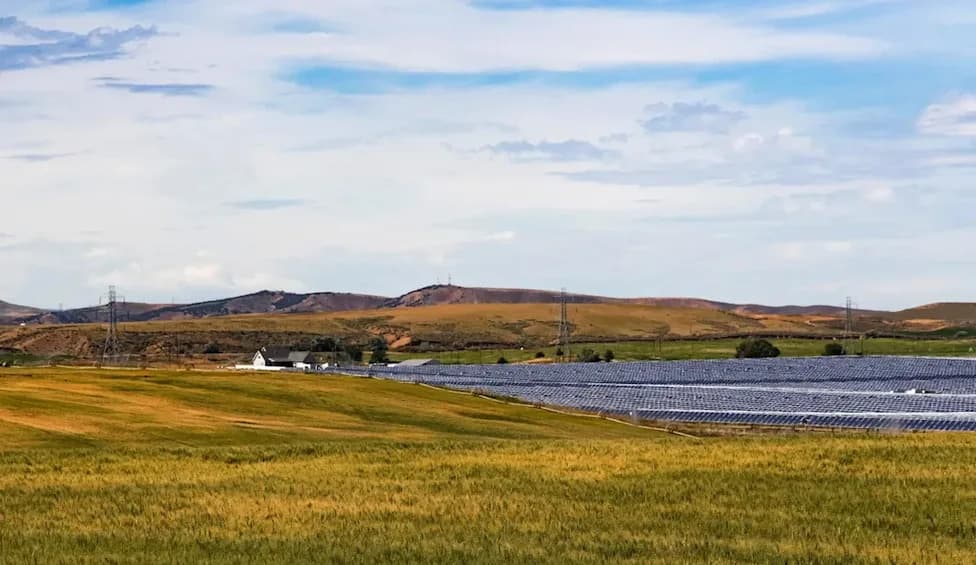
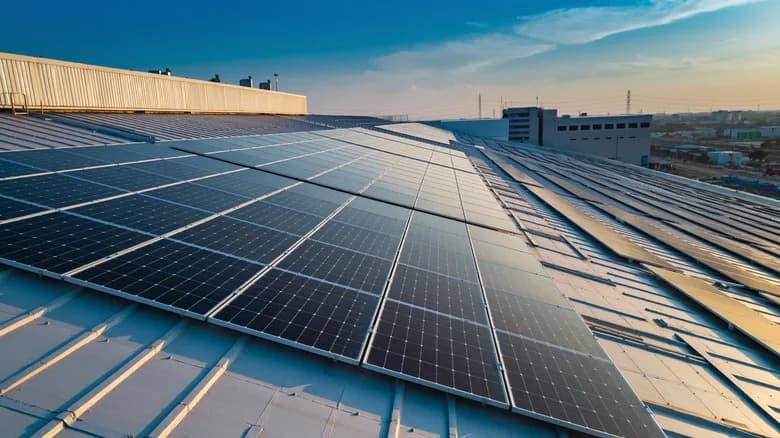
Turning former coal mines into massive solar farms sounds like a modern paradox — and it's happening in the United States under President Trump. In late April construction began in Texas on a 1.2-gigawatt solar installation on a brownfield site that will be among the nation's largest clean-energy projects and the biggest solar development built on a former industrial site in North America. The project, valued at about $1.7 billion, is paired with roughly 1.6 gigawatt-hours of battery storage and is expected to begin producing power in about a year.
Big Milestones, Important Caveats
Texas is also slated to host the world’s largest carbon-removal plant by year-end — another headline-grabbing development. Important caveats remain: the surface coal mine and an adjacent coal-fired power plant at Bremond (between Dallas and Houston) will continue to operate alongside the new solar field, and many climate scientists and environmental experts remain skeptical about whether large-scale carbon removal can materially solve the climate crisis.
Why Texas Leads the Nation
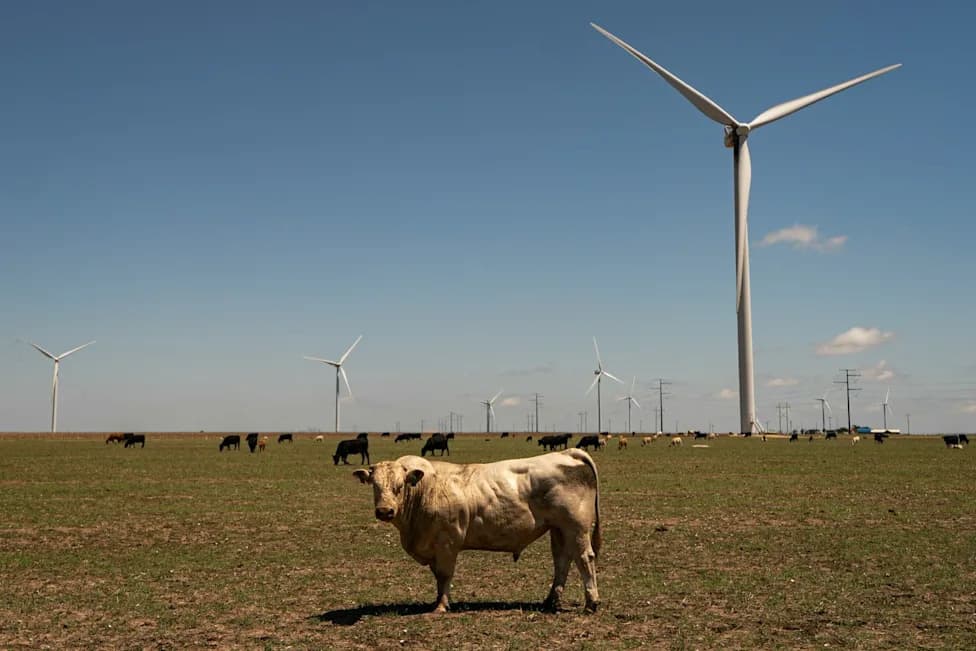
Geography matters: Texas is exceptionally sunny and windy. But policy and market choices made over decades transformed that natural advantage into a national lead. The state produces more wind power than any other U.S. state by a wide margin and ranks second in solar generation, behind California. Texas now generates enough solar electricity to power the equivalent of roughly half the state's homes.
Policy, Markets, and Leadership
Two Republican leaders helped shape Texas's market-based approach: a Midland native, George W. Bush, enacted reforms that broke up local electricity monopolies and created incentives for new generation; his successor, Rick Perry, presided over rapid industry expansion. In 2005 the Legislature set long-term renewable targets that the state exceeded well ahead of schedule — by 2010 — and wind capacity has since multiplied several times over.
Michael Osborne, cofounder of the Texas Renewable Energy Industries Association, summarized the approach succinctly: he 'used the green that Republicans relate to' — framing renewable growth through business and savings rather than climate rhetoric.
Federal Pushback and Local Resistance
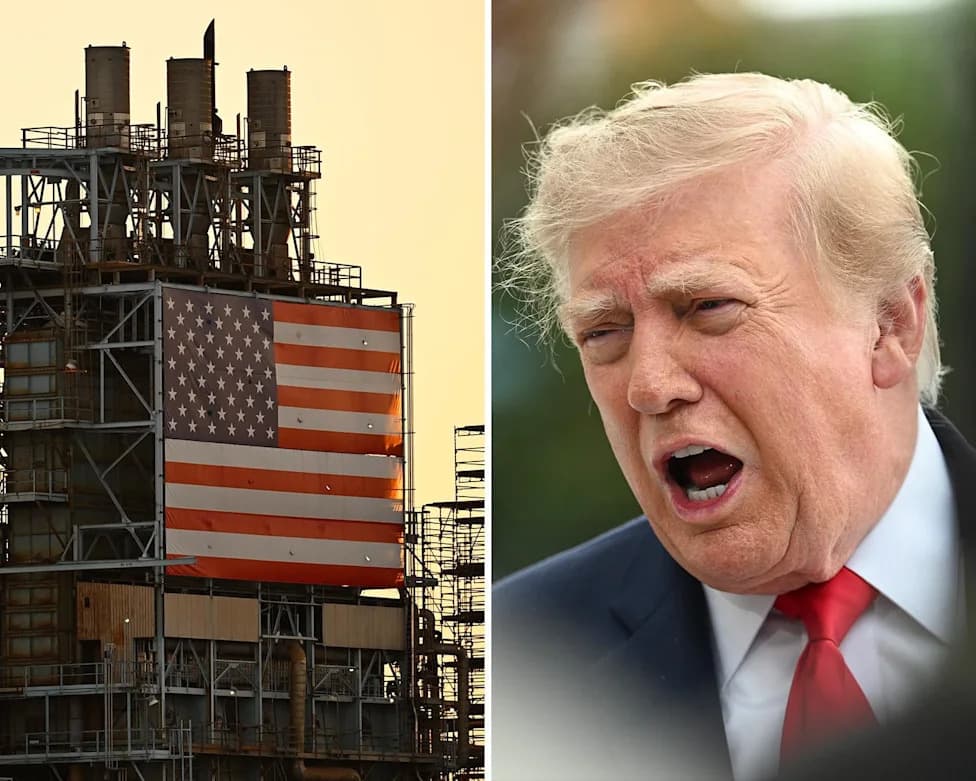
The federal government under President Trump has pushed back against wind power. The Defense Department raised national-security concerns that critics say were weak or unfounded, helping to delay more than 150 onshore wind projects nationwide; a federal judge recently ordered that the freeze be lifted. A Senate investigation also found the administration offered billions to companies to abandon some planned wind farms — projects that senators said would have powered millions of homes and created tens of thousands of jobs. In Texas specifically, roughly 54 wind projects were affected by the federal delays.
State Politics Remain Pragmatic
Despite being a deeply pro-Trump state politically, Texas has largely resisted anti-renewables sentiment. Recent attempts by some state legislators to curb renewable development failed, although proposals to protect fossil-fuel interests (including a suggested quota this year) reflect ongoing tensions. Still, public opinion and industry incentives tilt toward renewables: about 60% of Republican voters in Texas support renewable energy, and the oil-and-gas sector itself increasingly relies on renewables to lower operating costs.
Beyond Texas
Conversions of former coal sites to solar-plus-storage are not unique to Texas — similar projects are moving forward in Illinois, Kentucky, Tennessee, Virginia, and Louisiana. Rural areas across the country see practical benefits from renewables: new revenue for landowners, lower energy bills, and local jobs. That practical, profit-driven dynamic helps explain why many Republican voters and local businesses back renewables even when national rhetoric is hostile.
Bottom line: Texas’s renewable leadership is the product of geography, decades of market-oriented policy, and practical economics. The state’s experience suggests that financial incentives and local benefits can outweigh partisan opposition — a pattern that may spread to other conservative states.
Help us improve.