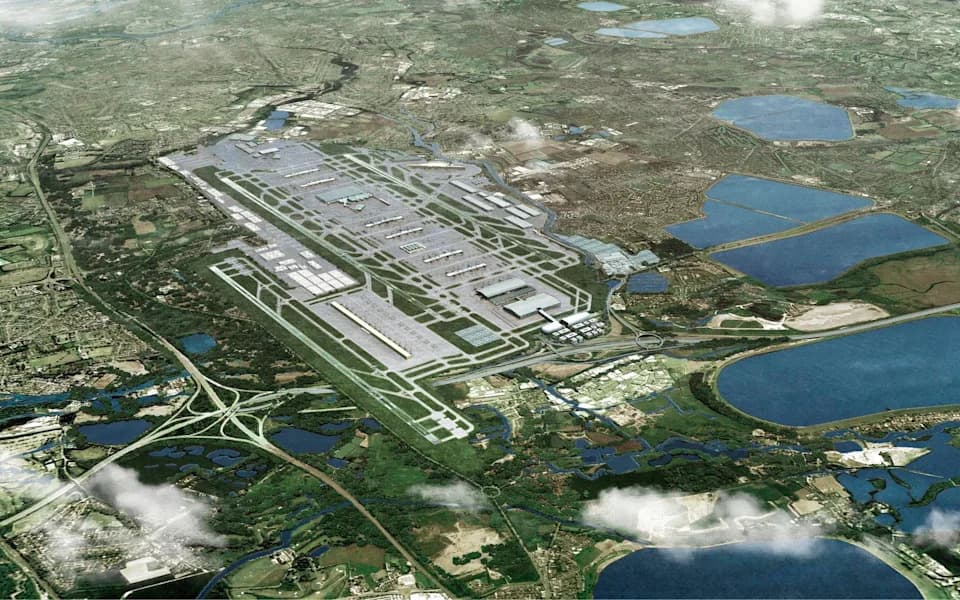
Gatwick has told MPs that the Government's draft planning framework for Heathrow's proposed third runway would leave many households undercompensated for aircraft noise. Gatwick says it would offer up to £6,500 for high‑noise homes and £4,500 for lower‑noise zones, while the Heathrow figure in the draft is £3,000 and some people would get nothing. The dispute was raised in evidence to the transport select committee as part of scrutiny of the £49bn plan to boost Heathrow capacity from about 84m to 150m passengers a year.
Gatwick Warns Thousands Near Heathrow Will Be 'Short‑Changed' On Runway Noise Payments
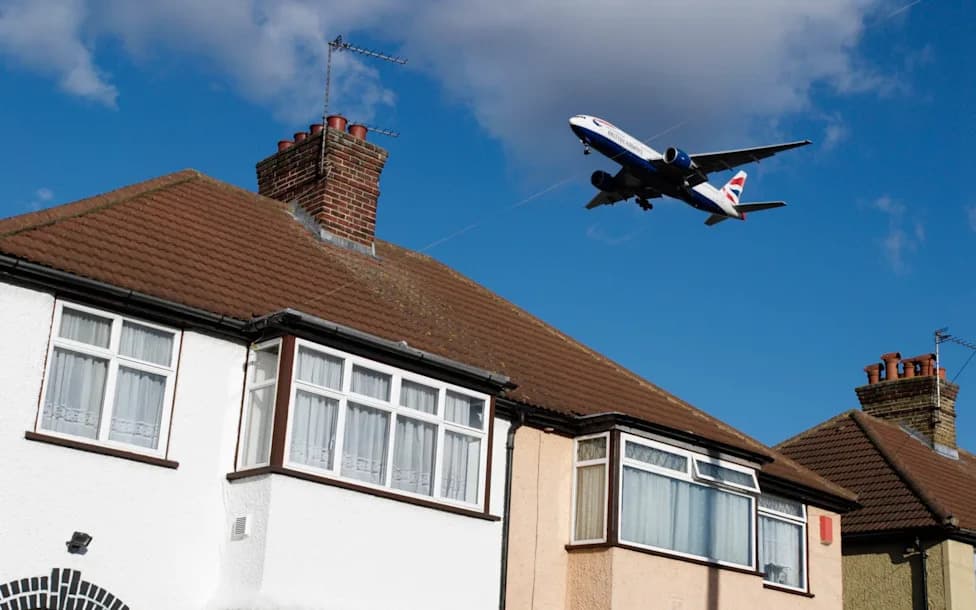
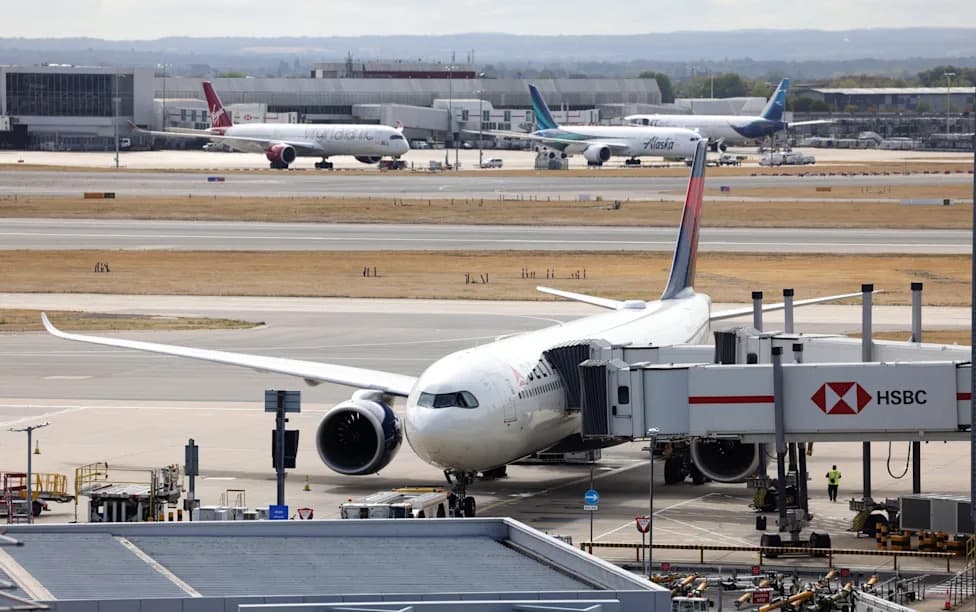
Heathrow admitted that Gatwick was offering 'slightly higher' compensation in low-noise areas - Hulton Archive/Getty
Rival airport Gatwick has told MPs that thousands of households around London Heathrow could be undercompensated for aircraft noise if the proposed third runway goes ahead. Gatwick says the Government's draft planning framework sets lower noise‑insulation payments for Heathrow than those Gatwick proposes for its neighbours.
Gatwick told the transport select committee that it would offer up to £6,500 per household for high‑noise areas and £4,500 for properties exposed to lower—but still significant—levels of aircraft noise. By contrast, Gatwick said the figure set for Heathrow under the draft framework is £3,000, and that some groups would not be eligible for any payment.
“Unless these inadequacies are addressed, hundreds of thousands of residents stand to be significantly disadvantaged because they live near London Heathrow,” Gatwick told MPs.
Gatwick highlighted that changes to flightpaths required by a third runway would newly overfly some communities. For those newly affected residents, Gatwick warned, “the offer of adequate acoustic insulation will be critical to properly mitigating newly experienced effects,” and argued there should be no upper cap on compensation in the worst‑affected areas.
The claims appear in written evidence submitted to Parliament's transport select committee as it examines the draft Heathrow expansion national policy statement published by the Department for Transport in June. The policy statement is intended to speed up the long‑delayed expansion by defining the need for extra flights and the economic, social and environmental conditions any scheme must meet.
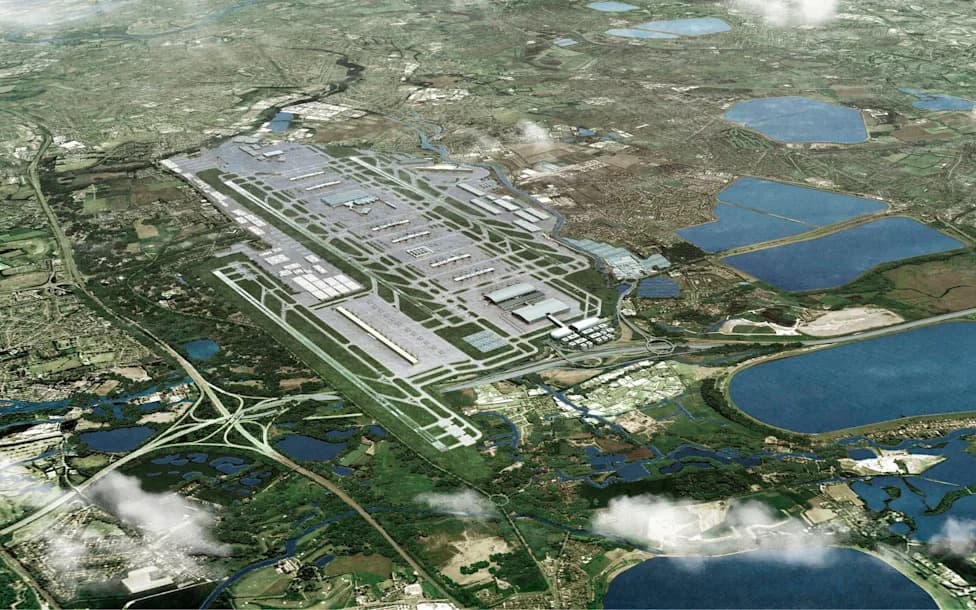
The proposed third runway is central to a £49bn programme that would increase Heathrow's annual passenger capacity from about 84 million to roughly 150 million—an almost 80% rise. Gatwick told the committee the number of people affected by noise at Heathrow is roughly 20 times higher than at Gatwick, meaning any unequal treatment would affect a very large population.
In a separate submission, the Mayor of London, Sir Sadiq Khan, questioned the need for a third runway, saying the “case for expansion at Heathrow has not been sufficiently made.” He argued that demand for business travel is weakening and that additional capacity would also come from a new Gatwick runway and expansions at Stansted, Luton and London City.
Heathrow acknowledged Gatwick’s claim that it proposes slightly higher payments in lower‑noise areas but pointed to differences in operating environments. A Heathrow spokesman said Gatwick operates around the clock with no night‑flight ban and that much of Gatwick's surrounding area is rural, while “Heathrow's offer of fully funded insulation applies to a wider area than Gatwick's, benefiting more of those most affected by noise,” adding that insulation schemes must be adapted to local impacts.
The transport select committee will continue to scrutinise the draft national policy statement as it decides whether the framework suitably protects communities affected by expansion at Heathrow.
Help us improve.