Researchers at Imperial College London surveyed 135,725 adults in England and found nearly one in six reported feeling lonely "often or always." The INTERACT study found that the COVID-19 pandemic increased loneliness for about 44% of respondents and increased isolation for 48.2%. Loneliness was often higher in large cities — an "urban paradox" that suggests urban living can coincide with weaker social connections. Authors urge community-level public health responses and note study limitations including sample bias.
One in Six Adults Often Feel Lonely — Study Finds Lasting COVID Impact and an 'Urban Paradox'
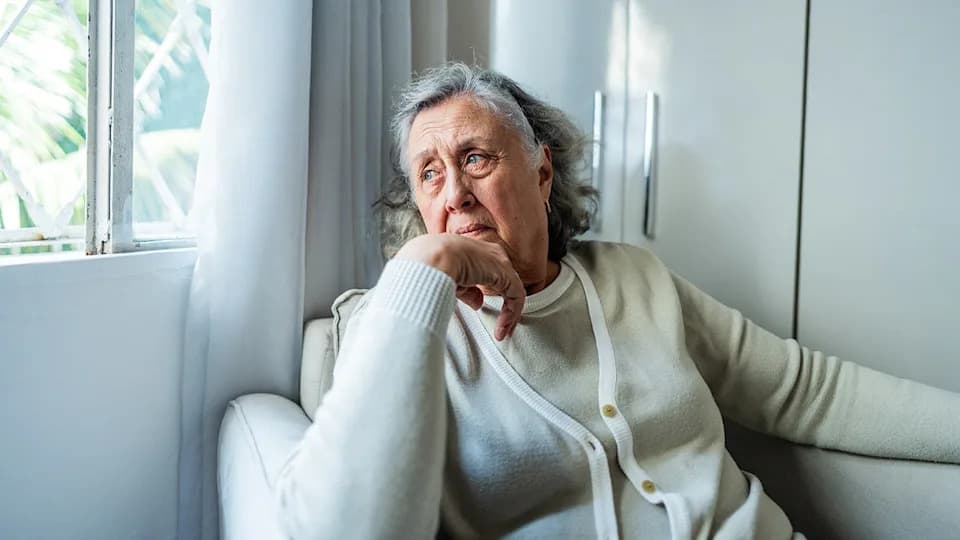
"The key message is not simply that many people feel lonely," said the study's lead, "but that loneliness is strongly influenced by people's surroundings, social network and environment."
A large online survey in England has found that a substantial minority of adults report frequent loneliness, and that the COVID-19 pandemic appears to have had a lasting effect on how connected people feel. Researchers at Imperial College London recruited 135,725 volunteers aged 16 and older to complete the INTERACT questionnaire over a five-month period in 2023.
Key Findings
Almost one in six adults reported feeling lonely "often or always." More than one in five respondents frequently said they lacked companionship or felt left out or isolated. The study also identified a notable lasting impact of the COVID-19 pandemic: nearly 44% of participants said the pandemic increased their feelings of loneliness, and 48.2% reported increased feelings of isolation.

Nearly 44% of respondents in a new study said the COVID pandemic increased their feelings of loneliness — while 48.2% reported increased feelings of isolation.
Urban Concentrations and the "Urban Paradox"
Contrary to the expectation that loneliness is concentrated in remote or rural areas, some of the highest levels of reported loneliness were clustered in major urban centres such as London, Birmingham and Manchester. The researchers describe this pattern as an "urban paradox": despite greater economic, cultural and social opportunities in large cities, residents may report lower life satisfaction, weaker social connections and reduced happiness compared with people in rural areas.
Austen El-Osta, Ph.D., lead of the INTERACT study: "The key message is not simply that many people feel lonely, but that loneliness is strongly influenced by people's surroundings, social networks and environment."
Health Implications and Recommendations
Dr. Azeem Majeed, senior author and NHS GP, warned that loneliness affects both mental and physical health, contributing to anxiety, depression and greater risk of long-term conditions, and often increasing primary care use. The authors argue that strengthening community ties and social capital can help prevent loneliness and enable people to live healthier, more connected lives.
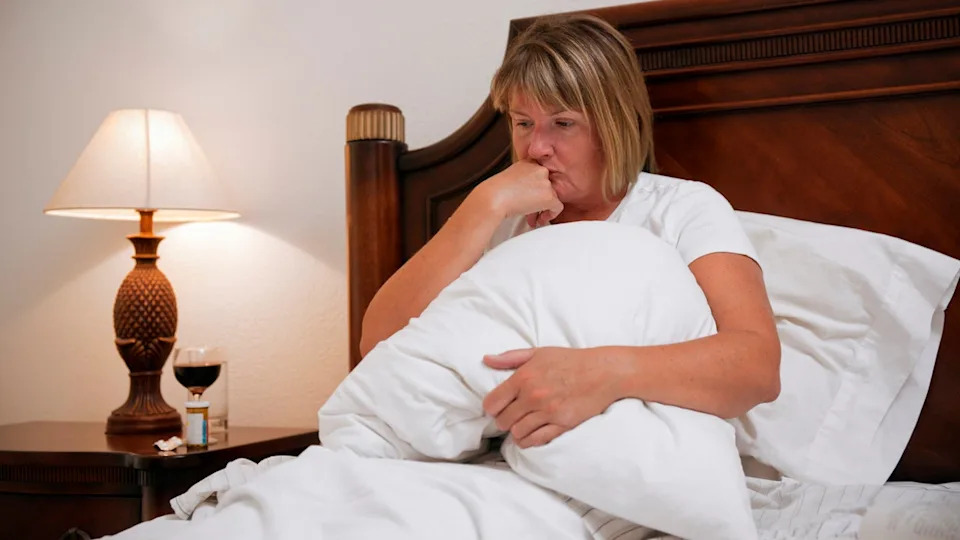
The research found that 45% of respondents in the study were married or in a civil partnership — while almost 20% were single.
The study also found that relationship status alone did not explain loneliness: 45% of respondents were married or in a civil partnership while almost 20% were single, yet loneliness did not map simply onto these categories.
Limitations
Imperial College London notes INTERACT is among the largest dedicated loneliness studies globally and the largest conducted within a single country, but the authors caution the results represent an important snapshot rather than a precise population prevalence estimate. The sample overrepresented highly educated individuals and underrepresented some minority ethnic groups. The researchers also highlighted the inherent self-selection bias of voluntary online surveys, where those more interested or affected by the issue are likelier to participate.

Screening for loneliness should be incorporated into routine cognitive assessments as one way to support healthy aging, said researchers.
Related Research
The coverage referenced related international research on older adults' cognition. A separate study of more than 10,000 adults aged 65–94 across 12 European countries found that people who reported higher loneliness performed worse on memory tests at baseline. That study suggested loneliness may harm memory performance but does not necessarily speed cognitive decline, and recommended screening for loneliness as part of routine cognitive assessments to support healthy ageing.
Conclusions
The INTERACT findings and related studies underline growing concern among clinicians and public health experts about the long-term effects of loneliness on mental and physical health. The authors call for public health responses that go beyond individual-focused interventions to include community-level investments, social infrastructure and services that help people build stronger connections.
Reporting note: Deirdre Bardolf of Fox News Digital contributed reporting to the coverage.
Help us improve.