The CDC analyzed responses from about 27,000 U.S. adults and found nearly three-quarters report some fatigue; over 16% said they felt exhausted most days. Women — especially those aged 18–34 — and younger generations reported the highest rates. Frequent fatigue was linked to greater likelihood of depression and anxiety and work limitations for many. Experts recommend 7–9 hours of sleep, regular exercise, reduced late-day caffeine, outdoor time and mindfulness to help manage symptoms.
Most Americans Report Ongoing Fatigue — Gen Z Women Suffer Most, CDC Says
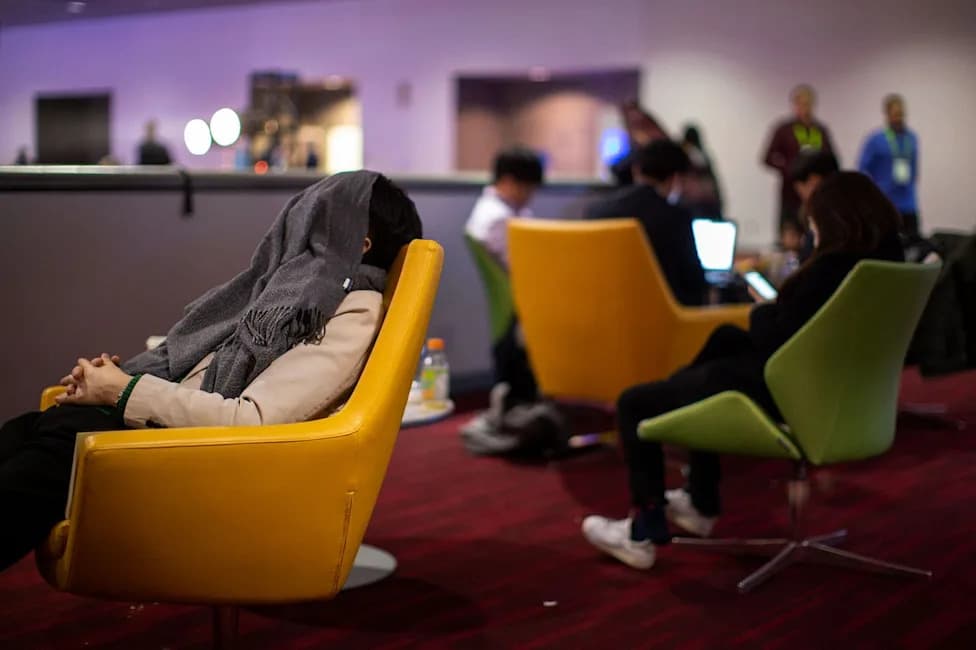
Majority of Americans are tired all the time - and Gen Z women most of all, CDC study finds
Nearly three-quarters of U.S. adults report feeling fatigued at least some of the time, and a new analysis of federal data shows that certain groups are disproportionately affected.
Researchers reviewed responses from roughly 27,000 adults and found that more than 16% said they felt exhausted or very tired "most days" or "every day." Younger adults — particularly Gen Z and millennials — reported frequent exhaustion more often than older age groups, the Centers for Disease Control and Prevention (CDC) said in its 2024 survey results.
Women reported higher rates of persistent fatigue than men: 20% of women versus 13% of men, with the highest burden concentrated in women aged 18–34.
"Frequent fatigue symptoms may interfere with everyday activities in work and personal life," the CDC said, summarizing the findings.
Impact On Work And Mental Health
More than one-third of adults who experienced frequent fatigue said it limited their ability to do their jobs. The analysis also found strong links between persistent tiredness and mental health symptoms: adults with frequent fatigue were more than three times as likely to show symptoms of depression and about twice as likely to report anxiety symptoms or cognitive difficulties compared with other respondents.

More than 16 percent of 27,000 adults said they felt exhausted or very tired 'most days' or 'every day' (AFP via Getty Images)
Experts emphasize that fatigue is often multifactorial. While it can be associated with depression or anxiety, it is not always tied to a single medical diagnosis. Contributing factors cited in the report and clinical guidance include insufficient sleep, poor physical fitness, an unhealthy diet, and substance use.
What Clinicians Recommend
Health authorities recommend that adults aim for 7–9 hours of sleep per night. The Cleveland Clinic notes that fatigue can persist despite extra sleep, affecting focus, energy, motivation and mood.
Practical steps clinicians suggest for managing persistent fatigue include:
- Avoid caffeine roughly six hours before bedtime.
- Aim for about 150 minutes of moderate aerobic exercise per week plus two strength-training sessions.
- Spend time outdoors and maintain regular daylight exposure.
- Use stress-reduction practices such as mindfulness or meditation.
- Discuss persistent symptoms with a healthcare provider to rule out treatable medical causes.
Taken together, the CDC analysis highlights widespread fatigue across the U.S., with young women — particularly those in Gen Z — reporting the heaviest burden and notable downstream effects on work and mental health.
Help us improve.