Forty-four bipartisan Texas lawmakers asked Gov. Greg Abbott to press DHS to stop demolition and border-barrier construction inside Big Bend National Park, arguing the park's terrain already serves as a natural barrier and that technology could replace physical infrastructure. CBP Commissioner Rodney Scott said work in the park is limited—to one new access road, road improvements, detection technology and vehicle barriers—and denied plans for a 30-foot wall. Critics, including state Rep. Eddie Morales Jr., also raised concerns about costly no-bid contracts and the project's fiscal and environmental impact.
Texas Lawmakers Urge Abbott to Halt Border Barrier Work in Big Bend National Park
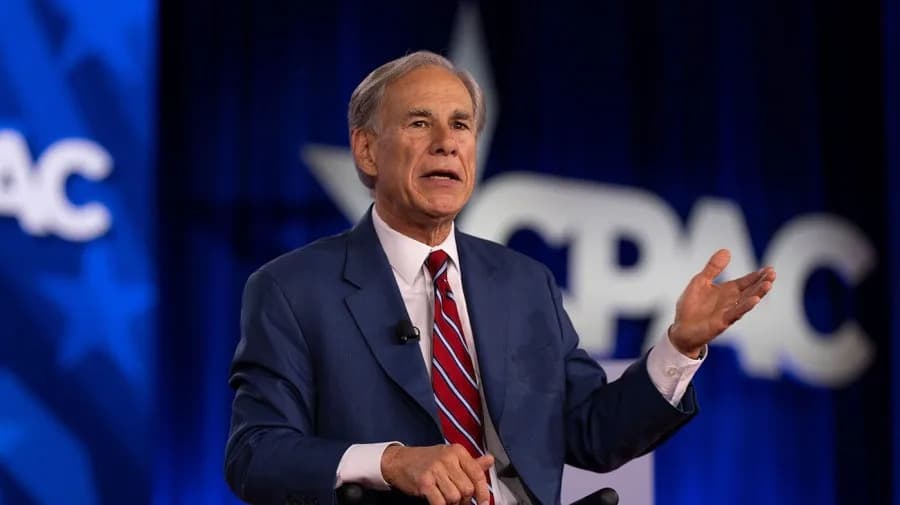
Texas state lawmakers urge Abbott to help stop CBP barrier construction in Big Bend National Park
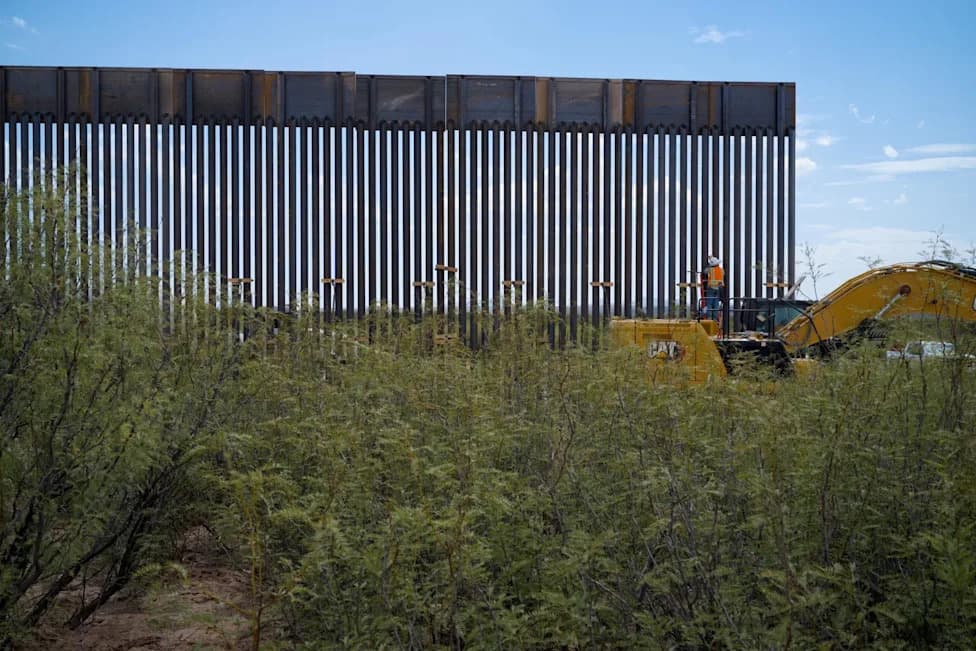
Dozens of Texas state lawmakers this week urged Gov. Greg Abbott to intervene and stop demolition and construction tied to proposed border barrier work inside Big Bend National Park.
In a Thursday letter, 44 bipartisan state legislators asked the governor to "swiftly use every available avenue" to press the Department of Homeland Security to "immediately cease demolition and border barrier construction activities" within the park. The Hill has contacted Abbott's office for comment.
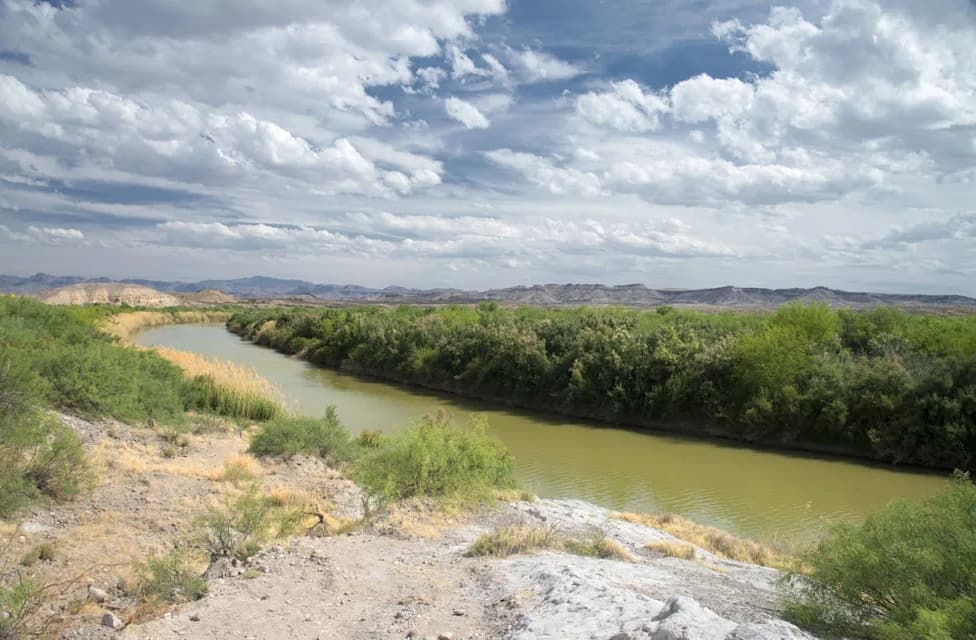
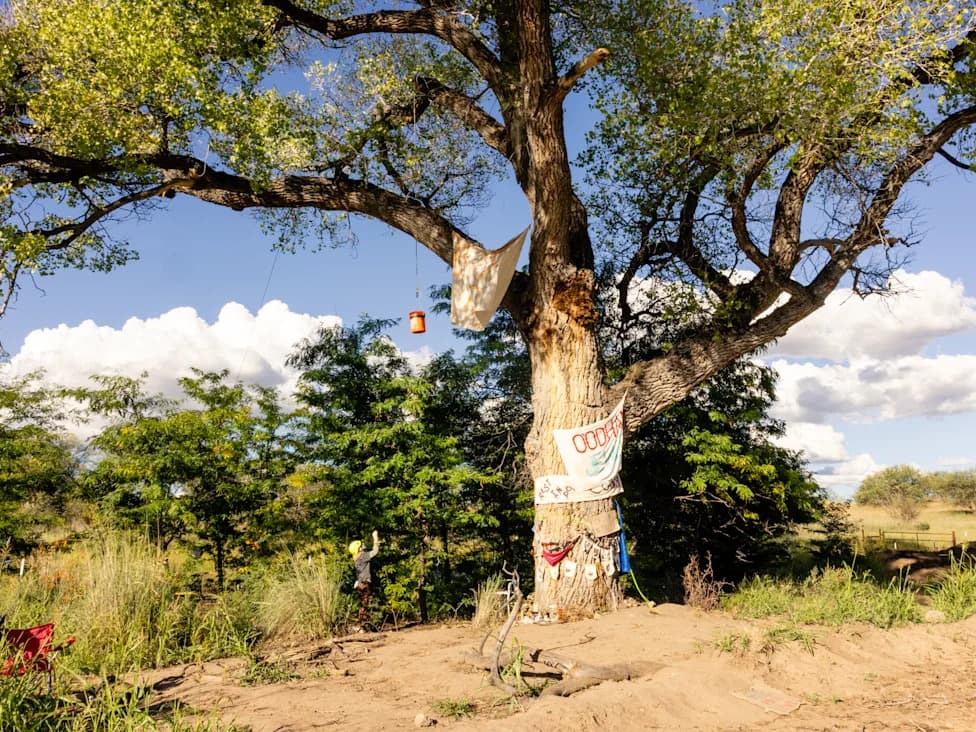
Big Bend National Park, located along a sweeping bend of the Rio Grande, is known for its mountain ranges, river canyons and arid desert landscape—features lawmakers said already serve as natural border deterrents.
Customs and Border Protection (CBP) Commissioner Rodney Scott responded that the agency is carrying out limited work in the area and denied plans for a 30-foot wall. In a statement, he characterized the work as targeted improvements and technology upgrades rather than large-scale wall construction.
"CBP is building one new access road, improving existing roads, installing detection technology, and placing vehicle barriers in limited, strategic locations," Scott said. "We are NOT building a 30-foot wall or stadium lighting through Big Bend National Park, Big Bend Ranch State Park, or the Black Gap Wildlife Management Area."
Lawmakers noted reports of "bulldozers and construction equipment" entering the park; CBP said those crews were conducting survey and design work rather than erecting a continuous physical barrier. The agency says the measures are intended to help agents detect illegal crossings, speed response times and assist park visitors in danger.
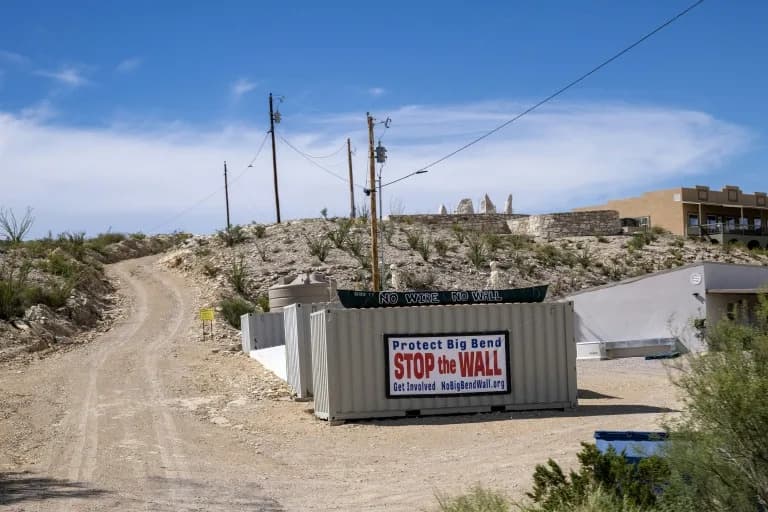
Still, the bipartisan group argued the project as described does not appear to be "effective, fiscally responsible, and respectful of the communities and landscapes we are sworn to protect." The letter emphasized the park’s rugged terrain and argued technology—such as drones and radar—could be used instead of permanent physical infrastructure.
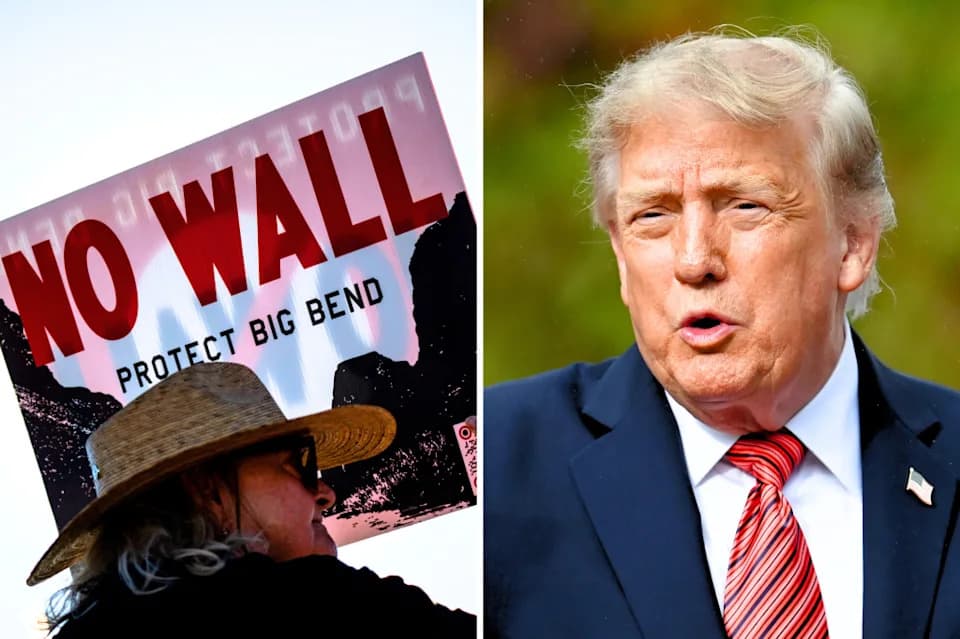
State Rep. Eddie Morales Jr. (D) criticized the broader spending behind border-barrier projects, writing on the social platform X that there is "simply no need to spend upwards of $7 billion on shady no-bid contracts" to secure a sector that he said accounts for less than 1 percent of border crossings. He urged Texas leaders to protect the land and communities for future generations.
The dispute highlights a broader debate over border security methods, environmental protection and federal-state authority in sensitive public lands.
Help us improve.