Reports and open-source footage indicate that wounded and disabled Russian soldiers are being redeployed to frontline positions to draw fire and reveal Ukrainian drone and firing sites. A July CSIS report estimated roughly 1.4 million Russian casualties, and Ukrainian officials have reported heavy single-day losses. Analysts warn that recycling injured personnel undermines morale and operational effectiveness and signals a willingness to absorb high attrition that could have wider strategic implications.
Evidence Shows Russia Deploying Wounded And Disabled Soldiers As Frontline Decoys
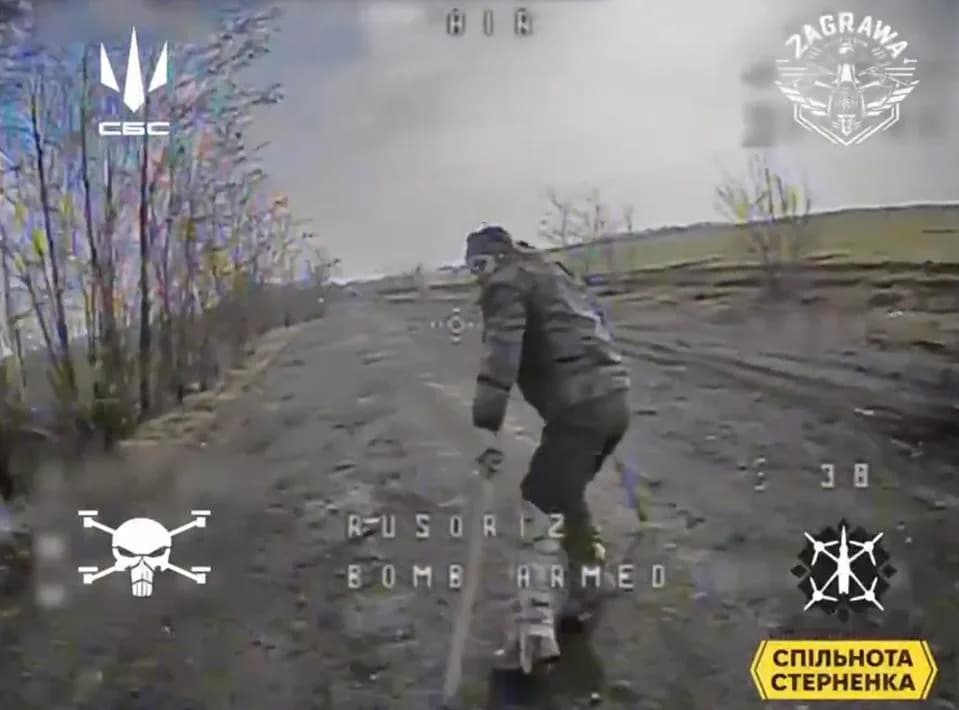
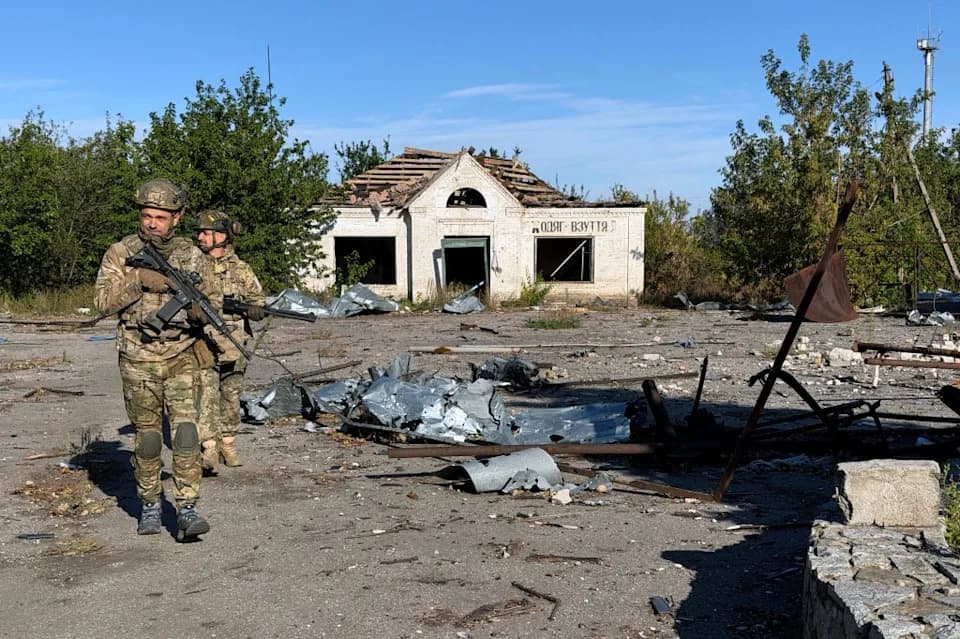
A disabled Russian soldier on the frontline.SOCIAL MEDIA CAPTURE
Russia's war in Ukraine — now more than four and a half years old — has produced staggering losses and strained Moscow's ability to sustain manpower on the front lines. Multiple reports, eyewitness accounts and videos indicate that wounded and disabled Russian servicemen are being returned to combat, sometimes with minimal equipment, and used as decoys to reveal Ukrainian drone launch sites and firing positions.
Human Cost and Manpower Strains
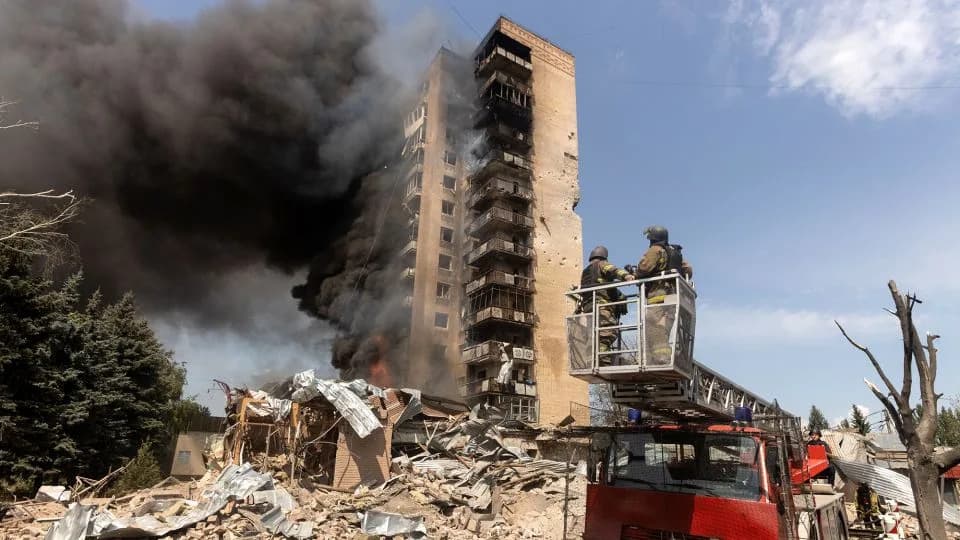
A July report from the Center for Strategic and International Studies (CSIS) estimated Russian casualties at roughly 1.4 million. In one 24-hour period on August 11, Ukraine's General Staff reported about 1,190 Russian casualties. Analysts say these losses, combined with recruiting shortfalls and political limits on wider mobilization, have pushed commanders to recycle injured troops back into frontline roles.
How Disabled Soldiers Are Allegedly Used
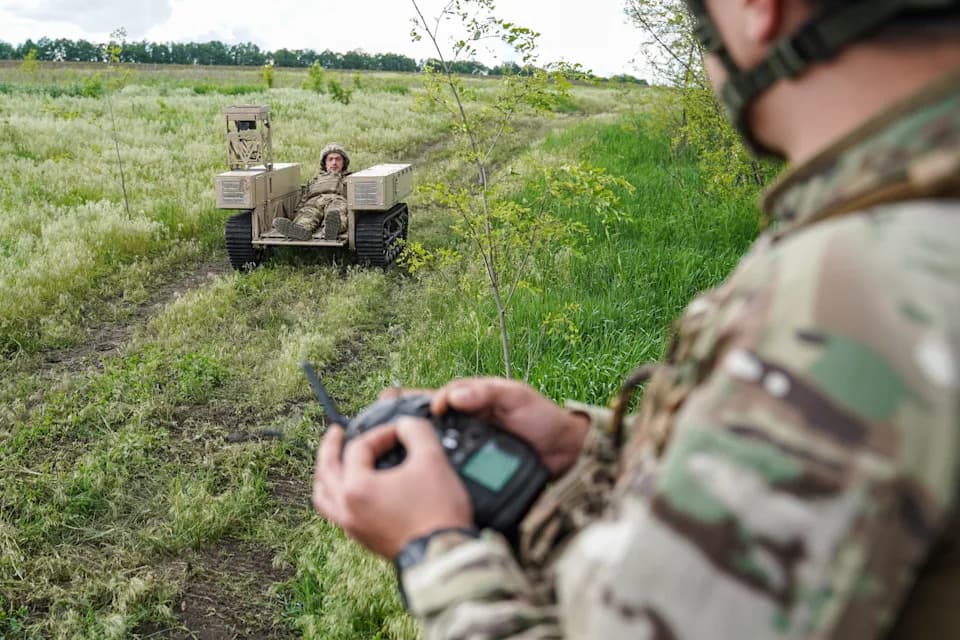
Former officers, front-line soldiers and open-source investigations describe a pattern in which lightly equipped, partially recovered or disabled soldiers are sent forward to draw fire. Commanders then observe where drones and ground units respond, using those strikes to locate and suppress firing points before committing more capable infantry.
"A group of wounded or disabled soldiers is sent forward, they are destroyed, and Russian forces observe where Ukrainian drones launch from and where Ukrainian firing points are located," said Mykola Melnyk, a former officer in Ukraine's 47th Mechanized Brigade.
Accounts include footage of soldiers on crutches or using walking sticks encountering Ukrainian drones. In May 2026 a video shared on the anti-war Telegram channel Mobilization News allegedly showed six disabled soldiers from the Russian 69th Motorized Rifle Division moving toward combat with only three bulletproof vests and two automatic rifles between them.
Documented Reports And Context
Investigations and reporting have highlighted related practices: an April 2023 New York Times report said some prisoners were offered medical care in return for joining assaults with private military units; Russian front-line Telegram channels and bloggers have described so-called "cripple regiments" and pressure to return the partially recovered to combat; and independent trackers say commanders sometimes exaggerate advances, compelling units to stage brief incursions or fabricate evidence of territorial gains.
Observers also point to information operations and AI-manipulated footage used to present tactical successes that do not reflect sustained control on the ground — a problem that undermines honest assessment and drives risky operational decisions.
Operational And Strategic Consequences
Military experts warn that relying on exhausted, wounded or poorly equipped soldiers damages morale, reduces operational effectiveness and degrades the long-term fighting capacity of units. Shaun Pinner, a former British soldier, noted that recycling wounded personnel and refilling depleted assault units can mask the true scale of strain without addressing systemic manpower shortfalls.
Analysts say the practice is also a warning for Europe: in a future high‑intensity conflict, an adversary willing to absorb enormous casualties to sustain an attritional fight could test whether NATO states are prepared for prolonged losses and the political strains that accompany them.
Sources And Attribution
This article synthesizes reporting from CSIS, the New York Times, the Financial Times, open-source Telegram channels, named former officers and battlefield witnesses. Specific incidents described here are based on those cited sources and on recorded footage circulating on messaging platforms.
Note: All casualty figures and quoted allegations are attributed to the organizations and individuals named; independent verification of every field report is inherently difficult in an active war zone.
Originally published on Forbes.com (reworked and edited for clarity and attribution).
Help us improve.