Illinois is deploying 60 community solar arrays on self-storage roofs to expand clean energy without using farmland. Ten projects are already online, including a 763 kW system in Justice; the full portfolio is expected to total about 44 MW across 5 million sq ft, yielding roughly $36 million in subscriber savings and supporting ~300 construction jobs. Rooftop community solar broadens access for renters and shaded homeowners while preserving open land.
Illinois Turns Self‑Storage Roofs Into 60 Community Solar Arrays To Protect Farmland And Cut Bills
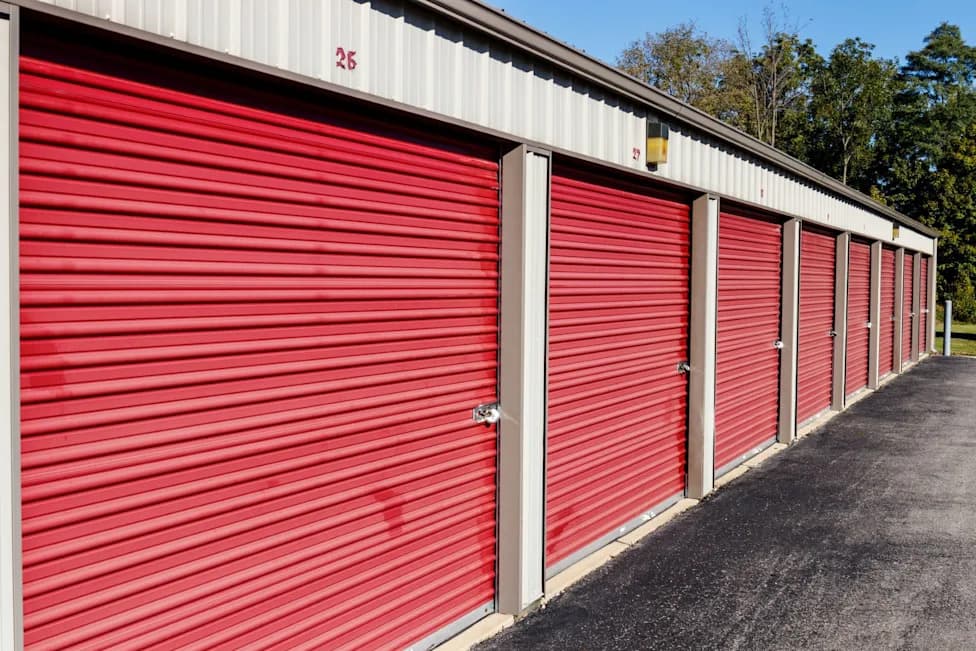
Photo Credit: iStock
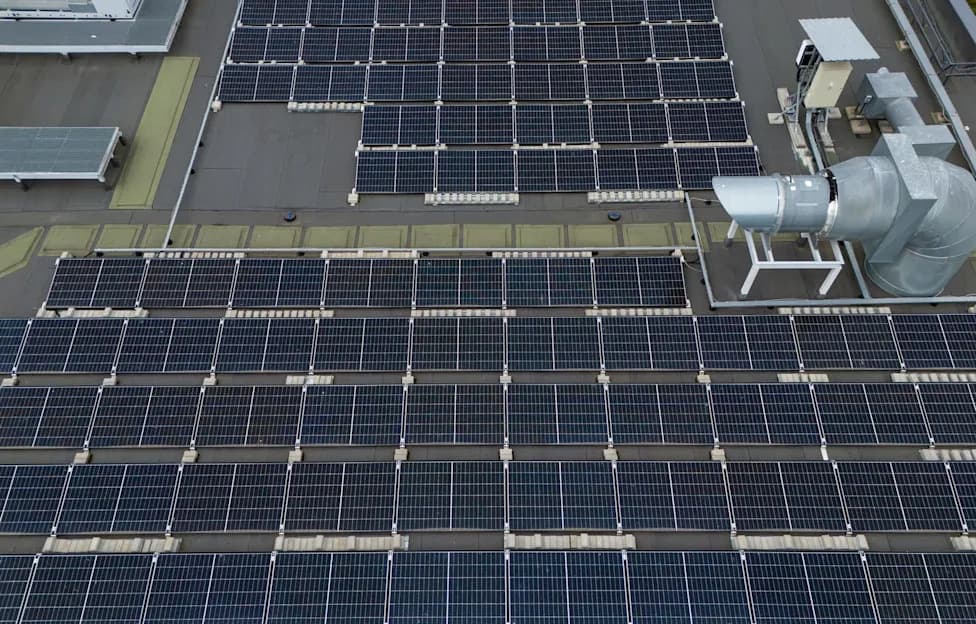
Illinois is rolling out an innovative plan to install 60 community solar arrays on the flat roofs of self-storage facilities, offering a way to expand clean energy without converting farmland or open space. The program repurposes otherwise idle commercial rooftop real estate to deliver affordable renewable power and broader access to community solar subscriptions.
One early example is a 763-kilowatt community solar system that began operating in March atop a Public Storage site in Justice, Illinois, according to Canary Media. Solar Landscape, the developer and owner of the portfolio, says 10 of the 60 rooftop projects are already online.
Solar Landscape estimates the full statewide portfolio will cover roughly 5 million square feet of roof, total about 44 megawatts of capacity, generate an estimated $36 million in subscriber savings over the life of the projects, and support roughly 300 construction jobs during build-out.
"This creates more opportunities for people, job creation, and revenue that can be taxed by our state," said Krzysztof Wasowicz, mayor of Justice, to Canary Media. "This is going to be an excellent addition to this village."
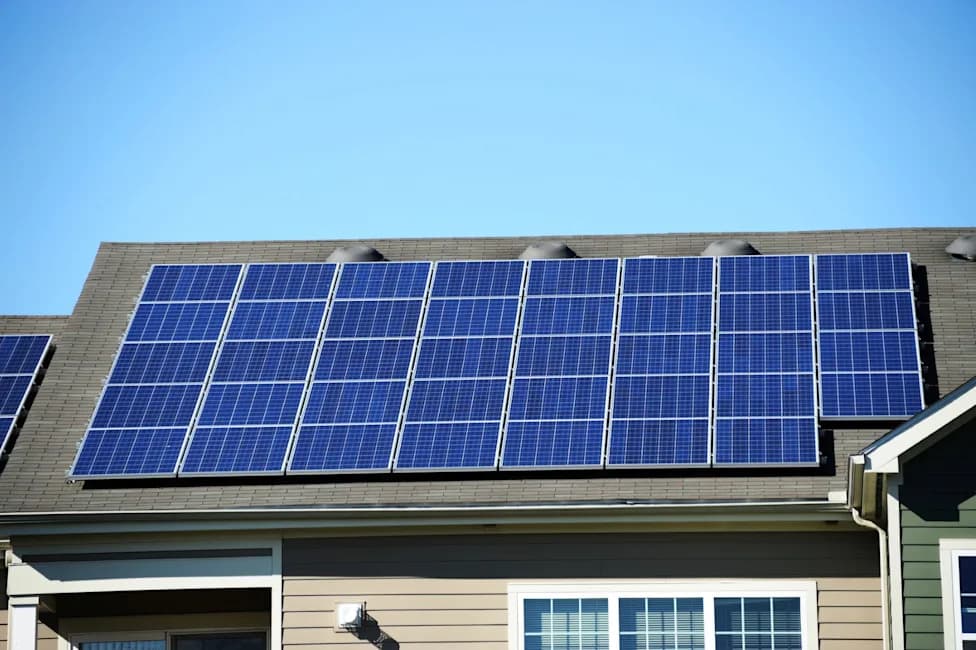
Rooftop community solar projects help expand access to clean energy for households and businesses that cannot install panels at their own properties—renters, condo owners and homeowners with shaded or unsuitable roofs can all subscribe to a shared project and receive bill credits without upfront installation costs.
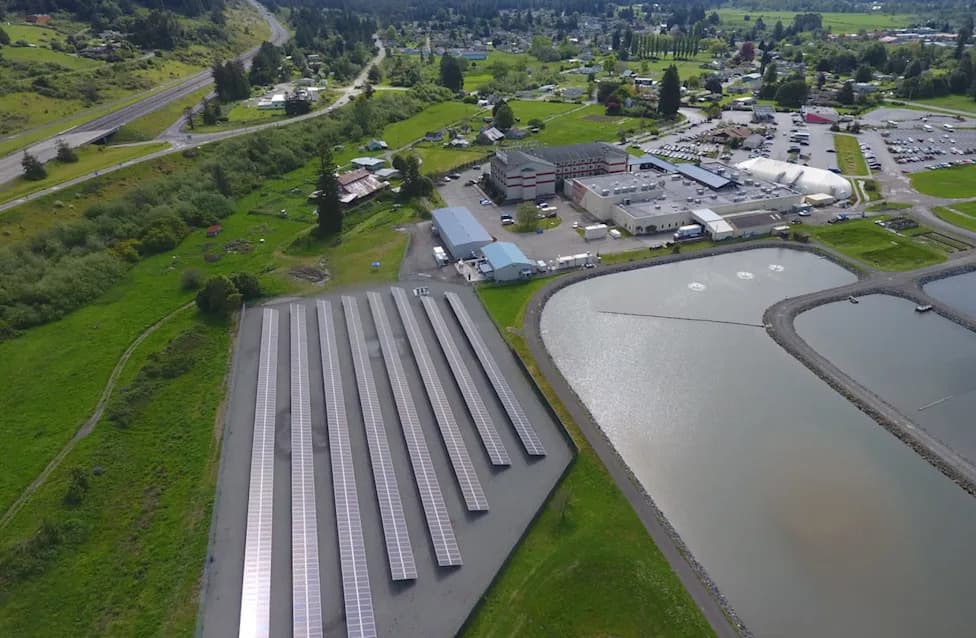
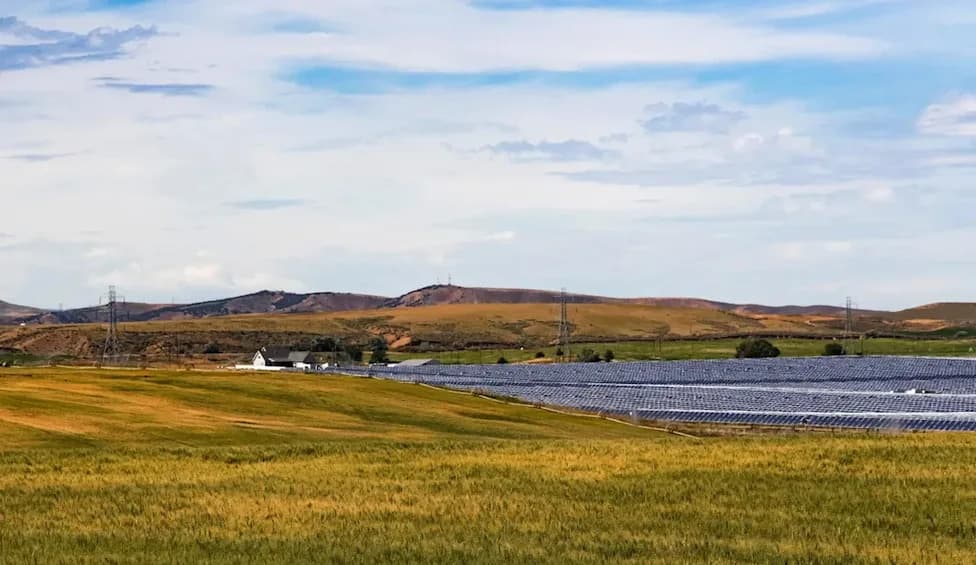
The rooftop approach also addresses a major planning challenge in the clean-energy transition: increasing generation capacity while minimizing impacts on farmland and open space. In Illinois, much community solar has been sited on rural parcels or industrial brownfields; shifting large-scale deployments to commercial rooftops can protect agricultural land while still expanding affordable clean generation.
Federal data reviewed by Lumen Energy and cited by Canary Media indicates the larger opportunity: U.S. commercial, industrial and school rooftops could support roughly 581 gigawatts of solar capacity—nearly enough to meet the nation's full electricity demand if fully deployed.
Illinois already ranks among national leaders in community solar deployment; it has more installed community-solar capacity than California, according to the Solar Energy Industries Association (SEIA). State incentives and a recently passed energy law that expanded incentives to larger projects have helped drive that growth.
Utilities and developers are placing greater emphasis on large rooftop installations. Paul Kovacs, ComEd's project execution manager for distributed energy resources, said rooftops are becoming a key focus for community solar in the Chicago area.
"The beauty of commercial-industrial real estate is the speed and scalability," said Mark Schottinger, president and chief legal officer of Solar Landscape, describing why storage-facility roofs are attractive hosts for community-scale projects.
As property owners and developers look for ways to increase the value of large commercial buildings, rooftop community solar could accelerate: commercial installations avoid many challenges of residential projects and enable faster, larger deployments that deliver savings and clean energy access to many more customers.
Help us improve.