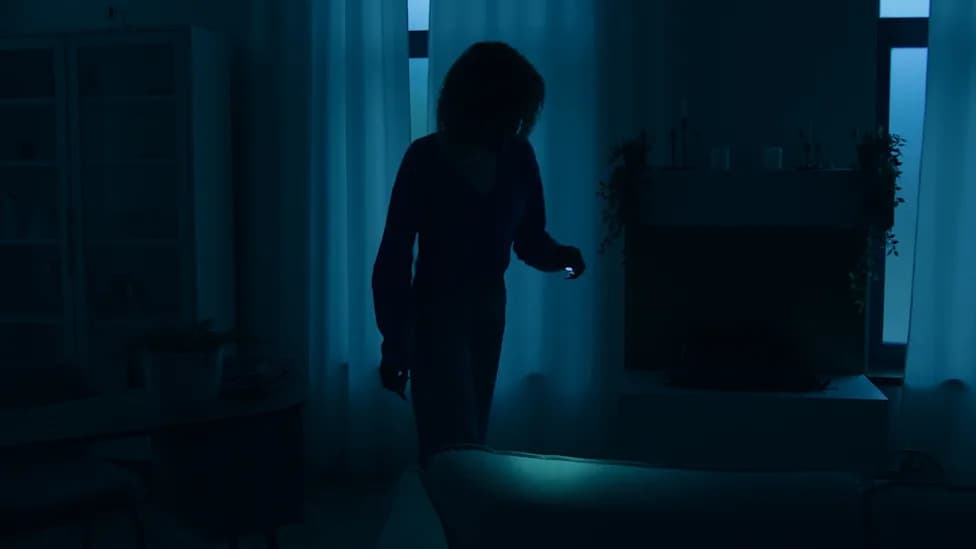
Repeated storms left about 40,000 BGE customers without power, and many Reisterstown residents reported their seventh outage in roughly seven weeks. Locals say higher utility bills have not produced better reliability, prompting some to consider home battery storage to protect medicines and essential devices. BGE says severe weather is stressing the distribution system and is prioritizing vegetation management, equipment replacement, and distribution automation to reduce future interruptions.
Seven Blackouts in Weeks Leave Reisterstown Residents Fearing the Heat — Battery Backup Gains Traction
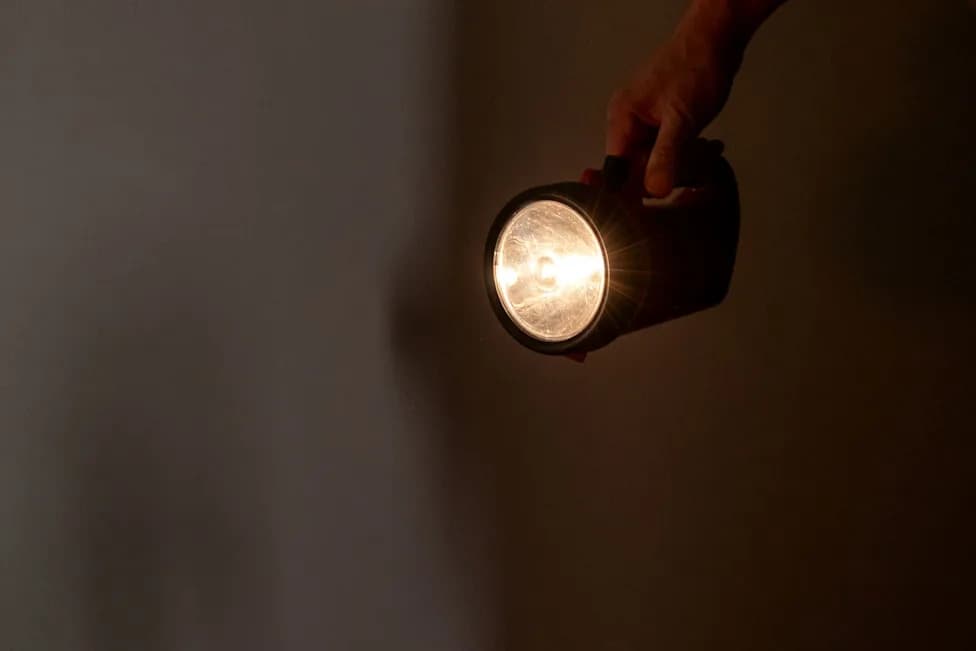
Photo Credit: iStock
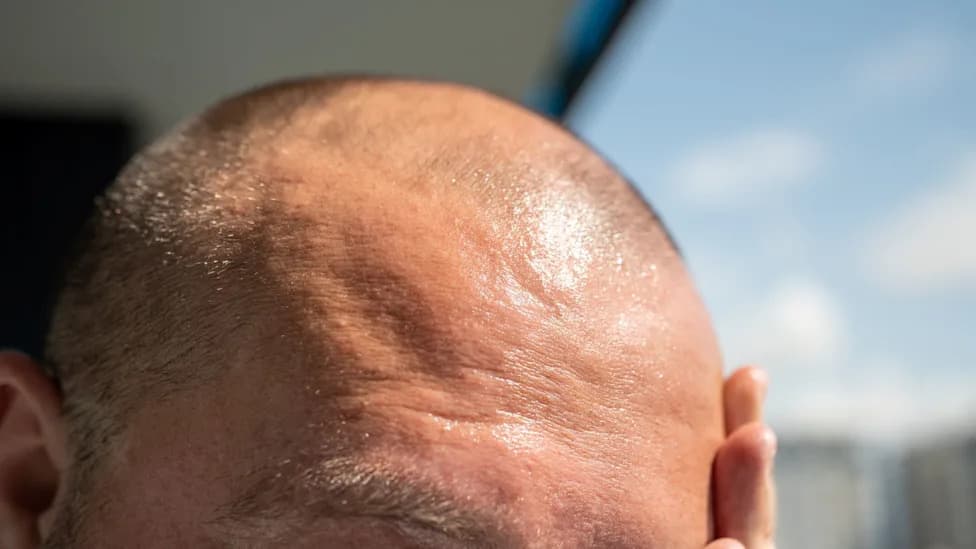
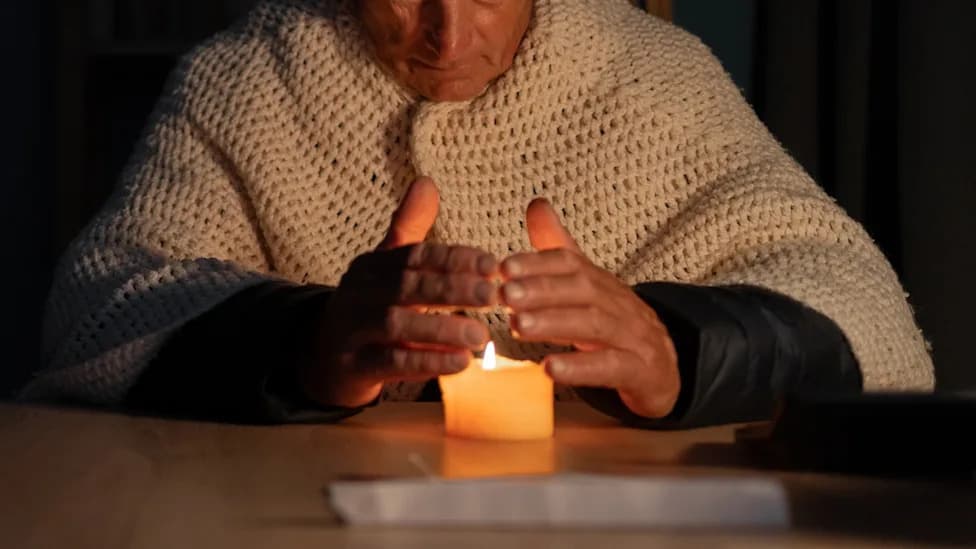
Repeated storms and high winds left roughly 40,000 Baltimore Gas & Electric (BGE) customers without power during a recent statewide event, and many Reisterstown residents say the latest outage was their seventh in about seven weeks. Locals complain that rising utility bills have not translated into more reliable service, and some families have been forced to leave their homes during heat waves because of repeated blackouts.
Residents Describe Unpredictable, Risky Conditions
Residents told CBS Baltimore the frequent interruptions have disrupted daily life and created health risks. Glori Northern said she and her dog had to stay in a hotel for four days during the July 4 heat wave. She recalled resorting to filling her bathtub with ice to keep medicine cold when refrigeration failed.
“The power has been out seven times within the last two months. Sometimes it's restored within two or three hours. Sometimes within days,” Paulette Jones told CBS Baltimore.
Many residents also say their utility bills have risen even though reliability has not noticeably improved, leaving them frustrated and searching for alternatives.
What BGE Says It Is Doing
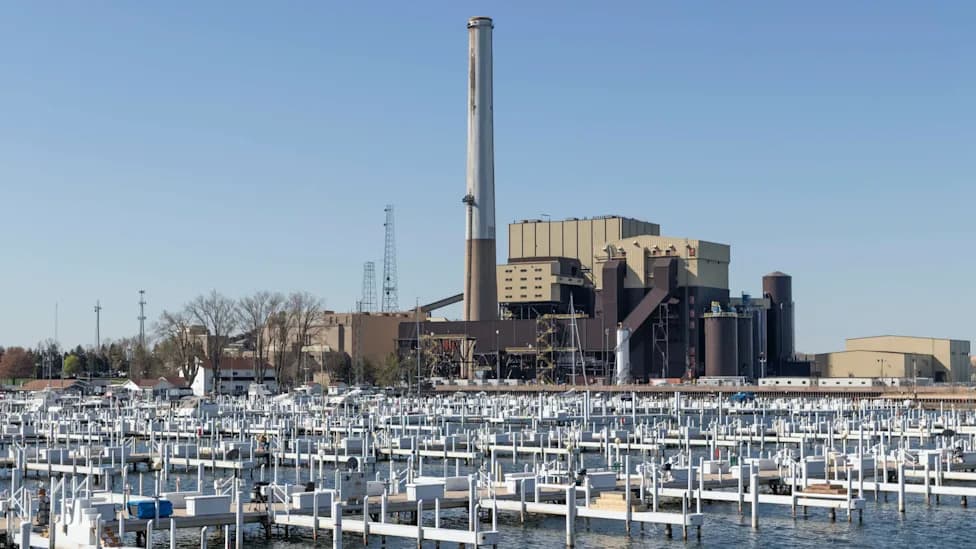
BGE attributes the recurring outages to stronger storms and more frequent severe weather stressing the distribution system. Dawn White, vice president of electric operations, says the utility is identifying neighborhoods with repeated interruptions and elevating them on its priority list for improvements.
Planned and ongoing work includes expanded tree trimming and vegetation management, replacement of poles, cross arms, and lines, and consideration of more distribution automation to help parts of the grid "self-heal" without immediate crew dispatch.
How Residents Are Responding
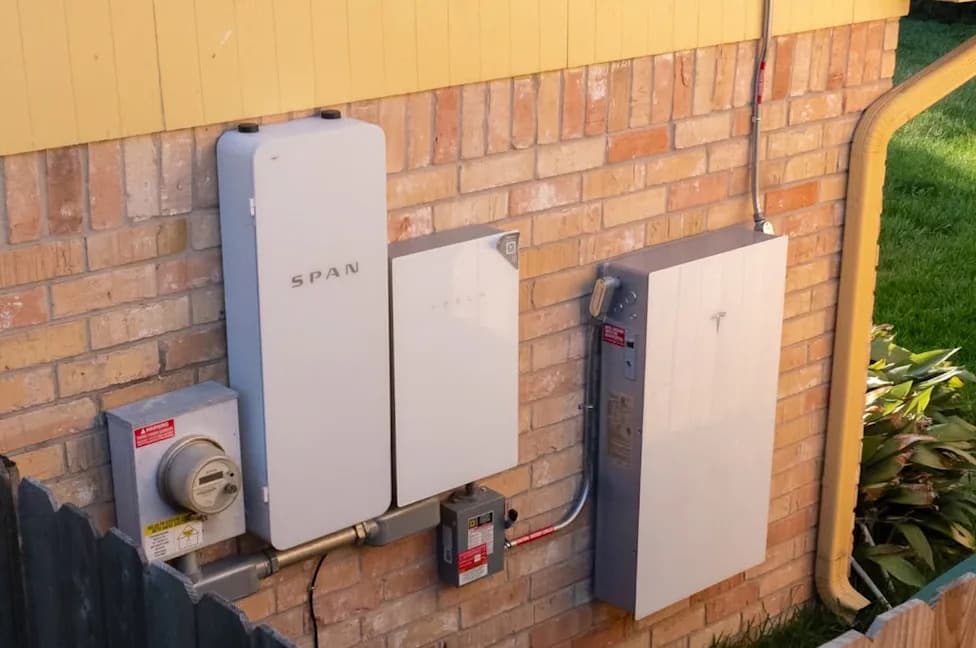
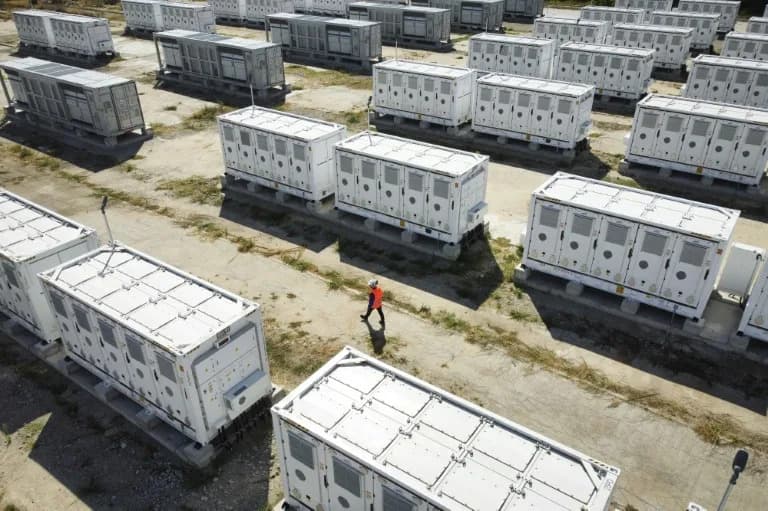
As a practical defense against recurring outages, many homeowners are exploring home battery storage. Batteries can keep critical devices and refrigeration running during blackouts, protect refrigerated medicines, and, when paired with smarter usage patterns, help lower electricity costs.
Resources such as EnergySage provide comparison tools and competitive installation estimates; partners like Qmerit help coordinate electrification installers. Smaller plug-and-play products such as those from Pila are marketed as lower-cost options compared with whole-home backup systems.
Practical Considerations
Home battery storage is not a universal solution: system size, cost, installation time, and local permitting affect suitability. But for residents who depend on refrigerated medicines or medical devices, batteries can be a vital short-term safeguard while utilities complete infrastructure upgrades.
Bottom line: Reisterstown families face repeated outages amid intense weather, and while BGE pledges infrastructure work and automation, many residents are investing in battery backups to protect health and preserve food during future storms.
Help us improve.