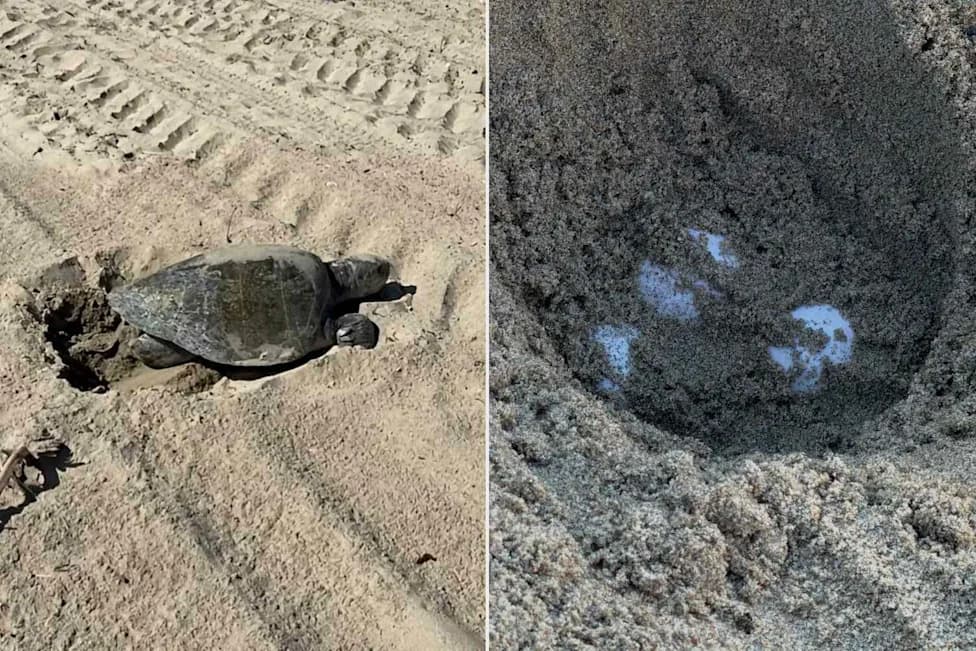
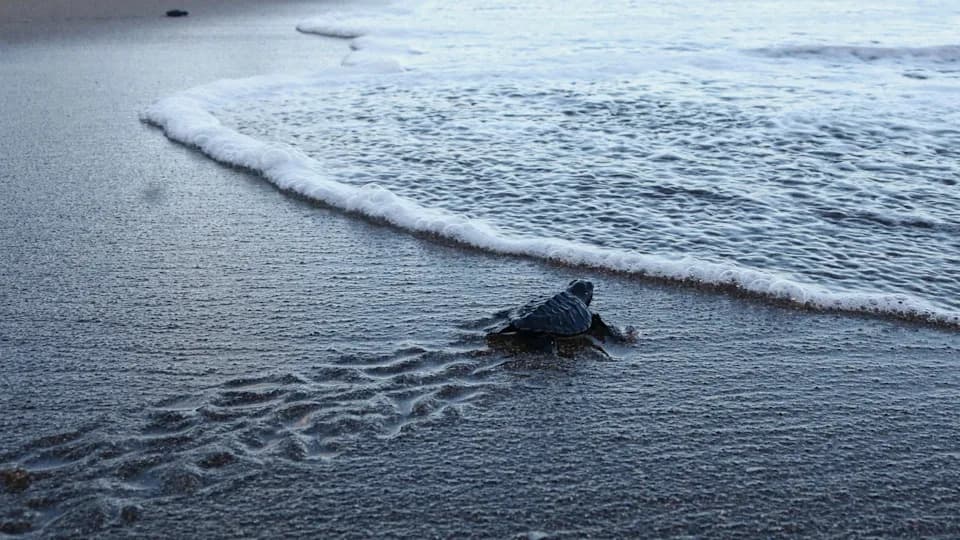
Kiawah Island has recorded 495 sea turtle nests this season across about 10 miles of beach, up from roughly 200 last year and beating the island’s second-highest total set in 2022. Volunteers working under SCDNR permits patrol before sunrise to mark, screen, and sometimes relocate vulnerable nests. Eggs incubate about 60 days and face threats from flooding, storms, predators, and artificial light; patrols estimate only about 1 in 1,000 hatchlings reach adulthood. Simple visitor actions—filling holes, removing trash, and keeping beaches dark—can improve hatchling survival.
Kiawah Island Records 495 Sea Turtle Nests in a ‘Banner Year’ — Volunteers Race to Protect Hatchlings
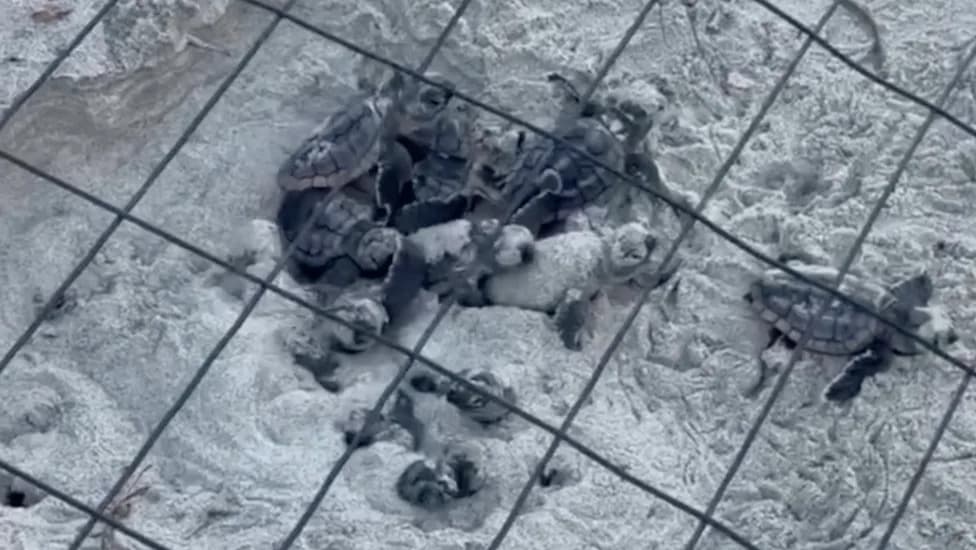
Photo Credit: Kiawah Island Turtles
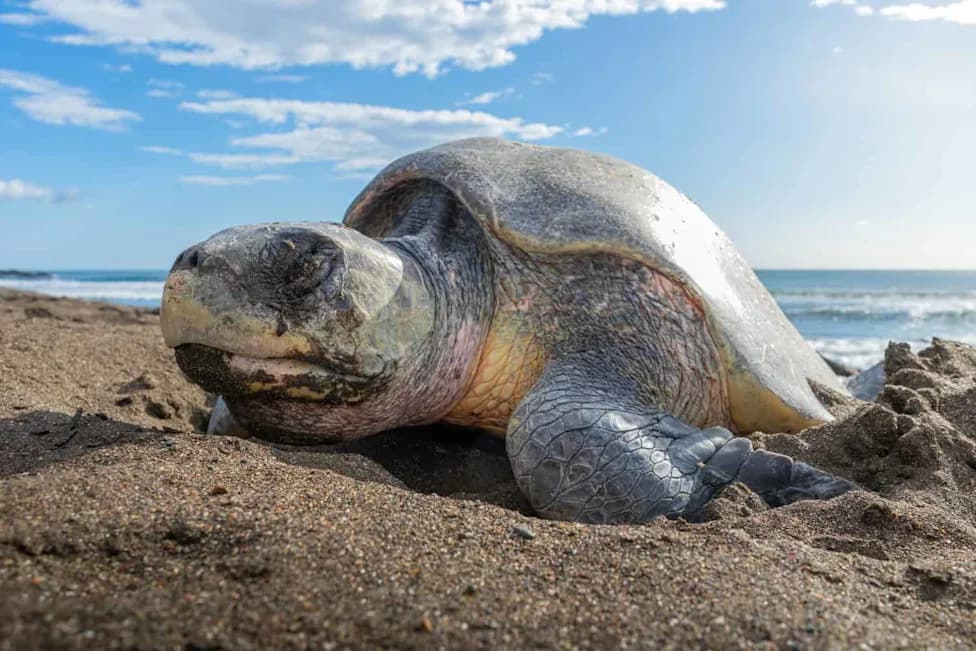
Kiawah Island, off the coast of South Carolina, is reporting an exceptional sea turtle nesting season as hatchlings begin their run from nest to surf. Local patrols have counted 495 nests this year along roughly 10 miles of shoreline, a dramatic increase from about 200 nests last year and already surpassing the island's second-highest total recorded in 2022.
Why Kiawah Is a Key Nesting Site
Reporters and conservationists note that Kiawah’s wide beaches, naturally dark nights, and relatively sheltered shoreline provide the ideal combination of conditions for loggerhead sea turtles to nest. Those features, along with careful monitoring, have helped make the island an important nesting area.
What Volunteers Are Doing
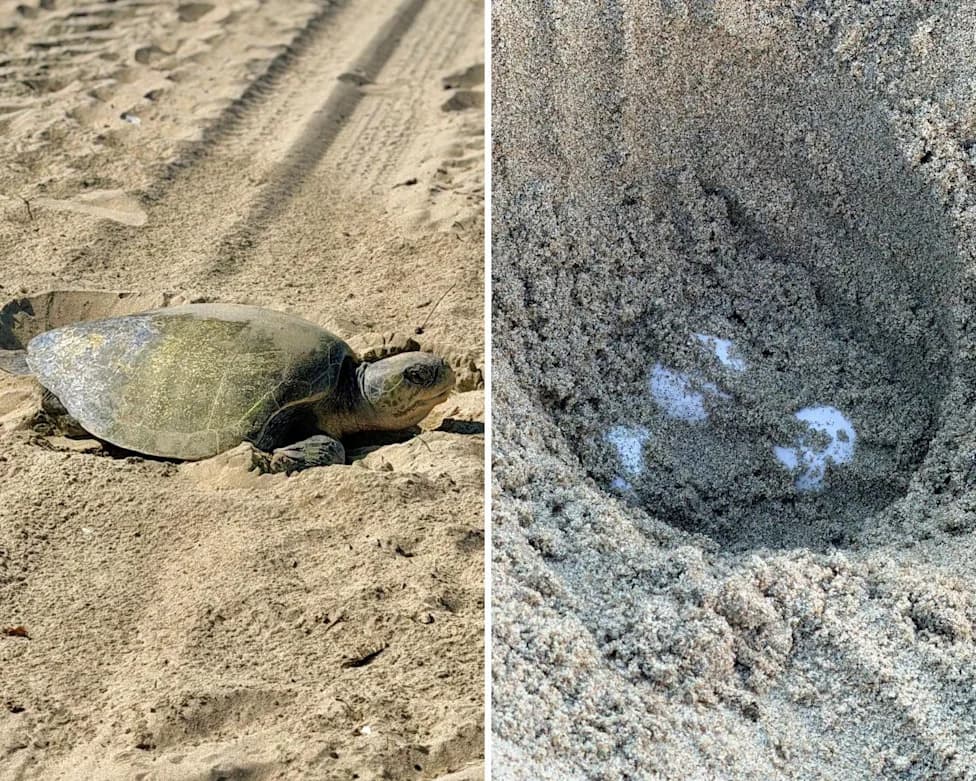
Working under South Carolina Department of Natural Resources permits, volunteers and staff with the Kiawah Island Turtle Patrol patrol the beach before sunrise to locate and document nests. Teams mark and screen nests to track them through incubation and hatching, and when a nest sits in a particularly flood-prone or low-lying location they may relocate it to a safer spot.
“It’s a banner year,” said Alison Frey, a 14-season volunteer with the Kiawah Island Turtle Patrol.
Risks to Eggs and Hatchlings
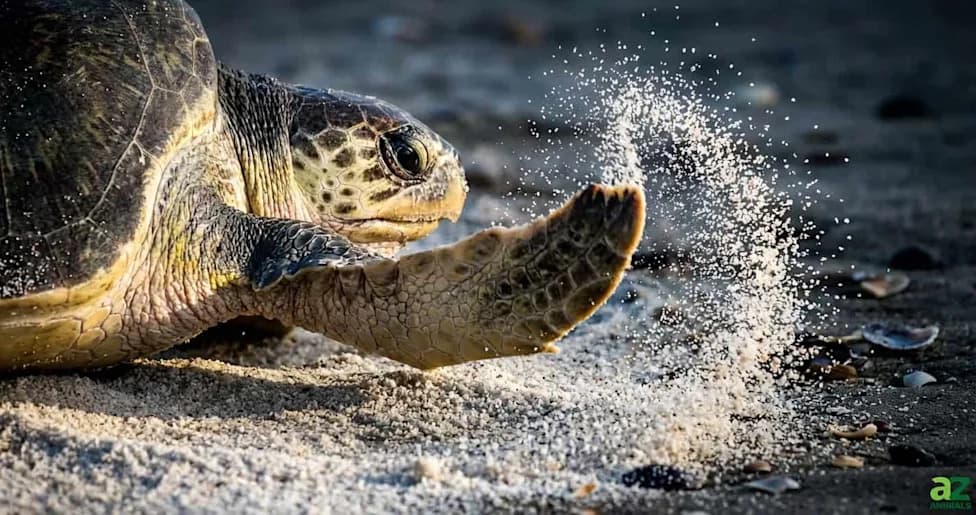
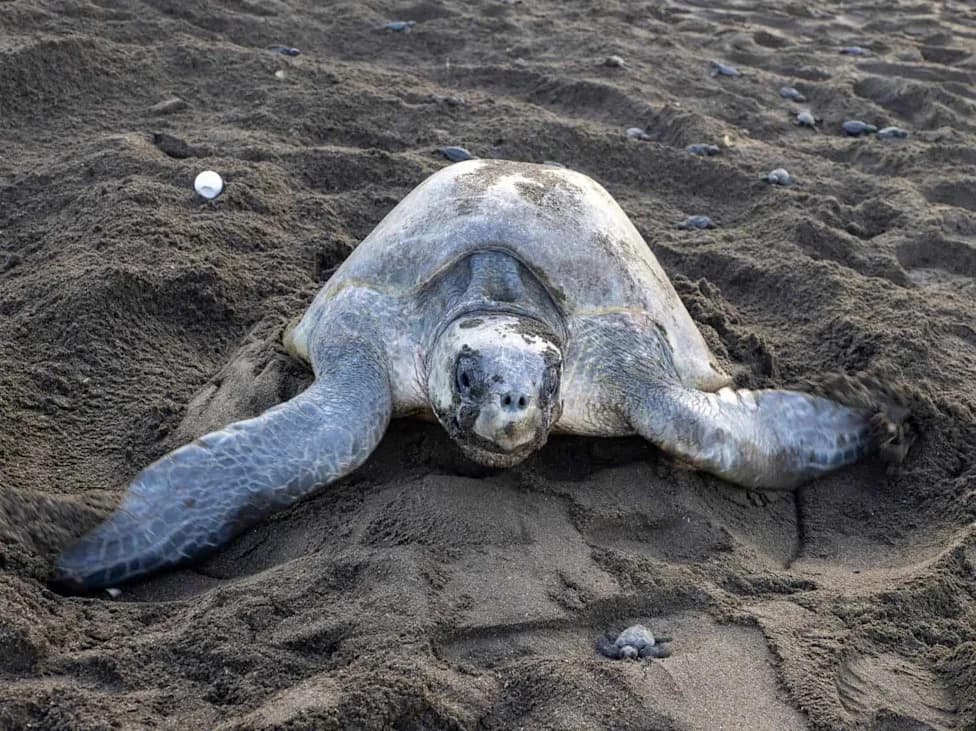
Eggs incubate beneath the sand for about 60 days, during which nests are vulnerable to flooding, storms, predators, and shifting environmental conditions. Even after hatching, survival is difficult: patrol members estimate roughly one in 1,000 hatchlings survives to adulthood. Ghost crabs, raccoons, coyotes, and seabirds—not to mention coastal storms and rising tides—can all reduce hatchling numbers.
How Beachgoers Can Help
Simple actions by visitors can make a measurable difference. Filling in holes, removing trash, and keeping beachfront lights off at night reduce hazards for nests and disoriented hatchlings. Artificial light is especially dangerous because baby turtles use natural light cues to find the ocean.
Why This Matters
More nests mean more hatchlings entering the ocean, which improves loggerheads’ chances of recovery. Sea turtles also support marine ecosystems—helping to maintain healthy seagrass beds and balanced food webs—so their rebound benefits broader coastal environmental health and local communities alike.
Help us improve.