The review of 136 publications finds limited robust evidence that common aesthetic procedures biologically rejuvenate aged skin. Most studies focus on collagen increases but rarely assess broader structural, functional, or cellular markers required to demonstrate true regeneration. No clinical study met the reviewers' threshold for "rejuvenation," and many trials suffered from small samples, weak comparators, or subjective outcomes. The authors urge standardized, multi-domain biological measurements and accurate marketing claims.
Do Aesthetic Treatments Truly Rejuvenate Skin? Review Finds Limited Biological Evidence
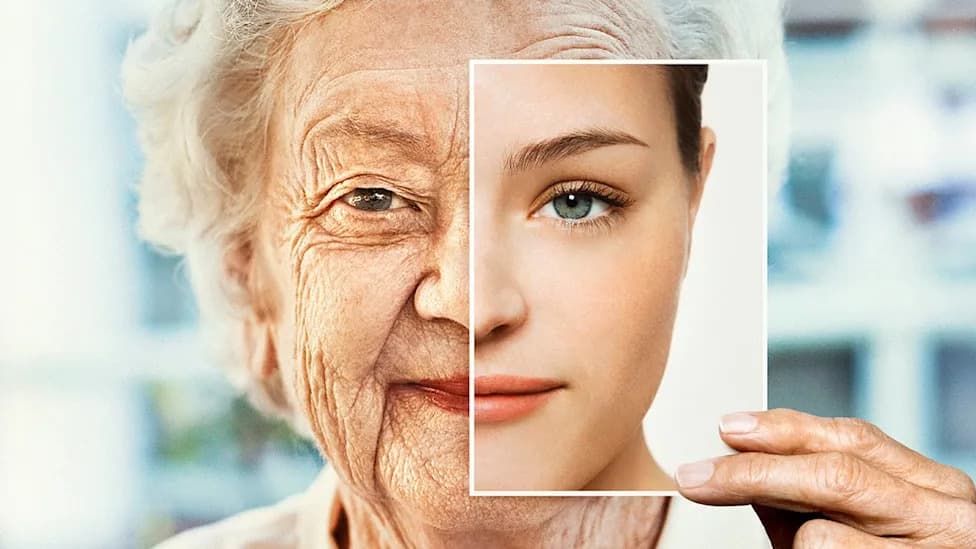
(Figure8Photos/Getty Images)
Popular aesthetic procedures such as fillers, lasers, microneedling and platelet-rich plasma (PRP) often produce visible improvements in skin appearance. But a new review of the literature suggests there is little rigorous biological evidence that these interventions actually make aged skin biologically younger.
YouTube Thumbnail
What the Review Did
Researchers screened 136 publications covering injectables and dermal fillers, multiple laser types, PRP, ultrasound, microneedling and radiofrequency. Rather than assessing only visual outcomes, the team applied a 22-point framework designed to capture a broad range of biological signs of tissue regeneration—spanning structure, function and cellular markers of aging.
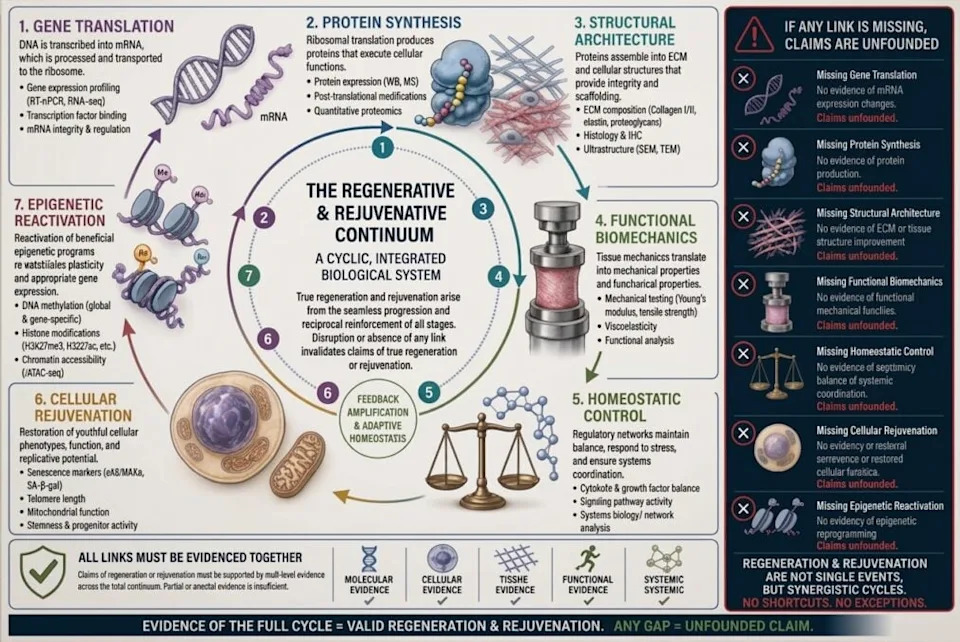
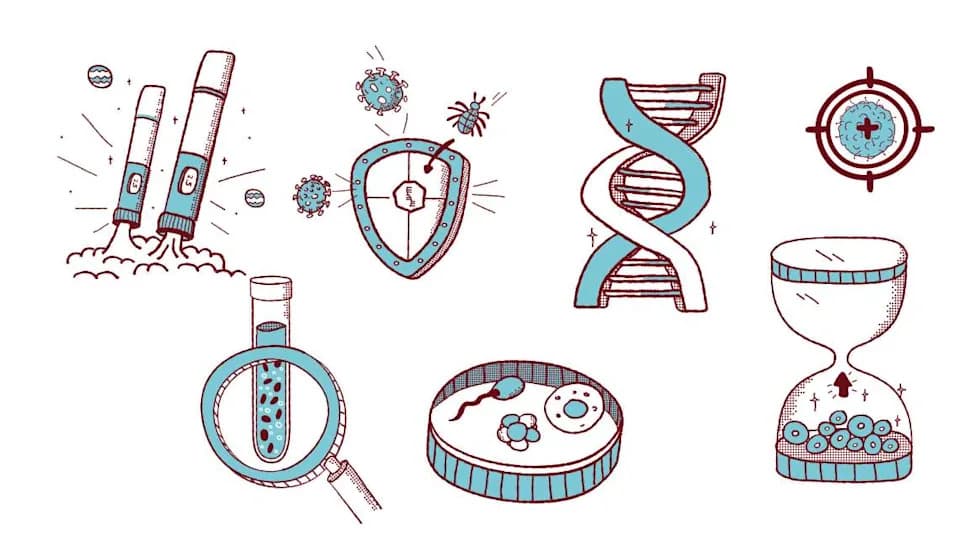
The seven biological domains used by the researchers to assess claims of true tissue regeneration and rejuvenation. (Webb et al., Research Square, 2026)
Key Findings
Of 34 primary studies that could be scored with this framework, 26 (76.5%) fell into an "inadequate evidence" range. No study scored higher than 5 out of 22; the authors set their lowest threshold for "rejuvenation" at 6. The single study that reached 5 points was an in vitro (cell-based) experiment; among human clinical studies the highest score was 4.

Subscribe to ScienceAlert's free fact-checked newsletter
"Claiming one part is conclusive without assessing all components is like trying to make bread when the only ingredient you have is yeast," said lead author William Richard Webb, emphasizing that collagen increases alone do not prove true regeneration.
What Was Missing
Most studies measured collagen, a familiar marker because it contributes to skin strength and structure. However, other important indicators were rarely assessed: the organization of newly formed tissue, measurable changes in skin function, reversal of cellular hallmarks of aging (for example, gene expression shifts, DNA damage markers or proliferative capacity), and integrated functional outcomes.
Study And Evidence Limitations
The reviewers also noted frequent methodological weaknesses in the literature: small sample sizes, lack of control groups, reliance on subjective measures, and inconsistent or nonstandardized outcomes. The review itself is a preprint on Research Square and has not yet undergone peer review. The team’s 22-point scoring system was devised by the authors and may not capture every possible dimension of rejuvenation; the search covered three databases and could have missed some reports.
Bottom Line
Current aesthetic treatments can clearly improve appearance—fillers restore volume, some procedures increase collagen and certain lasers improve texture. But the available clinical literature rarely assembles the broad biological evidence necessary to claim true tissue "regeneration" or that skin has become biologically younger. The authors call for larger, standardized clinical studies that measure multiple structural, functional and cellular endpoints, and for marketing claims to accurately reflect the strength of scientific evidence.
Note: This review is available as a preprint on Research Square and has not yet been peer-reviewed.
Help us improve.