AI tools are creating increasingly realistic wildlife images — like an orangutan appearing to cradle leopard cubs — that are spreading widely on social media. Conservationists warn these fakes can mislead the public, encourage dangerous close encounters, and drive exploitation for tourism or the pet trade. Studies in Conservation Biology and commentary in Nature call AI misinformation a "major threat" to research and species identification, while platforms require AI labels even as many posts remain unlabeled.
Conservationists Warn: AI-Generated Wildlife Images Threaten Animals and People
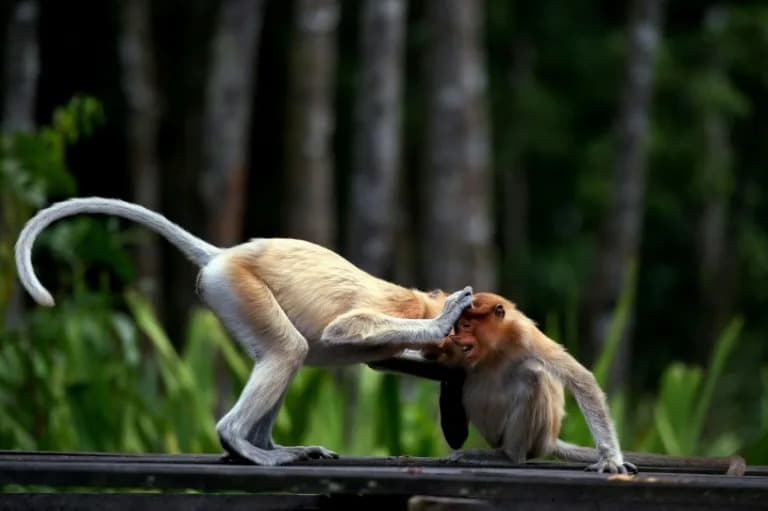
Conservationists warn AI visuals of wild animals make it harder for people to discern what is real (Alex Ogle)
A striking black-and-white image that supposedly showed an orangutan cradling endangered leopard cubs in Malaysia's Sabah state has been exposed as synthetic — part of a growing wave of hyper-realistic wildlife visuals produced by artificial intelligence. Conservationists and fact-checkers warn these images can mislead the public, endanger people and animals, and undermine scientific research.
How AI Wildlife Fakes Spread
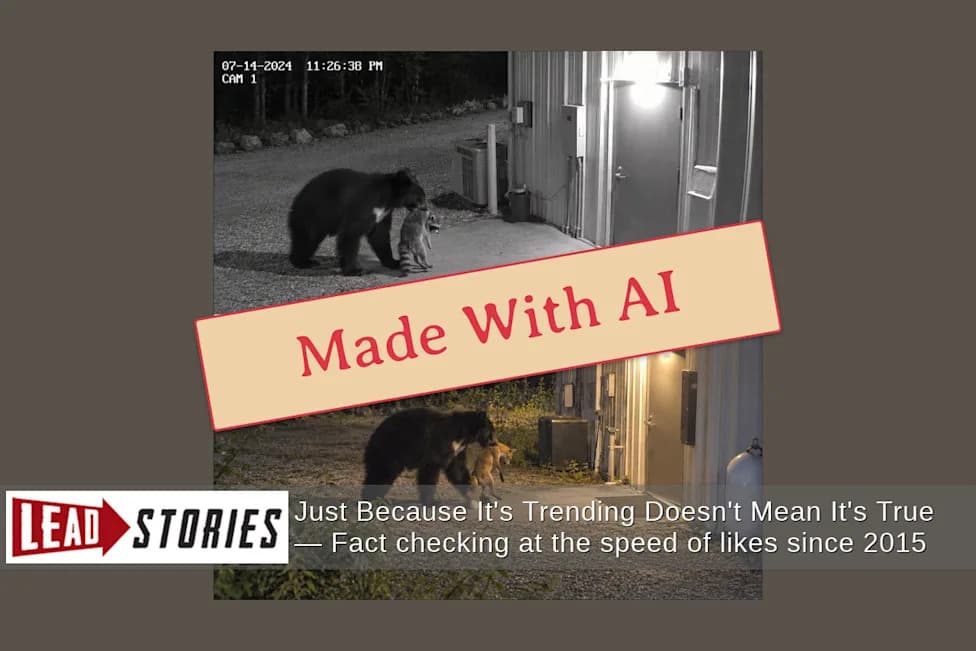
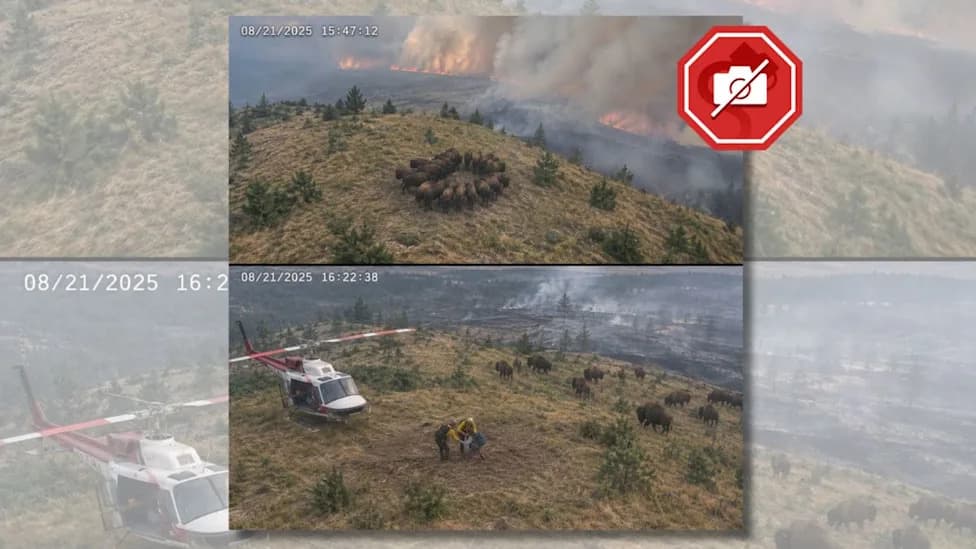
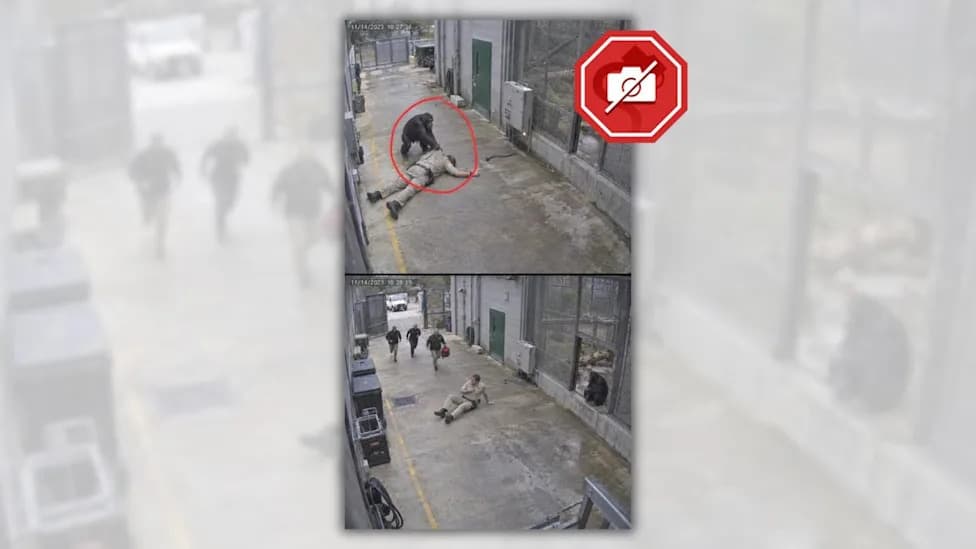
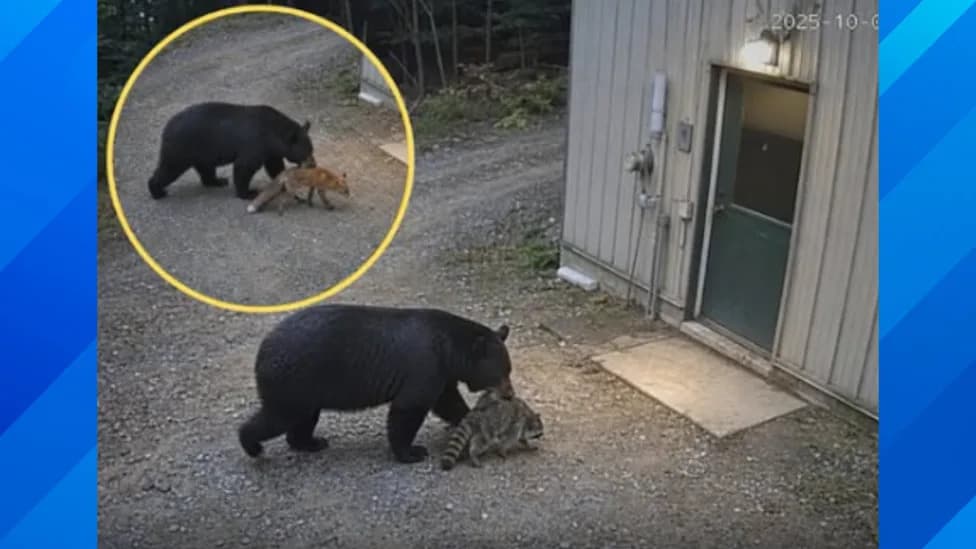
AFP fact-checkers have debunked dozens of similar fabrications — from an elephant climbing a tree to escape flooding in Myanmar to a pink dolphin leaping from Philippine waters. These visuals often circulate with sentimental captions and are widely shared across platforms such as Facebook, TikTok and X in multiple languages.
Why Experts Are Concerned
While the images may appear harmless or heartwarming, experts say they distort public understanding of wild species and encourage risky behavior. "This misunderstanding can lead people to approach animals too closely or interact with them in unsafe ways," said Jose Guerrero-Casado, a zoology professor at Spain's University of Cordoba. He pointed to a January incident in Xinjiang, China, where a woman was attacked by a rare snow leopard after moving closer to take a photo.
"Conservation depends on a well-informed society that understands the ecological and conservation needs of wild species," Guerrero-Casado said. "AI-generated fake content does not contribute to this goal."
Risks to Conservation and Research
Conservation groups warn that portraying wild animals as tame, cuddly, or pet-like can fuel exploitation — from using animals as tourist photo props to increased demand for illegal pet trade. Chris Lewis of the charity Born Free said such visuals can encourage the use of animals for content creation and tourism.
Researchers also rely on photos and audio from citizen science platforms to monitor species distribution and abundance. Experts writing in Nature and a September study in Conservation Biology describe AI misinformation as a "major threat" that could corrupt datasets, mislead species identification, and skew conservation priorities. They call for stronger authentication systems and public education about media manipulation.
Platforms and Fact-Checking
Meta (Facebook's parent company) and TikTok require creators to label realistic visuals that were generated or heavily altered by AI, and both companies say they deploy automated tools to tag such content. Despite these measures, AFP fact-checkers continue to find wildlife posts without clear labels — sometimes even when captions admit the content is fake. Meta and TikTok commission independent fact-checking organizations, including AFP, to review potentially false posts.
Jenny Roberts of WWF emphasized another consequence: fake visuals desensitize audiences to real, remarkable footage. She recounted how a WWF camera trap that captured a tiger with five cubs in China was questioned on social media as possibly AI-manipulated — despite being genuine and unprecedented in that region.
What Can Be Done
Experts recommend: improved labeling and detection tools by platforms, stricter verification of citizen-submitted data, public education campaigns on digital media literacy, and continued investment in independent fact-checking. These steps are critical to protect both people and wildlife and to preserve the integrity of conservation science.
Help us improve.