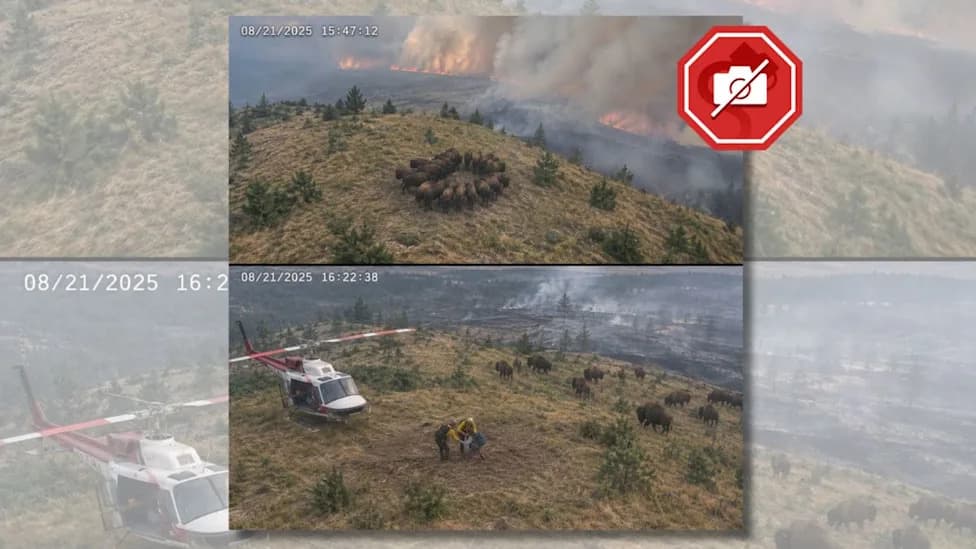
False: A viral image claiming a herd of bison encircled and protected a hiker from a wildfire is fabricated. The photo shows clear signs of AI generation—duplicated animals and anatomically impossible features—and the post appears to come from an account known for sharing synthetic content. No reputable news outlets reported such a rescue, and wildlife experts say bison do not shelter unrelated humans from fires. This is an example of low-quality "AI slop" misinformation.
Fact Check: Viral Photo Of Bison 'Protecting' Hiker From Wildfire Is Fake
Facebook user "Wonder Paws"
This fact check examines a widely shared image and accompanying story claiming a herd of wild bison surrounded and protected a stranded hiker from a wildfire. The photograph and narrative are false: the image shows clear signs of artificial generation, and there is no credible evidence that bison have sheltered a human from fire in this way.
What The Claim Says
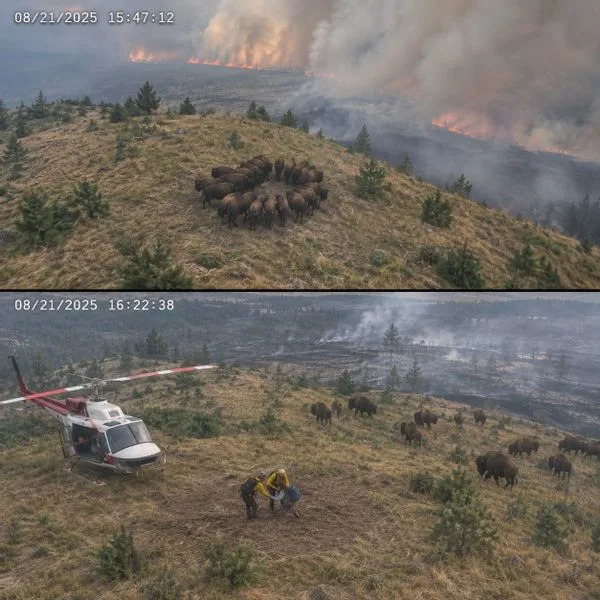
The viral post—shared on Facebook—asserts that a woman named “Rachel” became trapped on an open ridge when a controlled burn turned into a fast-moving wildfire. According to the story, roughly 30 bison suddenly formed a tight outward-facing circle around her, creating a trampled, fire-resistant buffer until a helicopter rescue team arrived.
Why The Claim Is False
Visual Forensics: Careful inspection of the image reveals classic artifacts of synthetic image generation. In the upper portion of the composite, several bison exhibit impossible anatomy (heads appearing on both sides of the body). In the lower portion, multiple animals appear duplicated—copy-and-paste repetitions—and the purported hiker is missing from that view. Those anomalies are strong indicators the picture was produced or heavily manipulated by AI tools, not captured by a camera.
Provenance And Corroboration: The post appears to originate from a Facebook account with a documented history of sharing AI-generated content. The image carries a timestamp claiming August 2025, but searches of major, reputable news outlets (for example, Associated Press and Reuters) found no reports of such an extraordinary rescue. A genuine incident of this scale would almost certainly have attracted coverage and included specific location details and official statements; the viral post contains none.
What Experts Say About Bison Behavior
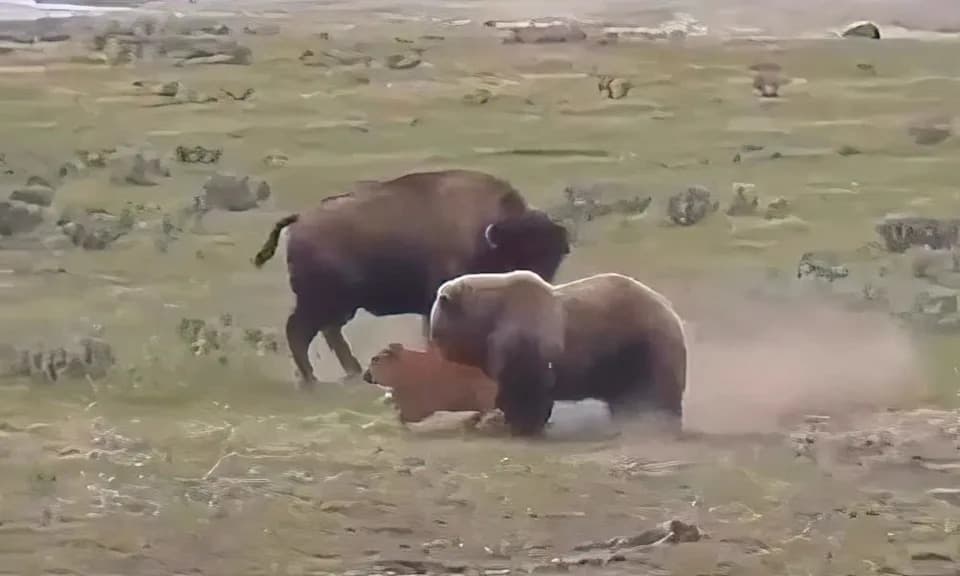
Bison do sometimes form defensive formations to protect calves from predators, but there is no documented scientific or wildlife-management evidence that herds intentionally encircle and protect an unrelated human from wildfire. The claim that wildlife officials had “no explanation” is unsupported: no verifiable wildlife or fire officials are quoted in the post.
Context: "AI Slop" And Misinformation
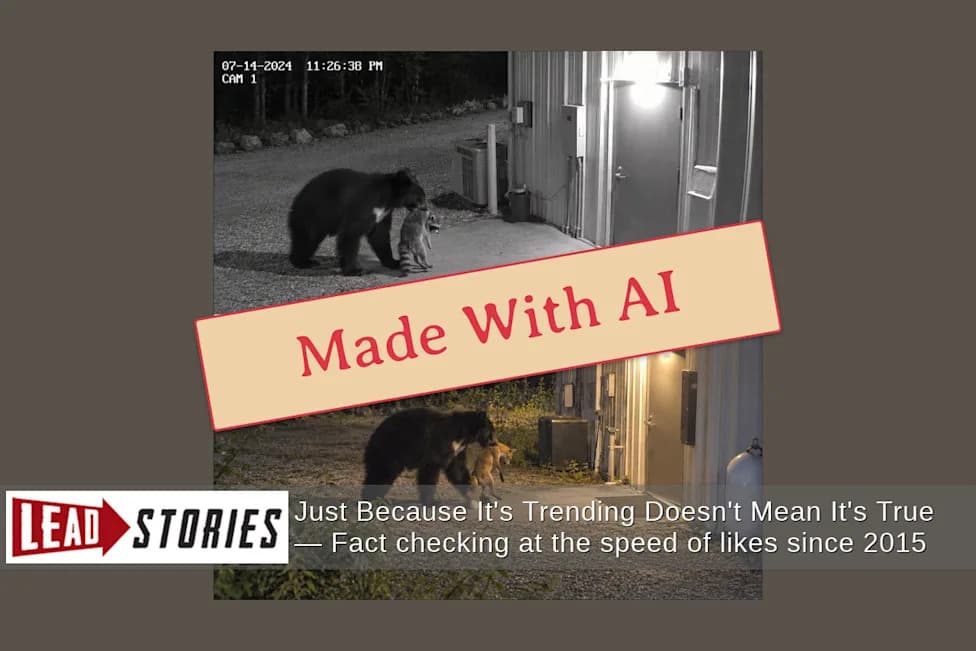
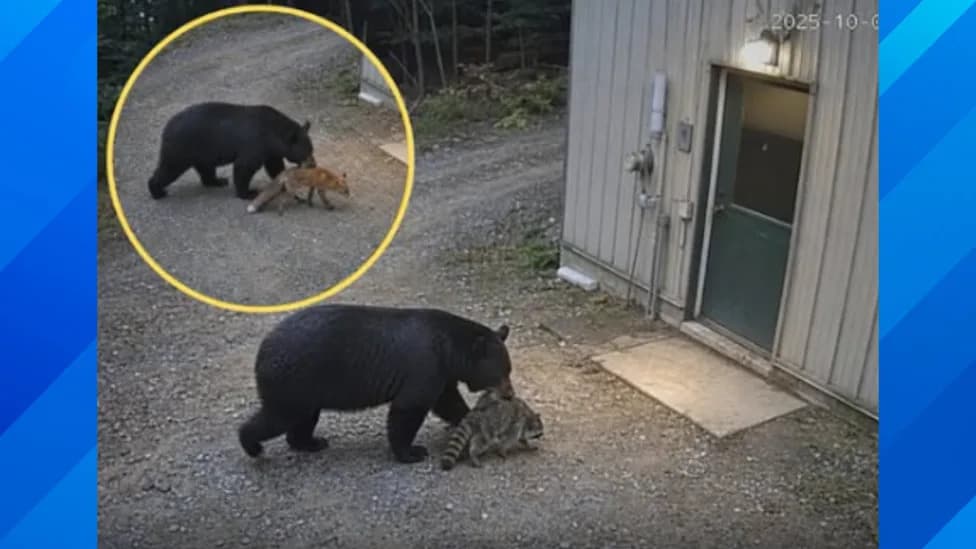
This example fits a pattern fact-checkers call "AI slop": easy-to-create, low-quality synthetic content that spreads quickly on social platforms and blurs the line between real and fake events. Fact-checking organizations such as Snopes have cataloged many similar cases and offer guidance on spotting manipulated or AI-generated images.
"AI slop" includes images with duplicated elements, odd anatomy, inconsistent lighting, and other visual glitches produced by generative tools.
How To Spot Similar Fake Images
- Look for duplicated or repeated elements (identical animals or objects).
- Check for anatomical or physical impossibilities (heads or limbs misplaced, shadows that don't match).
- Verify the source: is the account known for producing or sharing synthetic content?
- Search reputable news outlets for corroboration—extraordinary claims usually have multiple trustworthy sources.
Conclusion
The viral photograph and the rescue narrative are not authentic. Visual artifacts indicate AI generation, the post originated from a source with a history of synthetic content, and no independent, reliable reporting corroborates the dramatic story. Treat the image and caption as misinformation.
Sources
Fact-checking collections and articles on AI-generated misinformation (e.g., Snopes), and searches of major wire services and news outlets that returned no corroborating reports.
Help us improve.