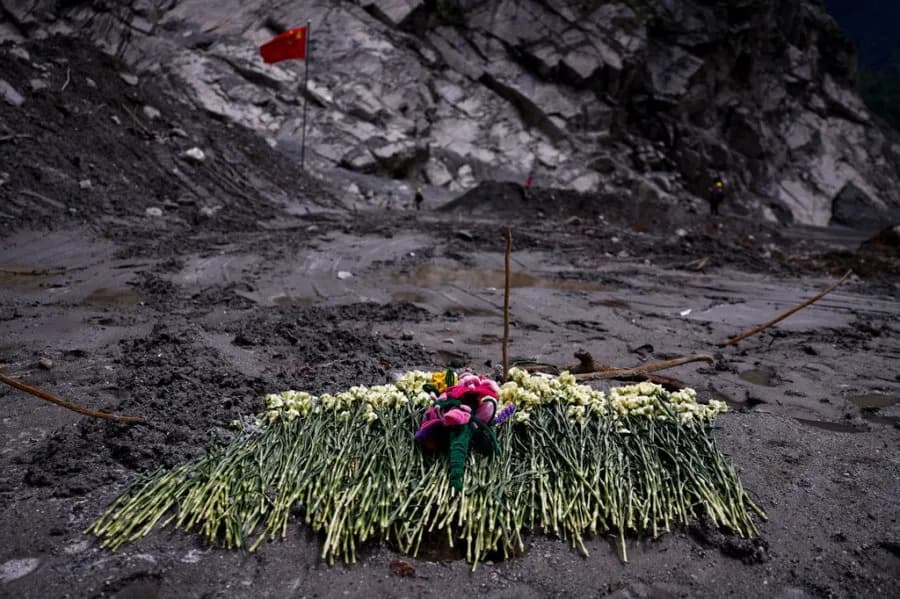
Chinese President Xi Jinping urged stronger disaster prevention and response after a summer of deadly floods and landslides, with remarks published in the Communist Party journal Qiushi. He called for pre-disaster planning, better monitoring and early warnings, and upgrades to flood-control and drainage in northern China. Xi also recommended using technologies such as AI, drones and satellite remote sensing, and warned that disaster risks must not threaten economic, energy, food or social security.
Xi Calls For Stronger Disaster Preparedness After Deadly Typhoon and Landslides in China
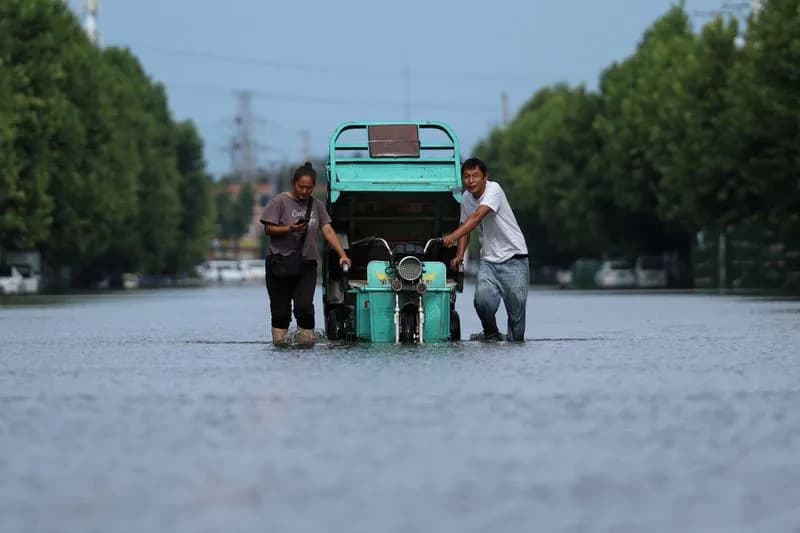
Residents push a vehicle as they wade through a flooded street, following heavy rainfall brought by remnants of Typhoon Dolphin, in Xuchang, Henan province, China August 13, 2026. REUTERS/Tingshu Wang
BEIJING, Aug 15 — Chinese President Xi Jinping has called for bolstering the country's ability to prevent, mitigate and respond to natural disasters after a summer of deadly floods and landslides.
Xi's remarks, published on Saturday in Qiushi, the Communist Party's flagship theory journal, followed the nation's strongest typhoon this year and a string of landslides that together claimed dozens of lives. The comments were drawn from a speech Xi delivered at a Politburo study session on April 28.
"As global warming continues, extreme weather events and disasters such as torrential rains, floods, typhoons, and droughts are increasing significantly, exacerbating their destructive impact," Xi said in the article.
He urged a shift toward pre-disaster prevention and stronger monitoring and early-warning systems. Xi also called for targeted upgrades to flood-control and drainage infrastructure in northern China to close critical gaps ahead of the flood season.
Measures and Technology
Xi emphasized that disaster risks must not be allowed to spill over into economic, energy, food or social security. He recommended wider use of modern technologies—such as artificial intelligence, drones and satellite remote sensing—to improve rescue operations, damage assessment and situational awareness.
Key recent events cited in the article include intense rains from the country's strongest typhoon this year that inundated major roads in the capital and left vehicles stranded, flash-flood-triggered landslides in northwestern Gansu province that killed 25 people, and a separate mountain collapse in Chongqing that left 51 dead.
Scientists increasingly link the rise in destructive weather to climate change, and meteorologists say an emerging El Niño pattern this year has raised temperatures and may be contributing to more frequent and intense typhoons.
"China will continuously improve our ability and level of prevention and response to various natural disasters, and effectively safeguard the lives and property of the people and social stability," Xi said, stressing coordinated planning across local and national agencies.
The article in Qiushi summarizes Xi's guidance as China grapples with a season of extreme weather and mounting pressure to strengthen disaster resilience.
(Reporting by Ziyi Tang, Xiangming Hou and Ryan Woo; Editing by Jacqueline Wong)
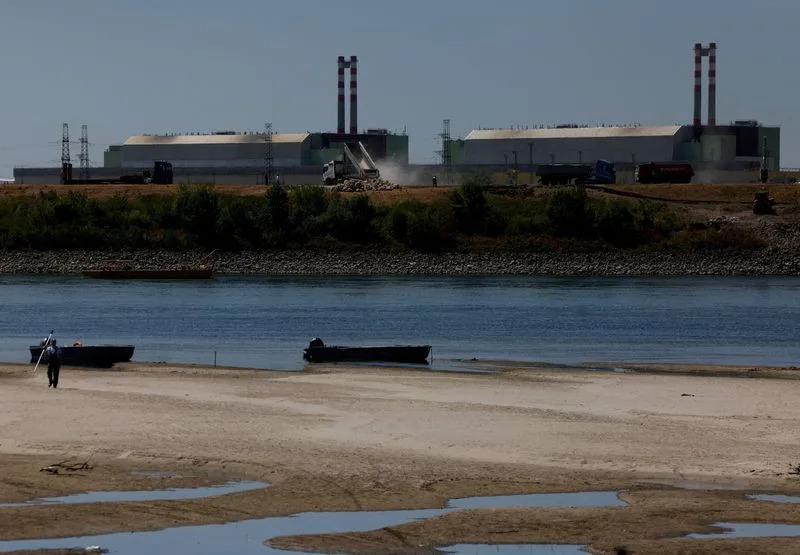
FILE PHOTO: A view of Paks Nuclear Power Plant, as the construction begins on a riverbed sill to raise the Danube's water level in Dunaszentbenedek, Hungary, August 13, 2026. REUTERS/Bernadett Szabo/File Photo
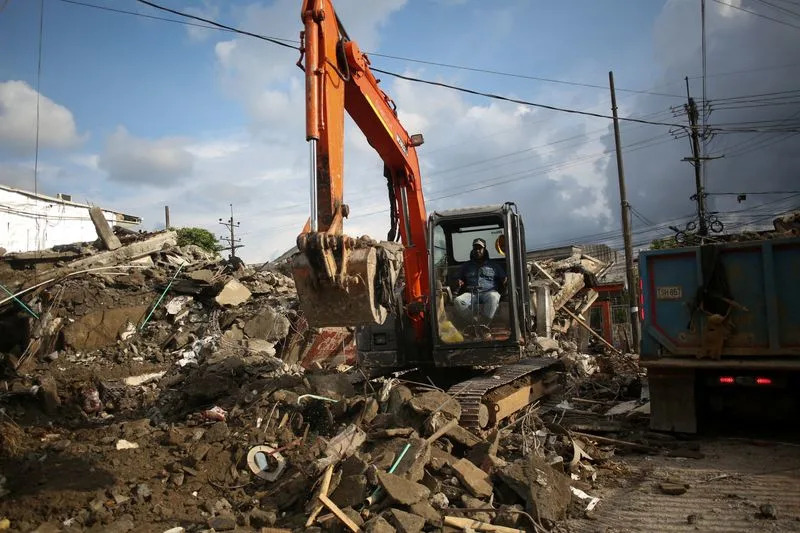
A man operates an excavator in the aftermath of an earthquake in Quibdo, Colombia, August 14, 2026. REUTERS/Juan David Duque
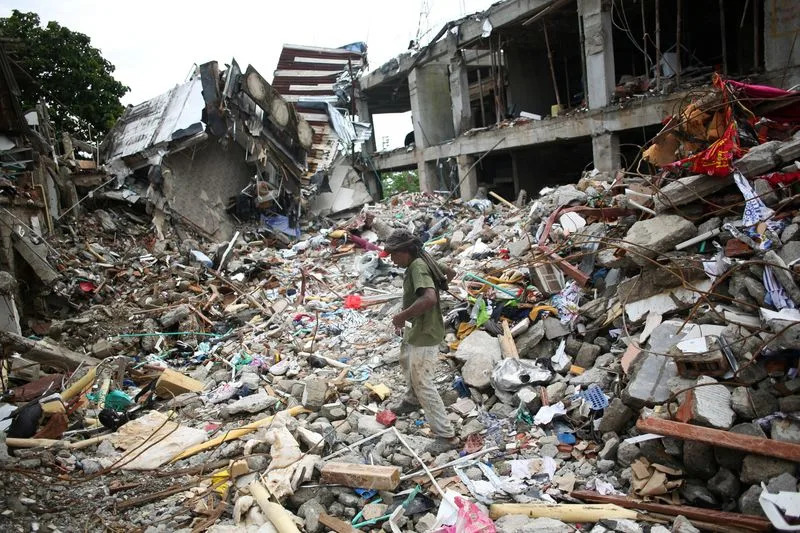
Wilmar Robledo collects materials that can be sold, such as metal and copper, amid debris after volunteering in rescue efforts in the aftermath of an earthquake in Quibdo, Colombia, August 14, 2026. REUTERS/Juan David Duque
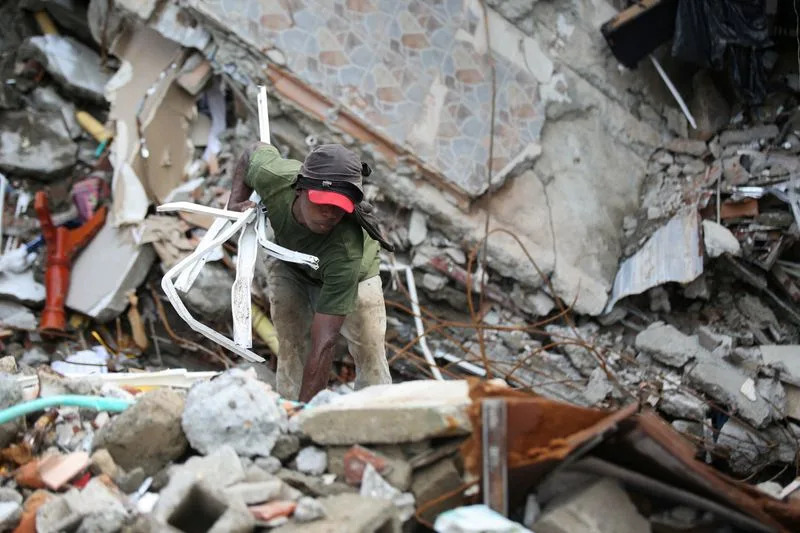
Wilmar Robledo collects materials that can be sold, such as metal and copper, amid debris after volunteering in rescue efforts in the aftermath of an earthquake in Quibdo, Colombia, August 14, 2026. REUTERS/Juan David Duque
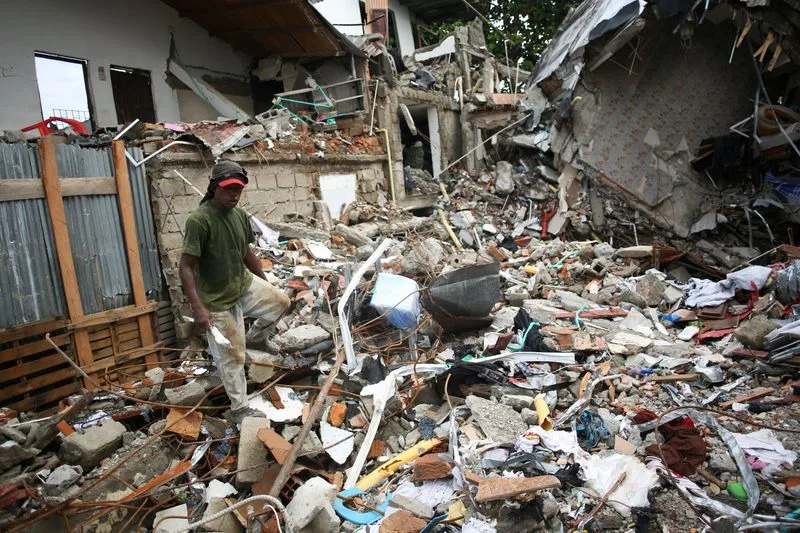
Wilmar Robledo collects materials that can be sold, such as metal and copper, amid debris after volunteering in rescue efforts in the aftermath of an earthquake in Quibdo, Colombia, August 14, 2026. REUTERS/Juan David Duque
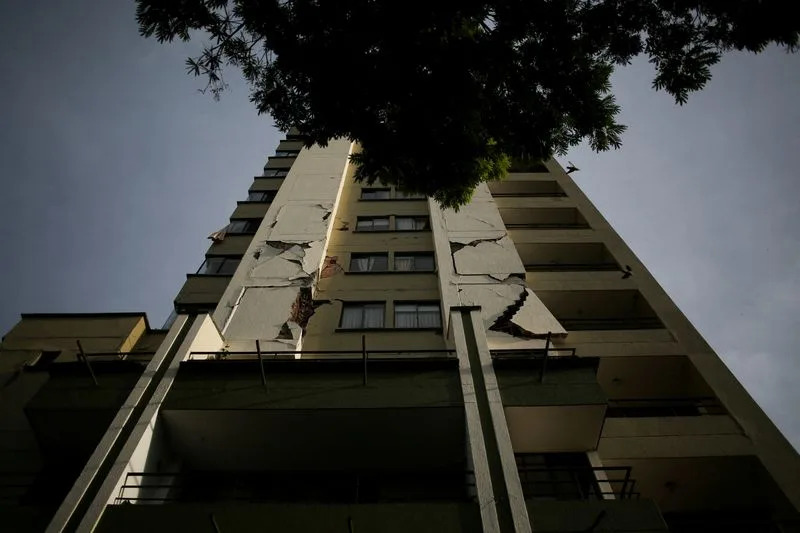
A building damaged in an earthquake, in Pereira, Colombia, August 12, 2026. REUTERS/Juan David Duque TPX IMAGES OF THE DAY
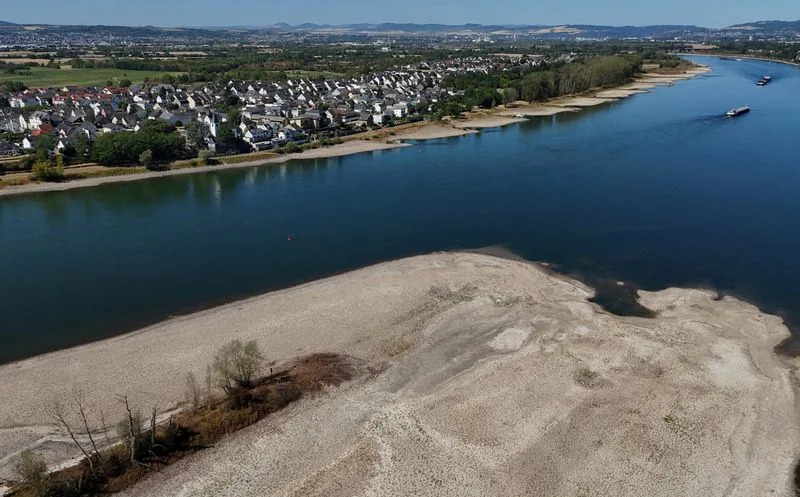
FILE PHOTO: Boats sail on the Rhine river with low water levels near Bendorf, Germany, August 11, 2026, during prolonged dry weather across Europe that causes massive consequences for German industry. REUTERS/Stephane Nitschke/File Photo
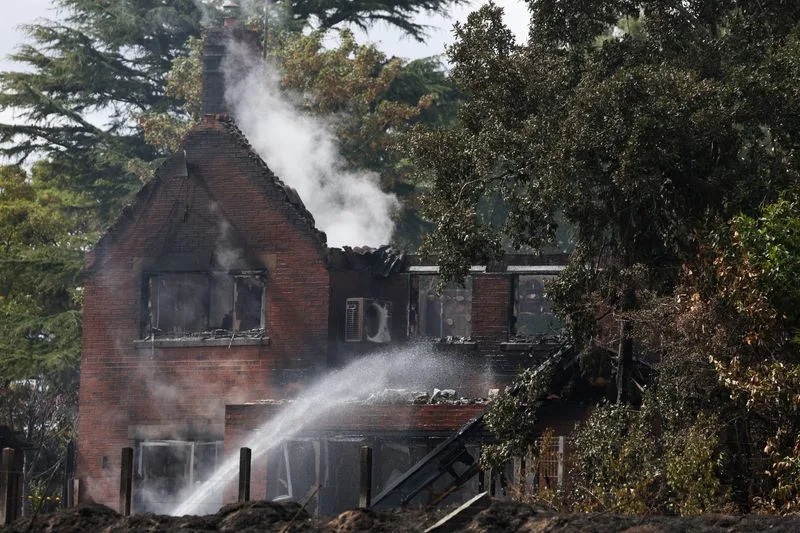
Firefighters spray water as smoke rises from a burnt-out house following a large grass fire which spread to several homes yesterday during the hottest day of the year, in Stourbridge, West Midlands, Britain, August 14, 2026. REUTERS/Temilade Adelaja
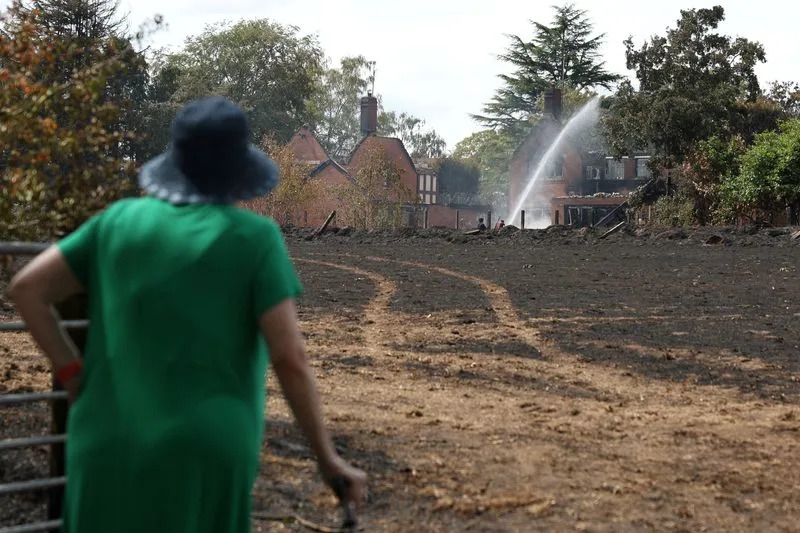
A woman watches as firefighters spray water on a burnt-out house following a large grass fire which spread to several homes yesterday during the hottest day of the year, in Stourbridge, West Midlands, Britain, August 14, 2026. REUTERS/Temilade Adelaja
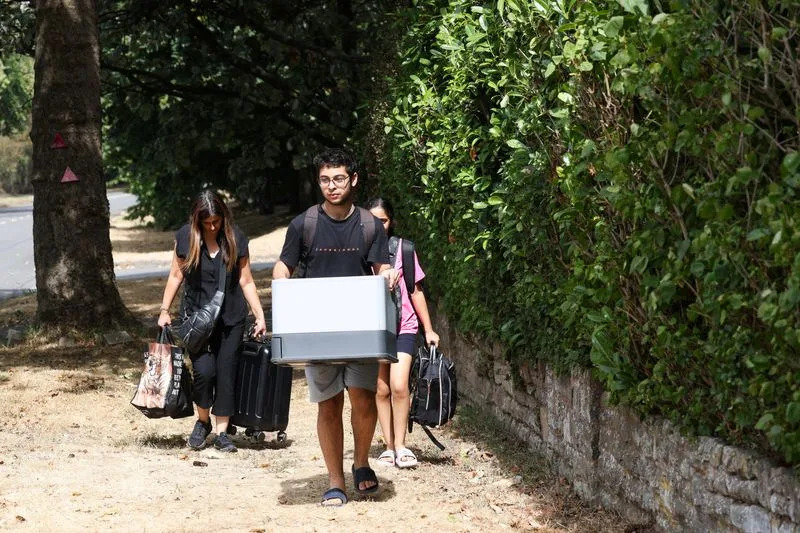
Residents evacuate following a large grass fire which spread to several homes yesterday during the hottest day of the year, in Stourbridge, West Midlands, Britain, August 14, 2026. REUTERS/Temilade Adelaja
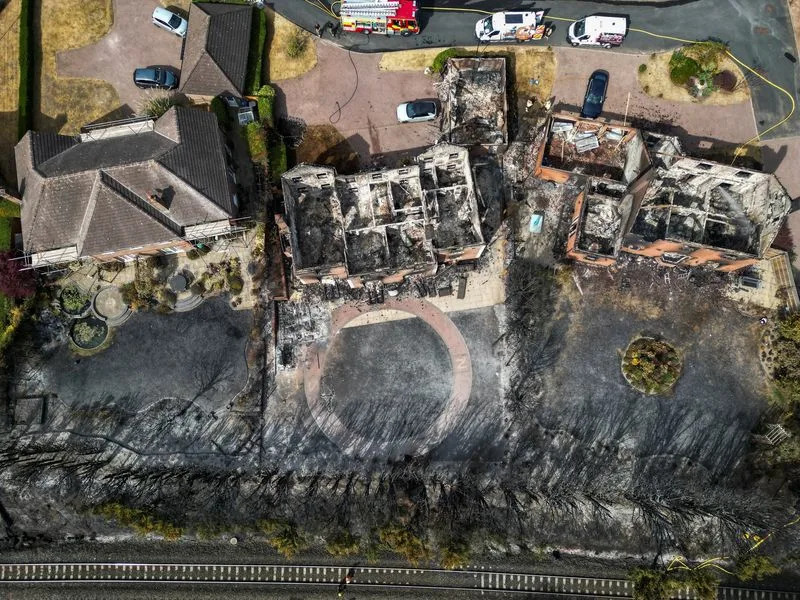
A drone view of burnt-out houses following a large grass fire which spread to several homes yesterday during the hottest day of the year, in Stourbridge, West Midlands, Britain, August 14, 2026. REUTERS/Temilade Adelaja
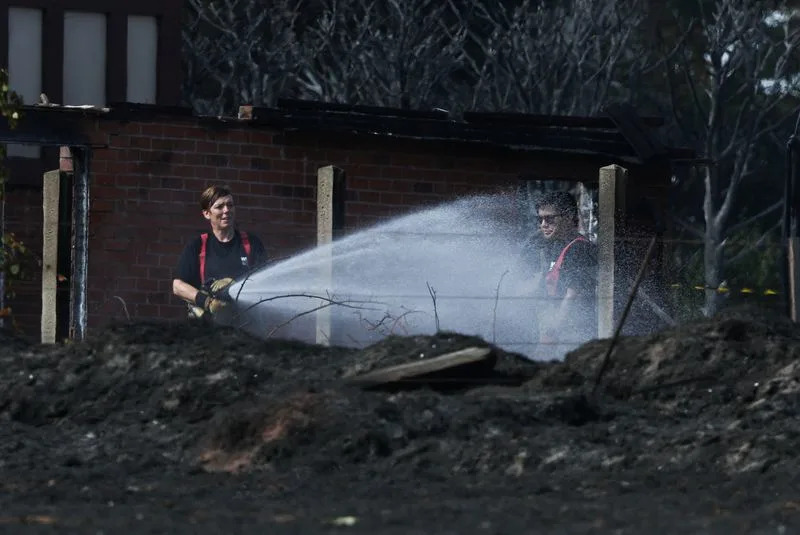
Firefighters work near a burnt-out house following a large grass fire which spread to several homes yesterday during the hottest day of the year, in Stourbridge, West Midlands, Britain, August 14, 2026. REUTERS/Temilade Adelaja
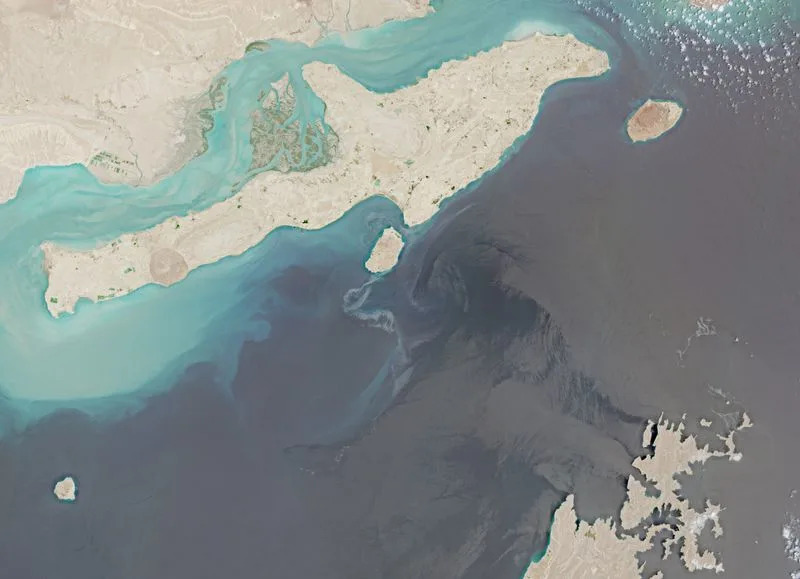
A satellite image shows Qeshm Island following suspected oil spills at sea, off the coast of Iran, August 10, 2026. European Union/Copernicus Sentinel-2/Handout via REUTERS
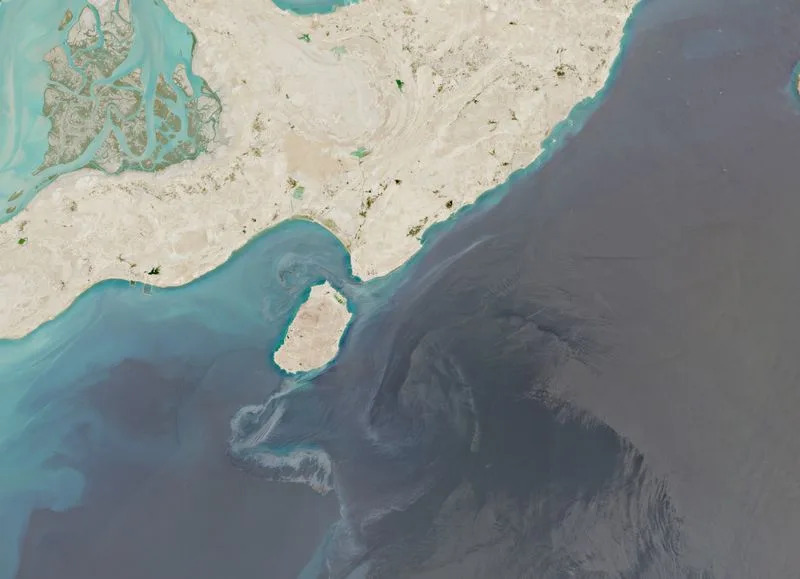
A satellite image shows Qeshm Island following suspected oil spills at sea, off the coast of Iran, August 10, 2026. European Union/Copernicus Sentinel-2/Handout via REUTERS
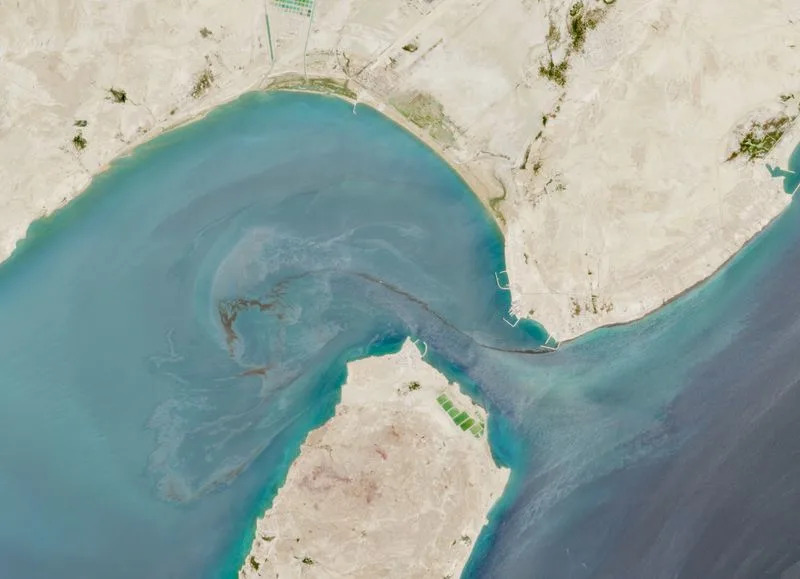
A satellite image shows Qeshm Island following suspected oil spills at sea, off the coast of Iran, August 10, 2026. European Union/Copernicus Sentinel-2/Handout via REUTERS
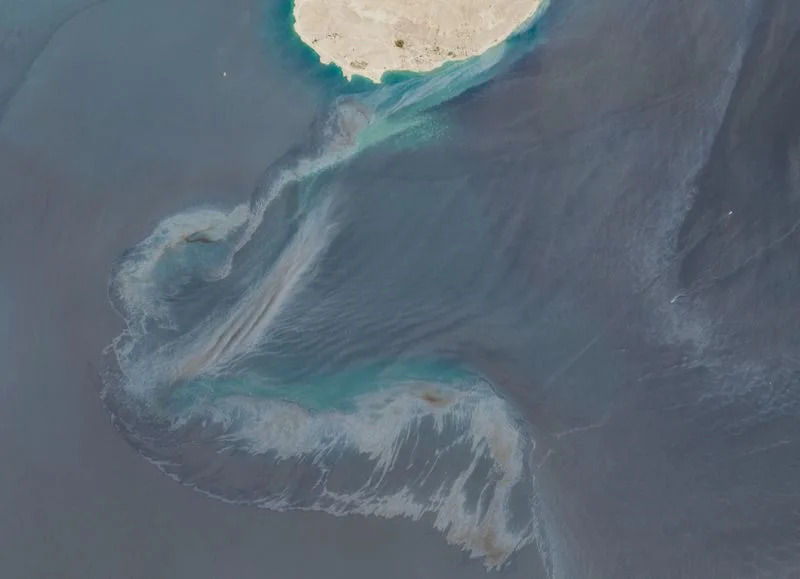
A satellite image shows Qeshm Island following suspected oil spills at sea, off the coast of Iran, August 10, 2026. European Union/Copernicus Sentinel-2/Handout via REUTERS
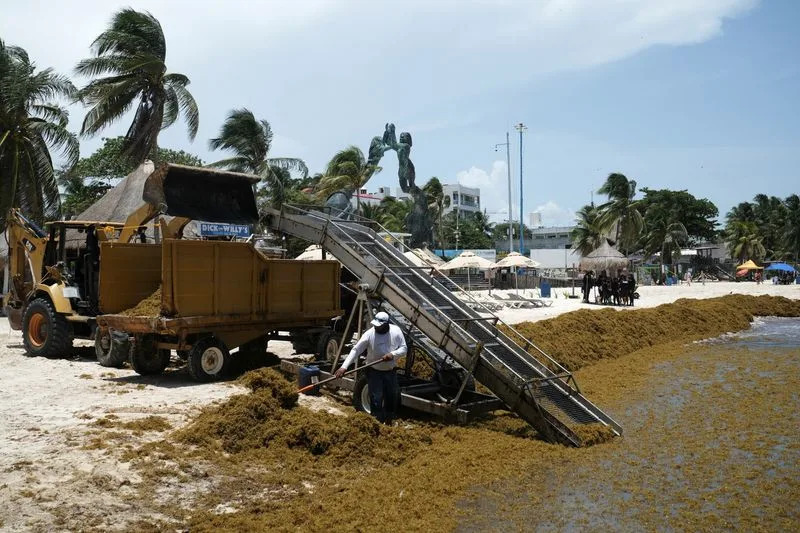
A municipal worker uses a garden fork to remove sargassum seaweed from a beach as Mexico scrambles to contain a record surge of foul-smelling sargassum along its Caribbean coast, where the brown seaweed has swamped beaches in the heart of the country's tourism belt, in Playa del Carmen, Mexico, August 6, 2026. REUTERS/Paola Chiomante

Empty palapas stand near sargassum seaweed collected from a beach as Mexico scrambles to contain a record surge of foul-smelling sargassum along its Caribbean coast, where the brown seaweed has swamped beaches in the heart of the country's tourism belt, in Playa del Carmen, Mexico, August 6, 2026. REUTERS/Paola Chiomante
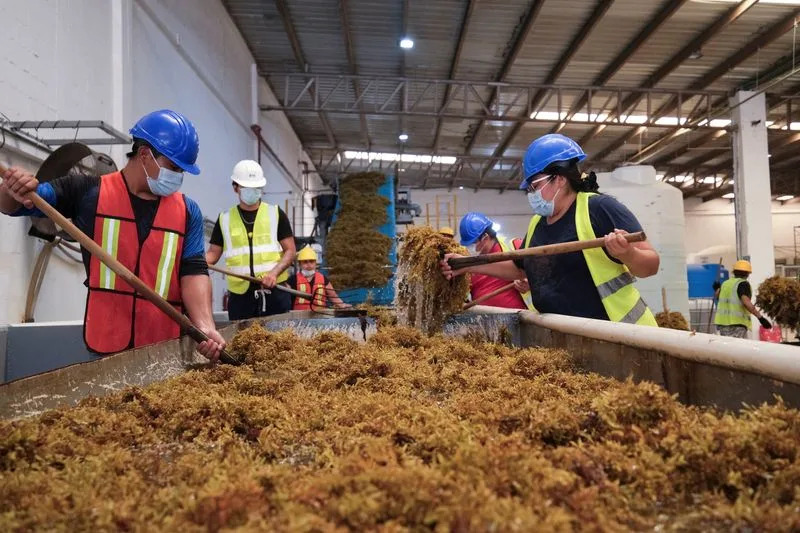
Employees at CarbonWave, a company that processes sargassum into liquid biostimulants and fertilizers, work at the company's facilities as Mexico scrambles to contain a record surge of foul-smelling sargassum along its Caribbean coast, where the brown seaweed has swamped beaches in the heart of the country's tourism belt, in Puerto Morelos, Mexico, August 12, 2026. REUTERS/Paola Chiomante

Employees at CarbonWave, a company that processes sargassum into liquid biostimulants and fertilizers, work at the company's facilities as Mexico scrambles to contain a record surge of foul-smelling sargassum along its Caribbean coast, where the brown seaweed has swamped beaches in the heart of the country's tourism belt, in Puerto Morelos, Mexico, August 12, 2026. REUTERS/Paola Chiomante
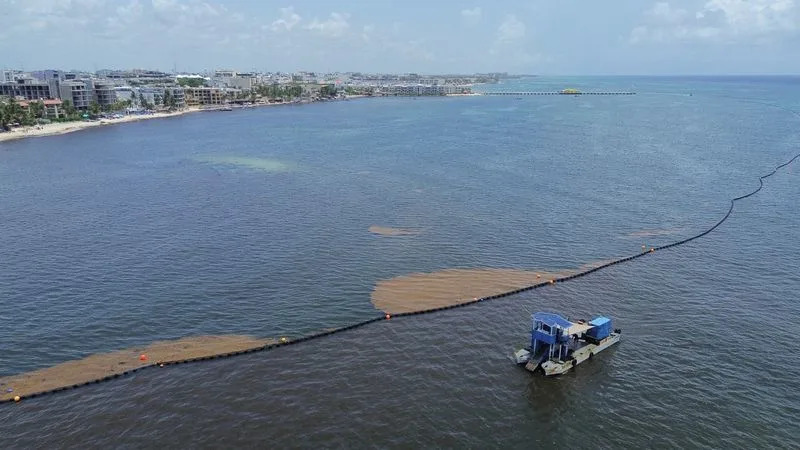
A drone view shows a sargassum collection boat operated by the Secretariat of the Navy (SEMAR) navigating alongside an anti-sargassum barrier as Mexico scrambles to contain a record surge of foul-smelling sargassum along its Caribbean coast, where the brown seaweed has swamped beaches in the heart of the country's tourism belt, in Playa del Carmen, Mexico, August 6, 2026. REUTERS/Paola Chiomante
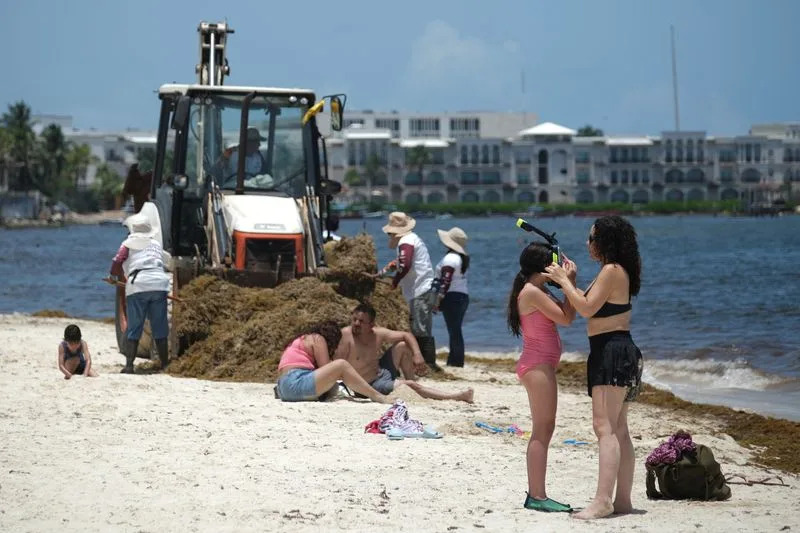
Tourists stand near municipal workers removing sargassum seaweed from a beach as Mexico scrambles to contain a record surge of foul-smelling sargassum along its Caribbean coast, where the brown seaweed has swamped beaches in the heart of the country's tourism belt, in Playa del Carmen, Mexico, August 6, 2026. REUTERS/Paola Chiomante
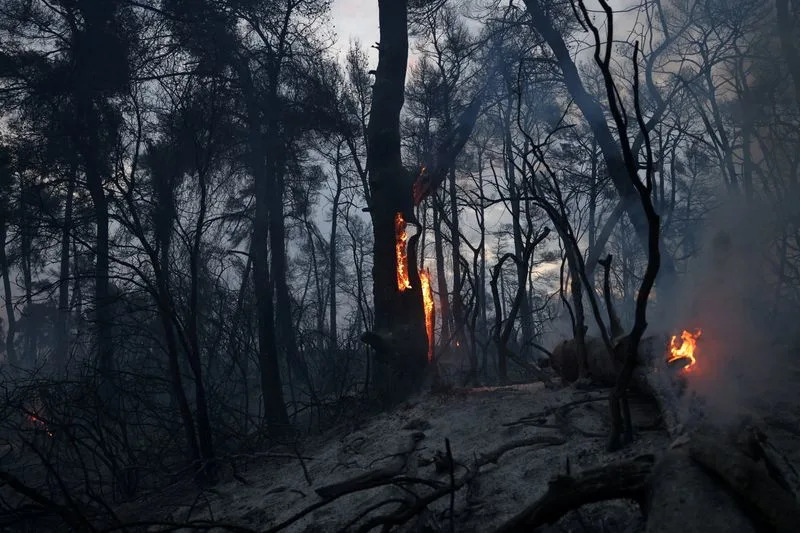
A burned forest area, following a wildfire near the resort of Siviri, Halkidiki, Greece, August 14, 2026. REUTERS/Alexandros Avramidis
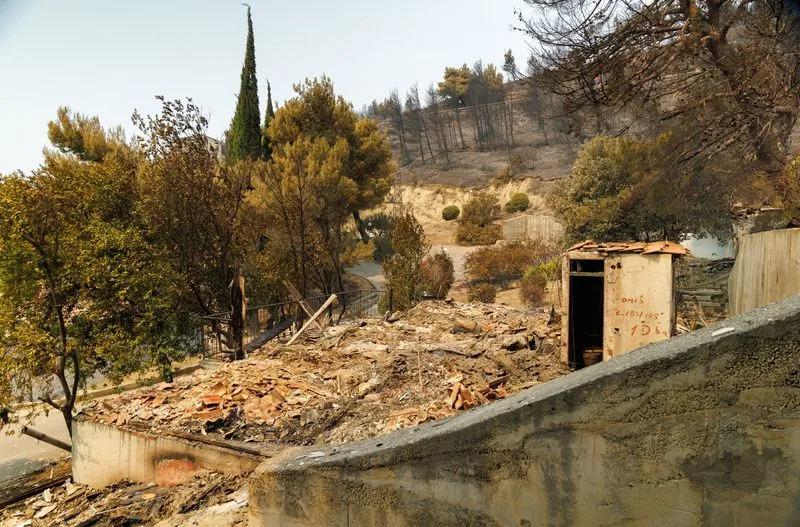
A burnt-out house following wildfire in Mala Luka, Croatia, August 14, 2026. REUTERS/Antonio Bronic
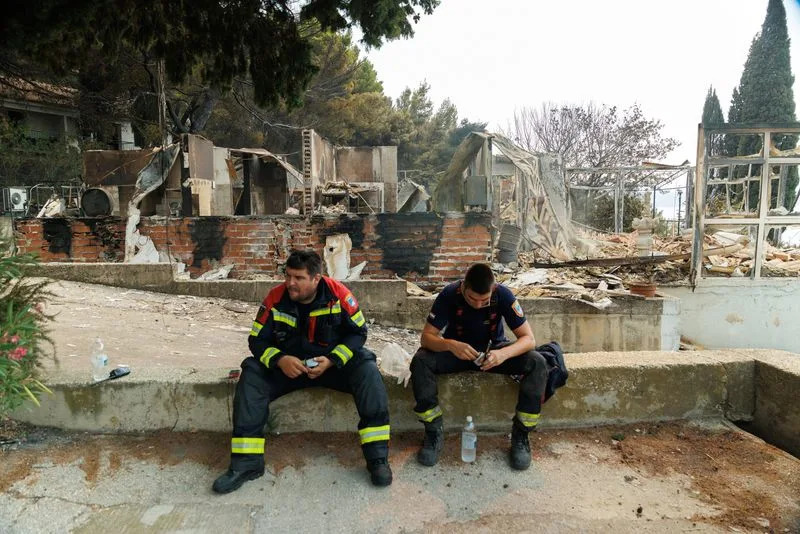
Firefighters rest next to a burnt-out house following wildfire in Mala Luka, Croatia, August 14, 2026. REUTERS/Antonio Bronic
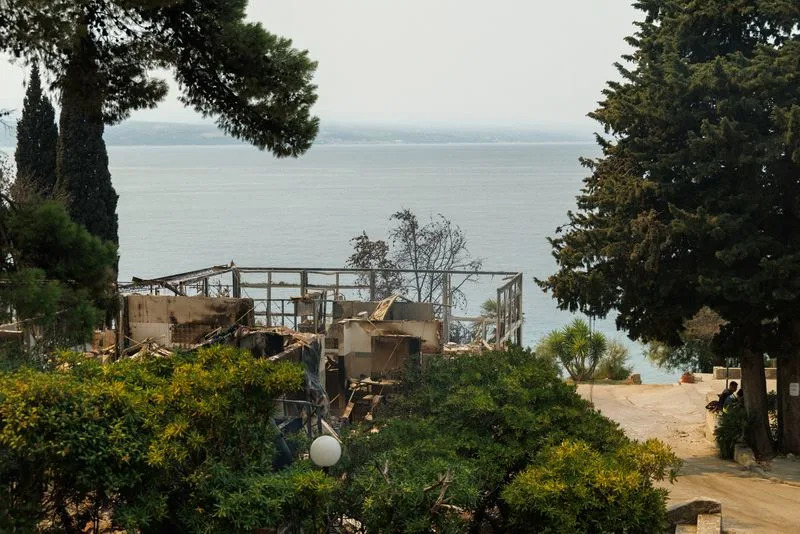
A burnt-out house following wildfire in Mala Luka, Croatia, August 14, 2026. REUTERS/Antonio Bronic
Help us improve.