Satellite images reveal the visible toll of successive heatwaves across western Europe: retreating glaciers, extensive wildfires and unusually low river levels. Copernicus reports the warmest June–July on record, while persistent high-pressure systems and long-term climate warming have intensified the event. Key impacts include extremely low Danube flows that exposed historic finds, nuclear plants operating at reduced capacity, roughly 50m of Rhône Glacier retreat, and over 90,000 hectares burned in France. Scientists warn widespread vegetation stress and potential, lasting agricultural damage.
Space Images Reveal Europe's Scorched Summer: Glaciers, Rivers and Farms Hit by Record Heat
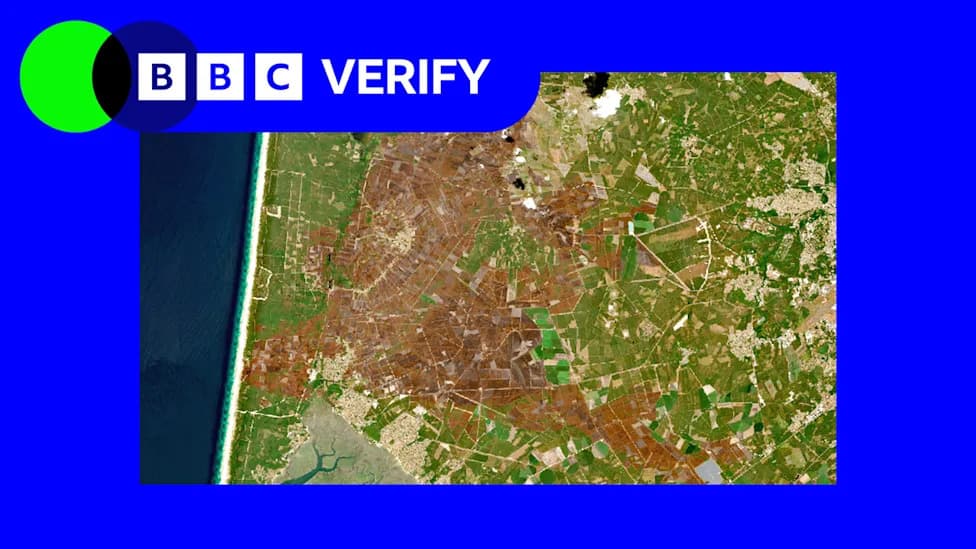
The impact of the heat has been noticeable in satellite imagery [Sentinel-2, Copernicus]
Satellite imagery now provides stark visual evidence of the damage wrought by successive heatwaves across western Europe since May, showing retreating glaciers, wildfire-scorched landscapes, parched fields and unusually low river levels.
What the Satellites Show
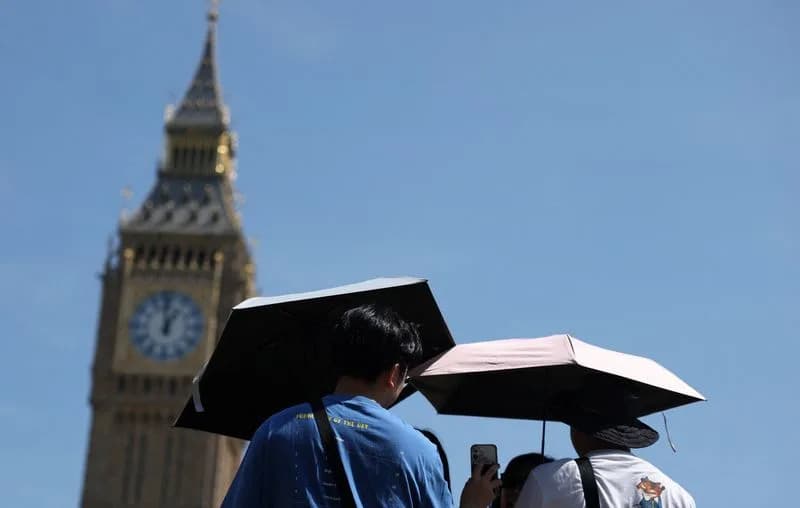
Analyses by BBC Verify and the EU's Copernicus climate service highlight multiple impacts visible from space. Copernicus confirmed that western Europe experienced its warmest June–July period on record, while the Met Office points to persistent high-pressure systems as the immediate weather driver. Scientists stress that long-term warming from fossil-fuel-driven climate change has made such extremes more likely and more intense.
[BBC]
Rivers and Industry
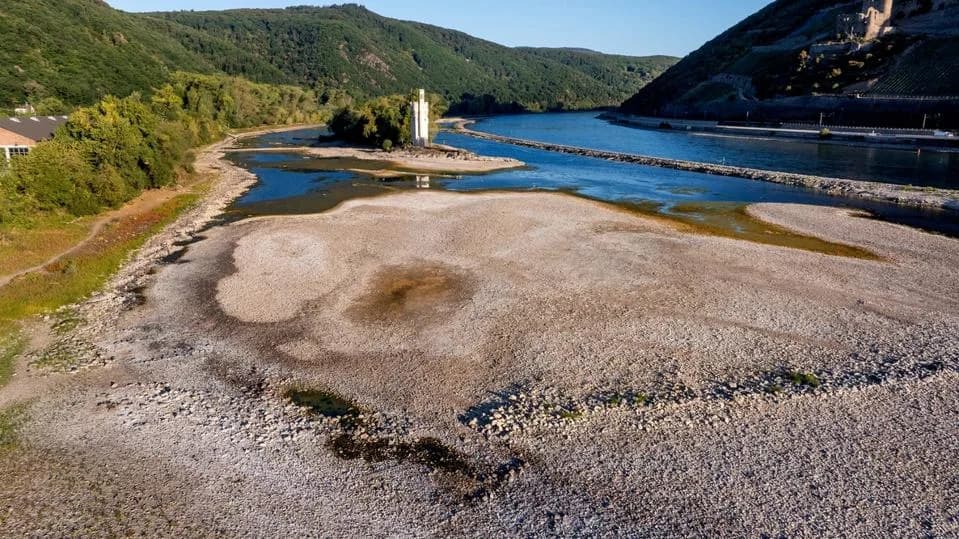
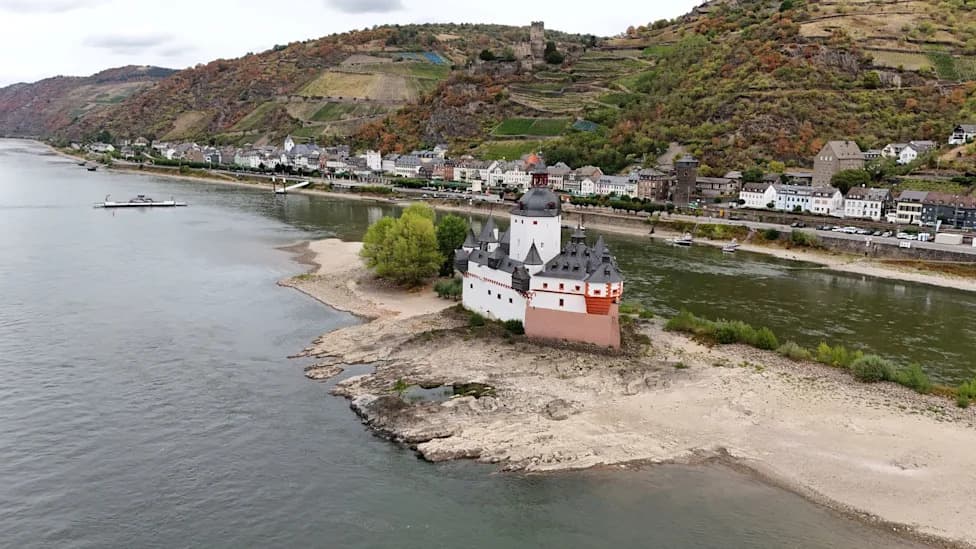
The Danube has dropped to its lowest levels in roughly 30 years in parts of its course, exposing surprises on the riverbed — from mammoth bones in Bulgaria to a sunken World War II ship reappearing in Serbia. Low flows have disrupted industry and energy: nuclear stations on stretches of the Danube in Hungary and Romania have had to close or cut output because there is not enough river water for cooling. On the Rhine, cargo vessels have been stranded and river cruises cancelled.
Melting Glaciers
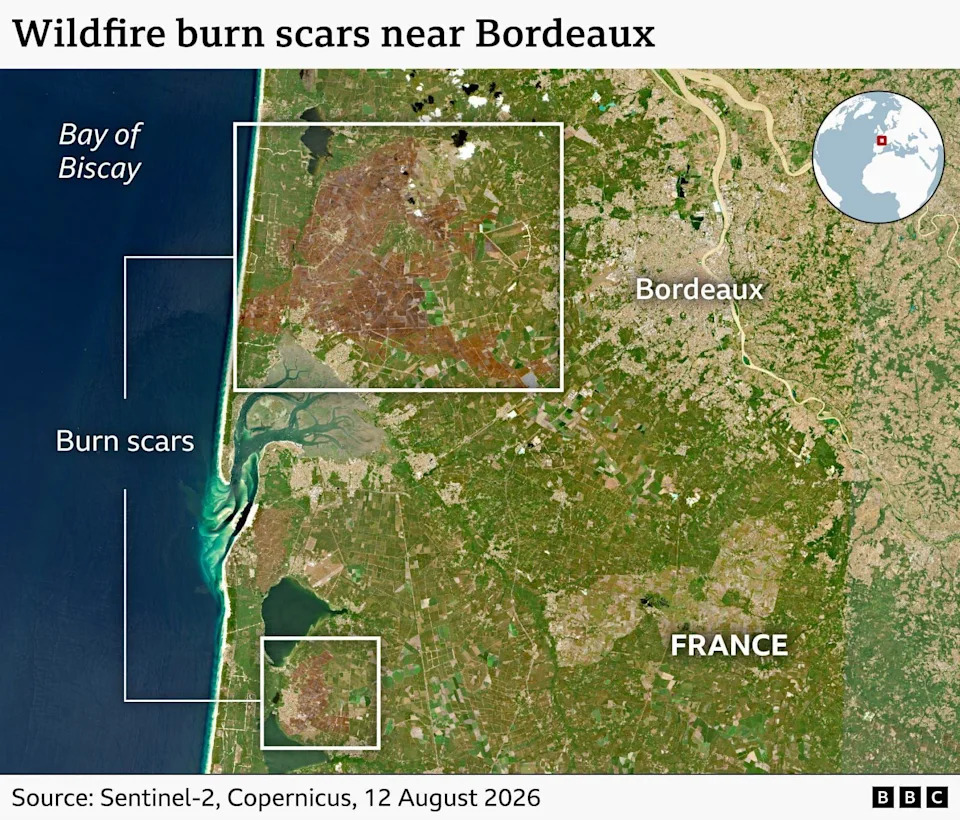
The Alps have been hit hard. After a mild winter left reduced snow cover, an unusually early heatwave in May accelerated melt and exposed glacier ice to further warming. Satellite comparisons indicate much of the Rhône Glacier's front in Switzerland has retreated by around 50 metres (160 ft) or more compared with the same time last year.
[BBC]
Dr Lander van Tricht, glaciologist at the Swiss Federal Institute of Technology, said that recent years have seen "much less snow in winter and much, much more melt in summer," warning that continued trends would make the future dramatic for the Alps.
Wildfires and Browning Landscapes
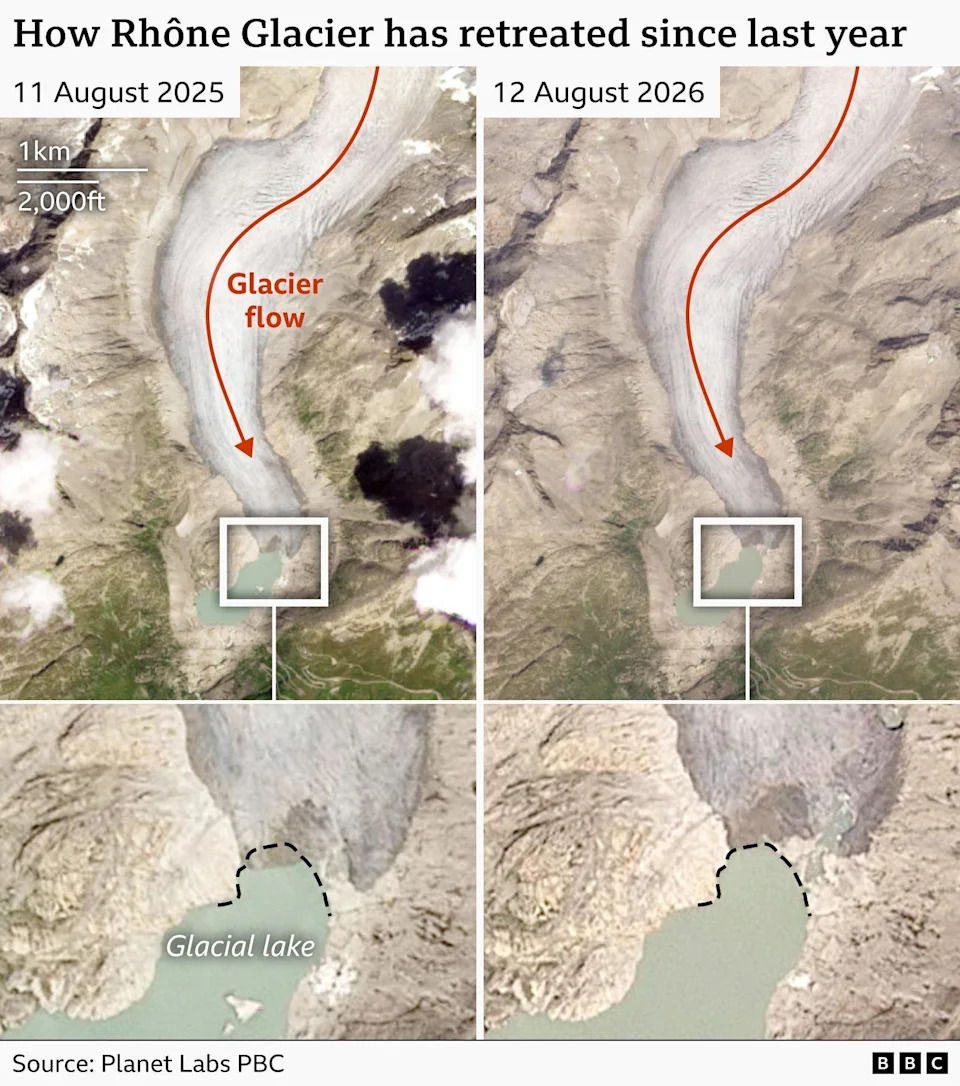
Wildfires have transformed large swathes of western Europe this summer. France has seen more than 90,000 hectares burned so far — about 900 km² — making this already its worst year on record, according to the European Forest Fire Information System. The largest blaze in Gironde near Bordeaux consumed roughly 42,000 hectares — an area comparable to the Isle of Wight.
Vegetation Stress and Agriculture
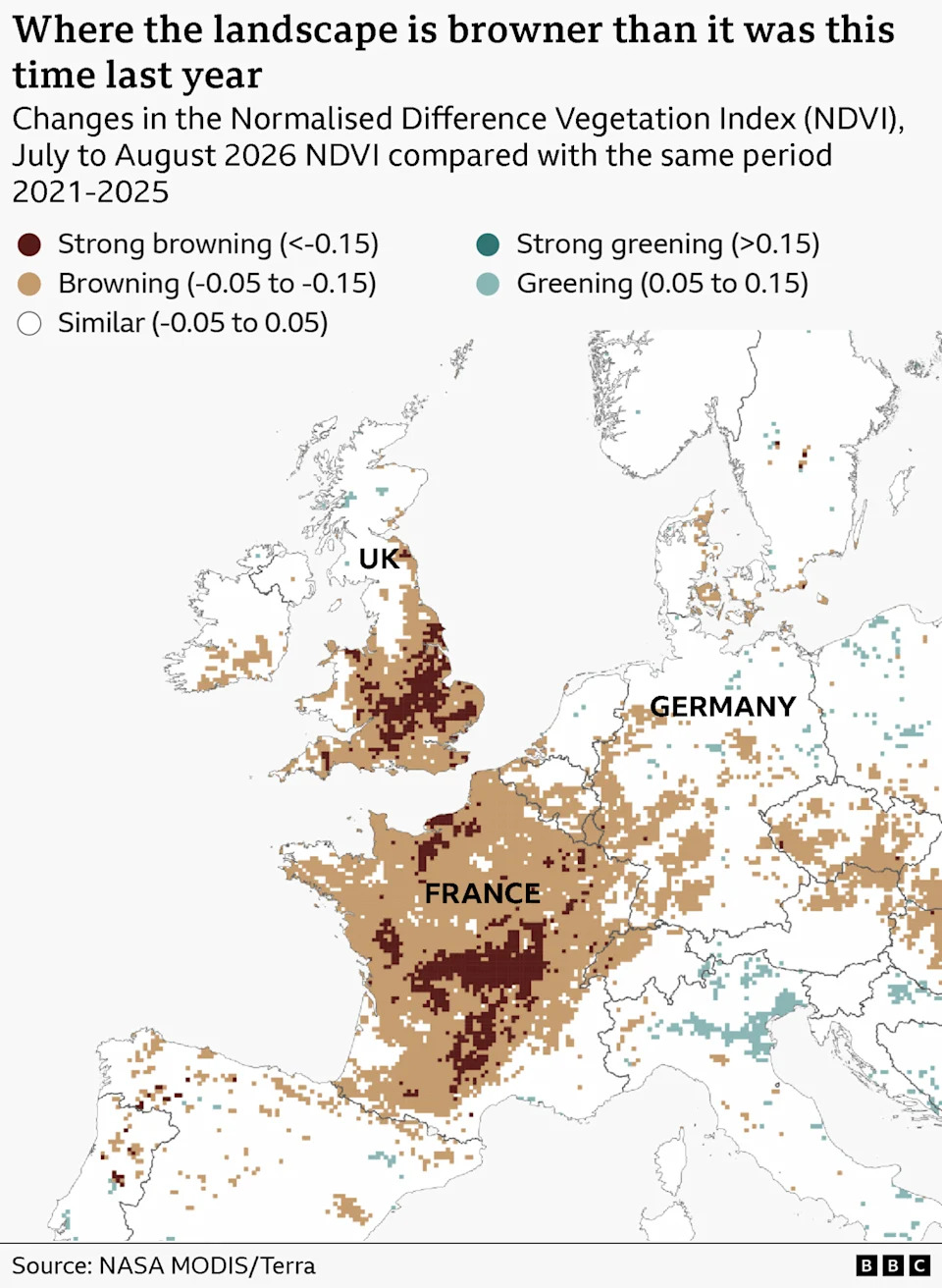
Broad satellite measures such as the Normalised Difference Vegetation Index (NDVI) show widespread browning: this summer's NDVI fell below a five-year benchmark (2021–2025) across roughly 70% of France, nearly 50% of the UK, and about 40% of western Germany. In the worst-affected areas, soil moisture ranks lower than about 98% of comparable dates in the historical record. Scientists warn that even if rain returns, some crop and soil damage for this season may already be irreversible.
[BBC]
Why It Matters
These satellite images provide visual confirmation of how extreme heat, drought and fire can combine to alter landscapes, disrupt transport and energy systems, and threaten food production. While individual weather patterns — such as sustained high pressure — explain the immediate heat, researchers emphasize the amplifying role of human-driven climate change.
Sources: Copernicus, Met Office, BBC Verify, European Forest Fire Information System, statements from glaciologists and hydrology experts.
Help us improve.