EU climate analysts at Copernicus report that 52% of Europe experienced "very strong" heat stress this summer — the highest share on record. "Very strong" is defined as conditions that feel like at least 38°C (100°F). Western Europe had 13 days at that level, and many rivers saw their lowest flows in over 30 years. The C3S data, cited alongside the WMO, highlight how human‑driven climate change is intensifying heat risks for outdoor workers, older adults and people with chronic conditions.
Copernicus: Record 52% Of Europe Exposed To "Very Strong" Heat Stress This Summer

People shield themselves from the sun using umbrellas near the Elizabeth Tower, more commonly known as Big Ben, and the Houses of Parliament, as heat health alert and drought weather conditions continue in London, Britain, August 3, 2026. REUTERS/Toby Melville
BRUSSELS, Oct 2 — New data from the European Union's Copernicus Climate Change Service (C3S) show that just over half of Europe experienced "very strong" heat stress at times this summer, exposing a record share of people to the health dangers of extreme heat.
Key Findings
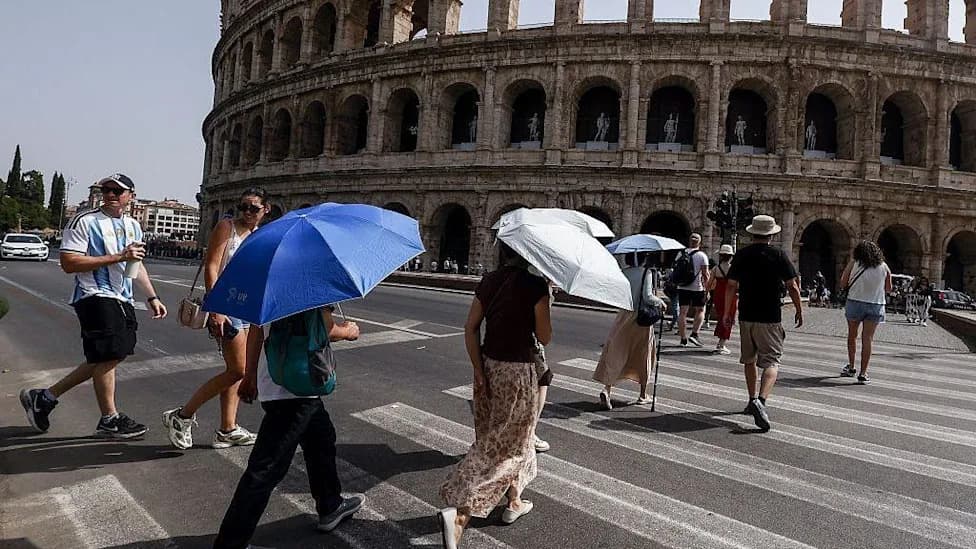
Extent: C3S reports that 52% of the continent was exposed to "very strong" heat stress this summer — the highest proportion on record.
What "Very Strong" Means: Copernicus defines "very strong" heat stress as conditions that feel like at least 38°C (100°F), when high temperature and humidity reduce the body's ability to cool itself through sweating.
Health Risks
- Common symptoms: increased heart rate, nausea and dizziness.
- Severe cases can lead to heat stroke, a potentially life‑threatening condition.
- Those at greatest risk include outdoor workers, older adults, and people with cardiovascular disease or diabetes.
Regional and Environmental Impacts
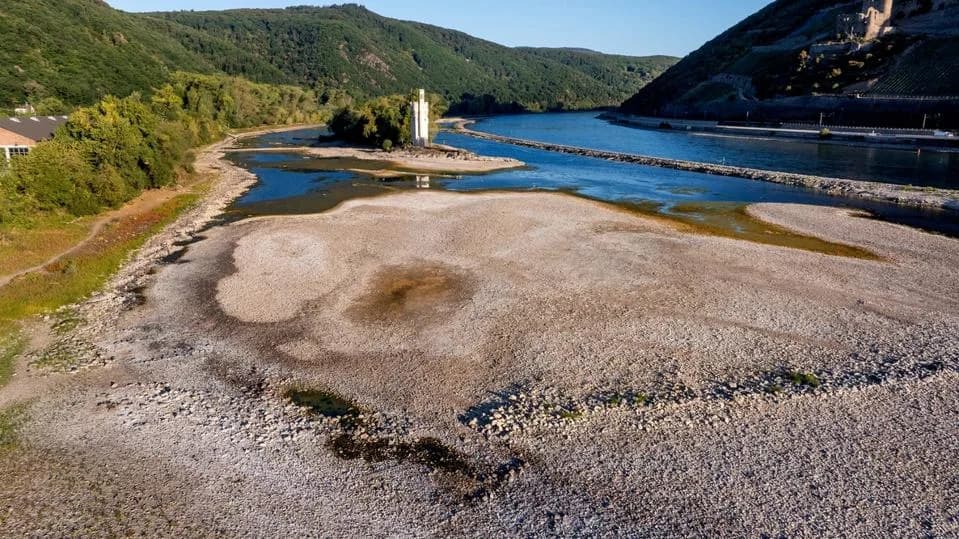
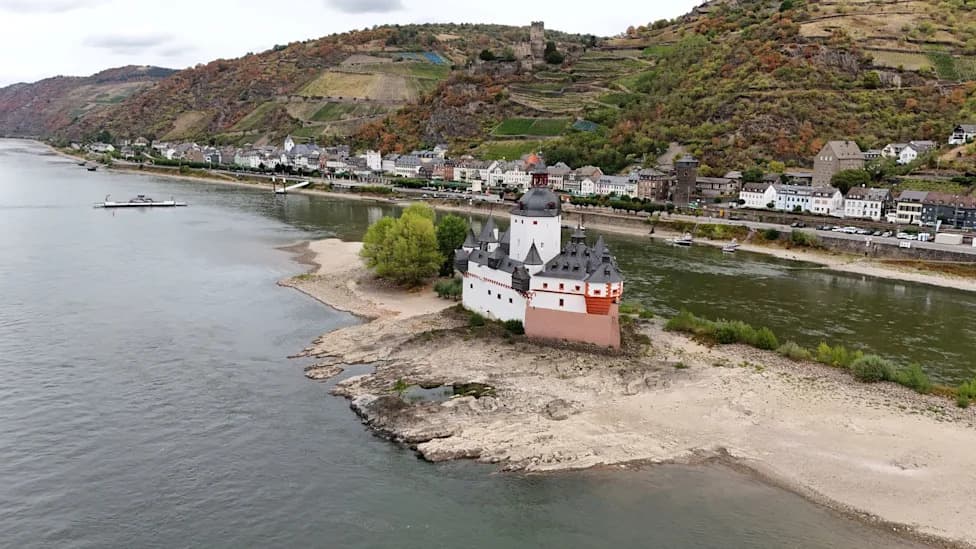
Western Europe recorded its hottest summer since records began and experienced "very strong" heat stress on 13 separate days. In addition to direct health impacts, Europe's rivers registered their lowest flows in more than three decades, affecting ecosystems, agriculture and water supplies.
Climate Context
The World Meteorological Organization has noted that human-caused climate change has contributed to rapid warming in the region, making Europe one of the fastest‑warming continents.
Reporting by Kate Abnett; Editing by Rosalba O'Brien. Data and analysis by the Copernicus Climate Change Service (C3S).
What This Means For Readers: The findings underscore the growing public‑health challenge posed by extreme heat and the importance of preparedness, especially for vulnerable groups and sectors that rely on outdoor labor and river water.
Help us improve.