Iran has not agreed to resume formal talks with the United States, citing disputes over ceasefire breaches and the future of the Strait of Hormuz. Tehran says mediators from Qatar and Pakistan are in contact but that formal negotiations have not started. Iran and Oman are working on technical plans for new shipping routes, but any resumption of traffic depends on political conditions Iran says the US must meet. Washington is signaling tougher economic measures, including sanctions and actions against financial networks tied to Iran.
Iran Says No Decision Yet On Resuming US Talks; Works With Oman On New Hormuz Shipping Routes
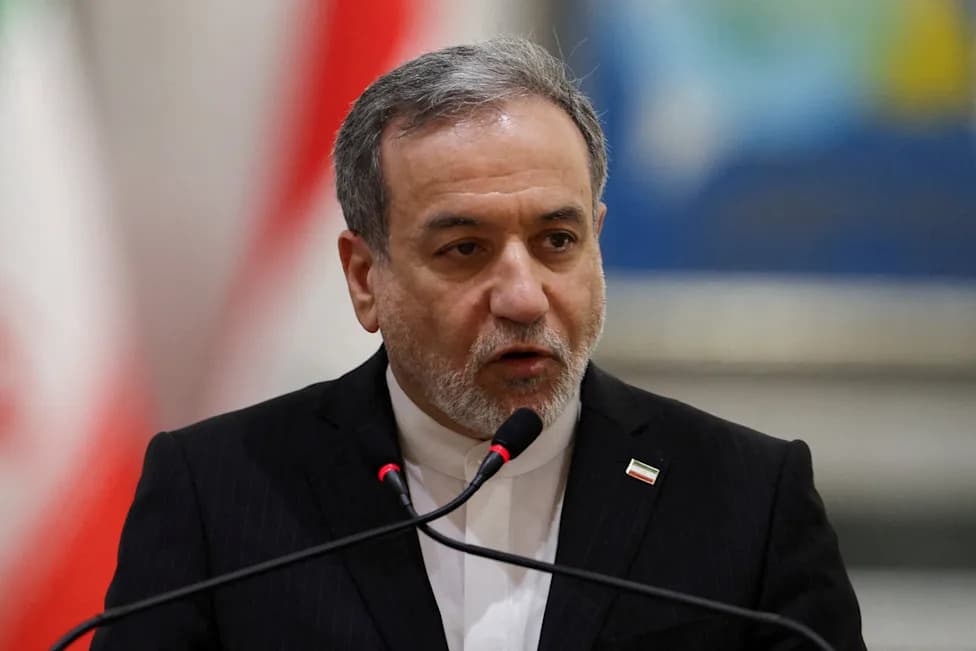
Iranian Foreign Minister Abbas Araghchi blamed the US for the return to violence [File: Thaier al-Sudani/Reuters]
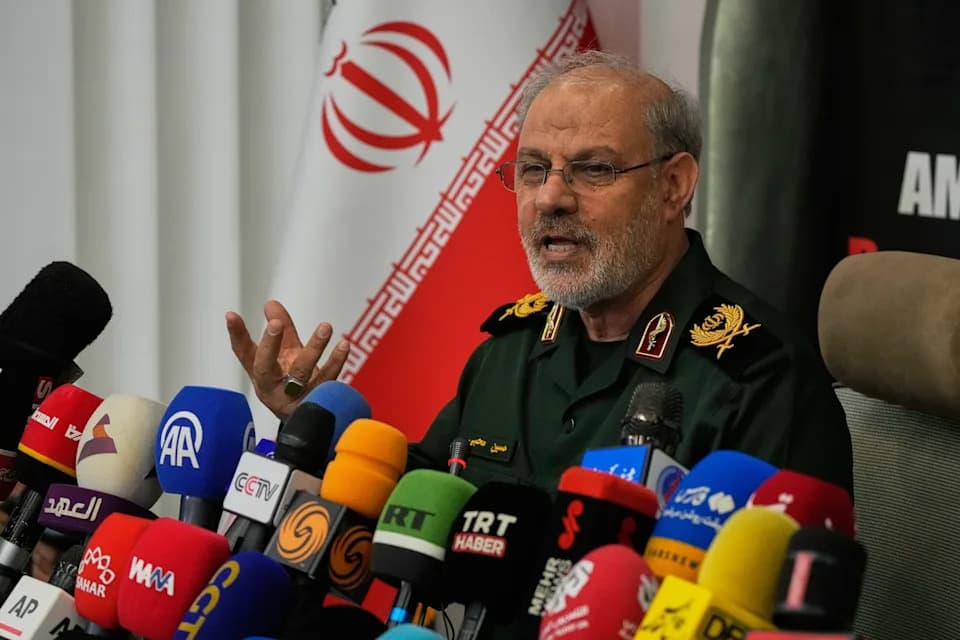
Iran has not decided to resume formal negotiations with the United States, Foreign Minister Abbas Araghchi said, citing unresolved disputes over alleged ceasefire violations and the future status of the Strait of Hormuz.
Araghchi wrote on Telegram that mediators from Qatar and Pakistan are exchanging messages and remain in contact with Tehran, "but this does not mean negotiations," distinguishing shuttle diplomacy from formal talks. He blamed the United States for a renewed escalation after a memorandum of understanding (MoU) signed in Pakistan in June and said a new political path out of the conflict must be defined.
"We have not yet made a decision to restart negotiations with the United States,"Araghchi said, reiterating comments he gave to Iranian outlet Shahrara News.
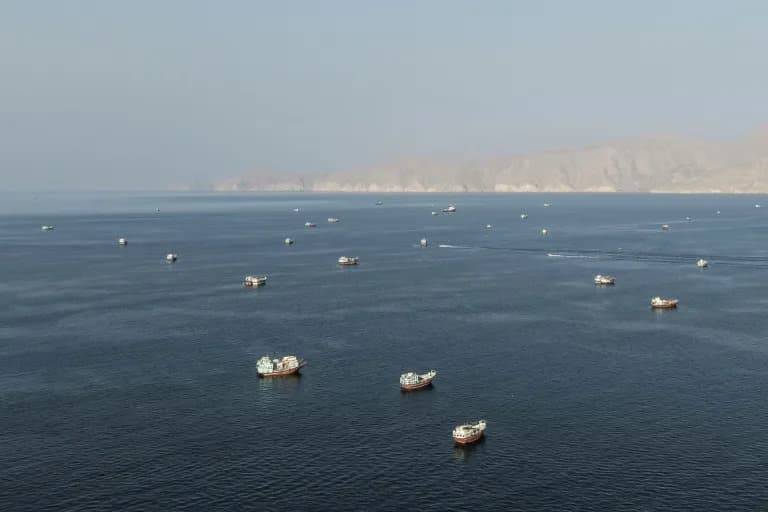
Separately, Araghchi said Iran is working with Oman on technical plans to design new shipping corridors through the Strait of Hormuz. He stressed that any resumption of commercial transit will be conditional on a political settlement and on the fulfilment of conditions Iran expects the United States to meet.
"The routes that previously existed are no longer functional, and a new route must be defined. We are currently designing a temporary route that will become the final route in the next stages,"the foreign minister said.
The remarks coincided with a provocative public comment by former US President Donald Trump, who said:
"After we finish defeating Iran … I'll be declaring the Hormuz Strait a territory of the United States."Iran's deputy foreign minister for legal and international affairs, Kazem Gharibabadi, responded on X that "the Strait of Hormuz has been Iranian, is Iranian, and will remain Iranian." The competing statements underscore how control of the strategically vital waterway remains contested.
On Friday, the UAE state oil firm Abu Dhabi National Oil Company (ADNOC) reported that one of its vessels came under attack while transiting the Strait of Hormuz — the latest in a series of incidents in recent weeks that have heightened tensions and disrupted shipping in the region.
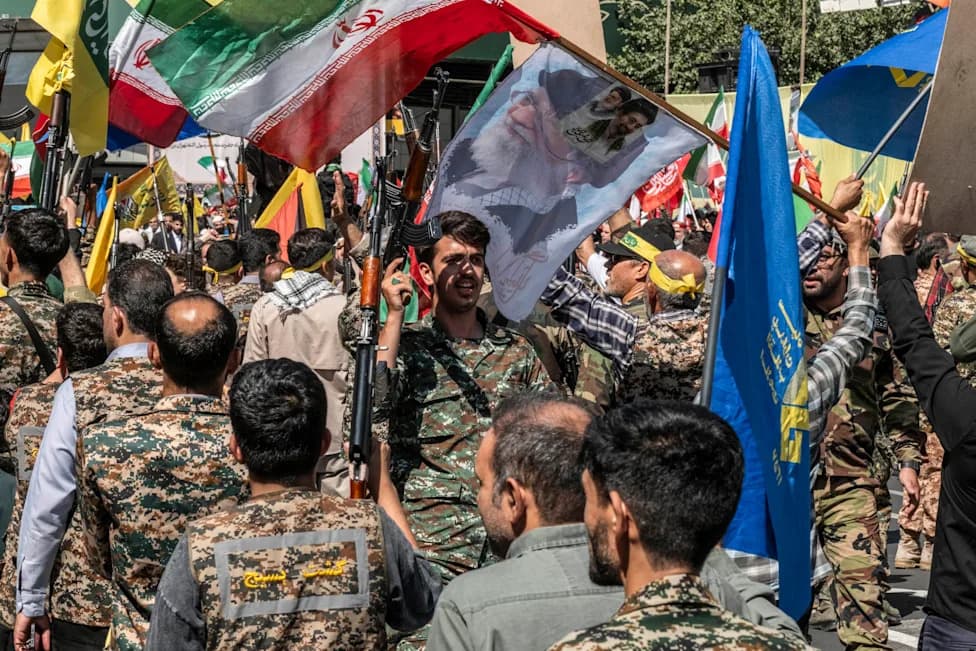
After roughly six months of fighting that has not achieved Washington and Israel's apparent aims of destabilising Iran's leadership or fully reopening Hormuz, US officials appear to be shifting emphasis toward economic pressure. US Treasury Secretary Scott Bessent told Newsmax the administration will soon introduce "a combination of economic isolation the world has never seen before, and the continued blockade in the Strait of Hormuz that will keep anything from going in or out of the Iranian ports."
In August, US authorities said they had moved to dismantle a network of currency exchange houses and shell companies alleged to have helped Tehran transfer hundreds of millions of dollars through the global financial system. Treasury officials said Iran's informal banking and exchange networks are under severe strain.
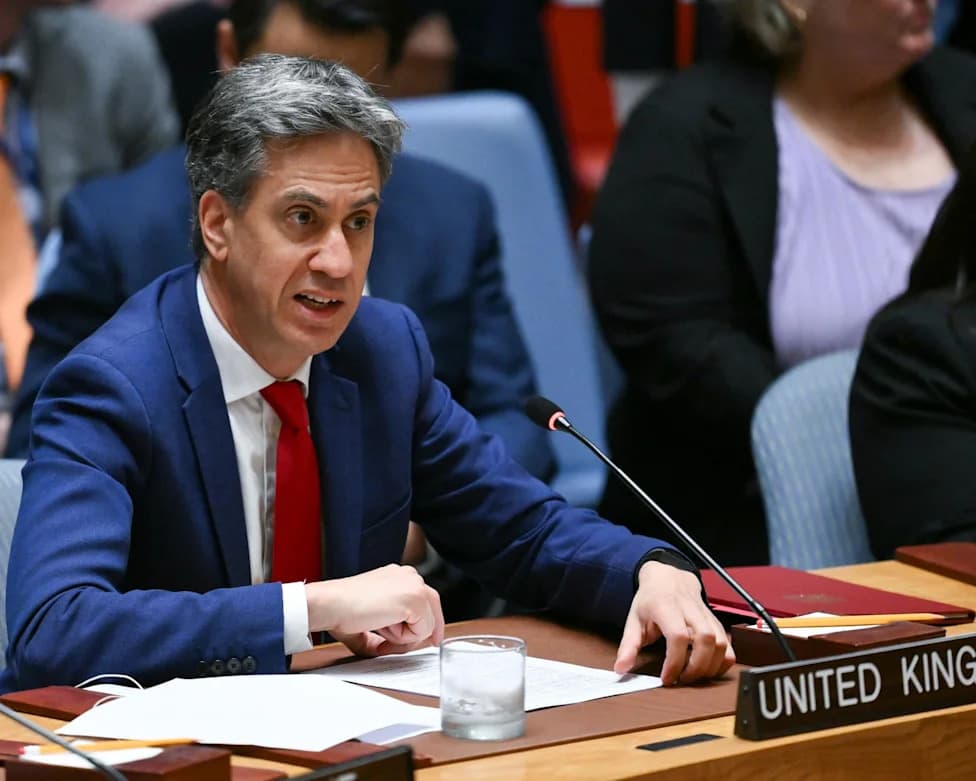
Analysts warn the standoff risks escalation as both sides pursue economic and diplomatic pressure. Former US ambassador and White House Middle East adviser Marc Ginsberg told Al Jazeera the situation resembles "a game of economic chicken," and questioned whether the US administration has a clear long-term strategy to resolve the standoff.
Why it matters: The Strait of Hormuz is a critical trade artery for global energy shipments. Disputes over control, coupled with threats of new sanctions and repeated attacks on vessels, raise the risk of wider regional instability and ongoing harm to global energy markets.
Help us improve.