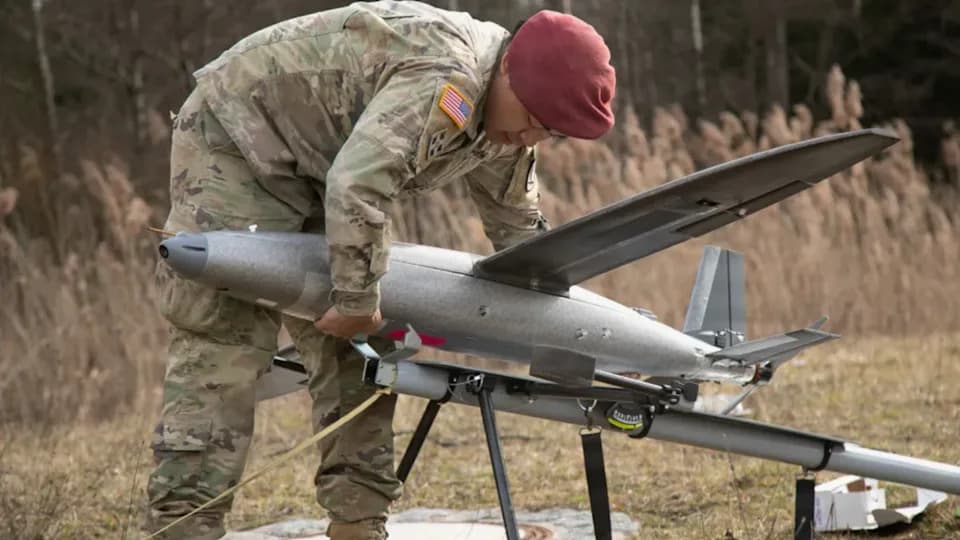
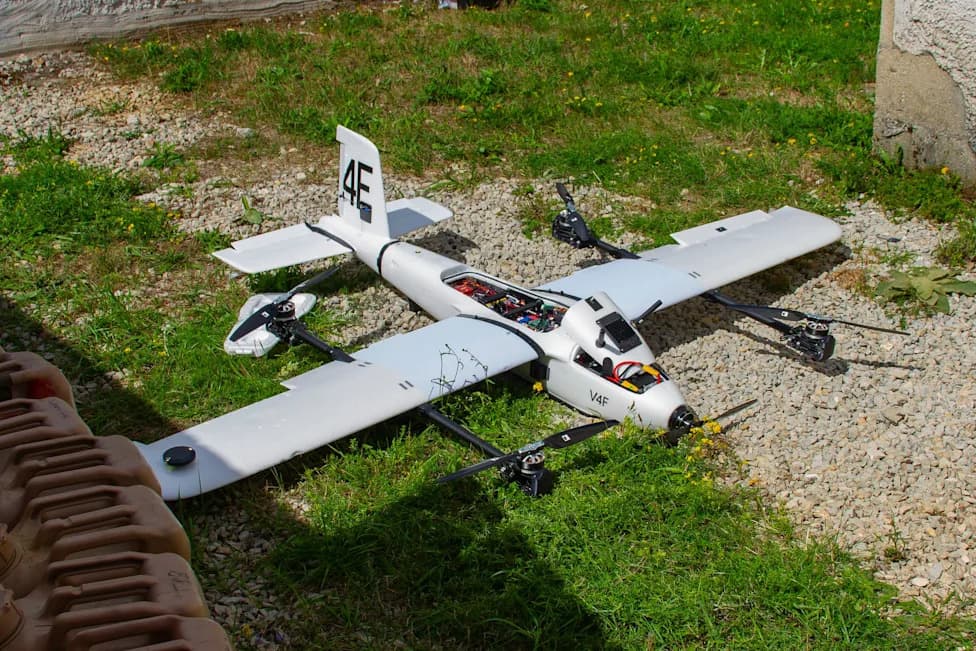
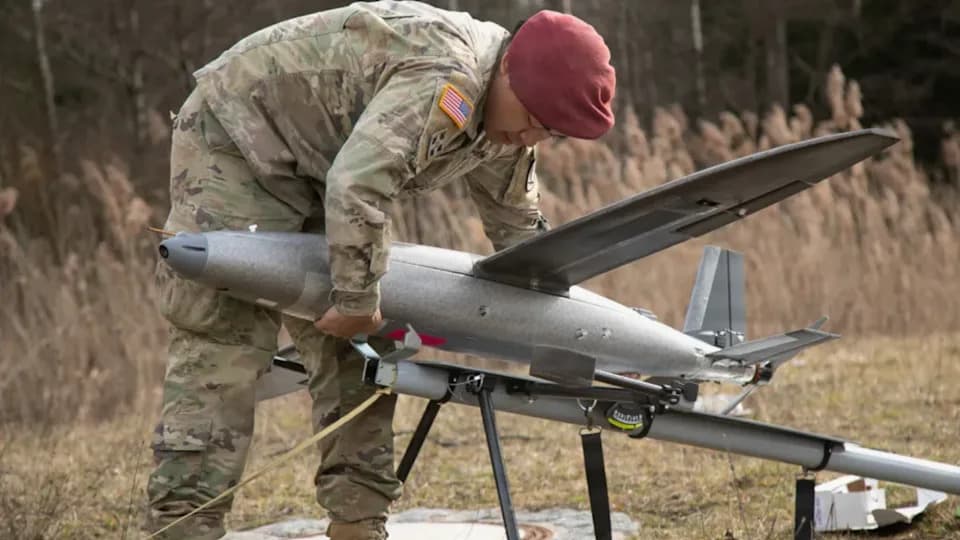
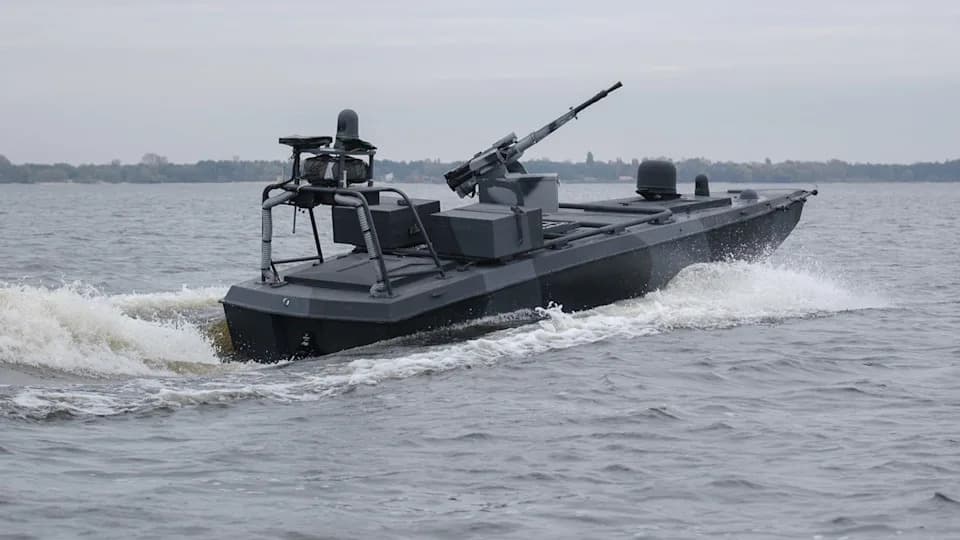
Ukrainian drone operators performed so effectively during the Combined Resolve exercise in Germany that equipment marked as “destroyed” had to be reintroduced into the simulation — a phenomenon participants likened to a video-game "respawn." The drills, held in April–May 2026, were designed to replicate contemporary drone warfare and to test allied countermeasures.
Surprising Results And Rapid Adaptation
Fort Hood-based US armoured formations were among the units taken aback by how quickly Ukrainian-style tactical drones and their controllers neutralised simulated targets. Organizers did not use live fire; instead, impartial observers judged whether a notional "kill" had occurred, typically when an operator hovered a drone above a vehicle long enough to indicate a successful strike in the scenario.
On several occasions the Ukrainian teams logged simulated kills so rapidly that exercise planners reintroduced vehicles into play to keep scenarios realistic and instructive. That striking performance prompted allied troops to revise their approach in real time.
What Troops Learned
Over the two-week training cycle, NATO forces improved counter-drone practices, including:
- Faster and better camouflage to hide vehicles and positions from small aerial observers.
- Dispersal of assets to reduce the effects of concentrated drone strikes.
- Electronic warfare measures to jam, disrupt or deceive drone control and navigation.
To broaden learning, some Ukrainian drone controllers switched sides during the exercise to help allied troops practise offensive drone employment and better understand enemy techniques.
Air Force General Alexus Grynkewich, NATO's senior air commander, said: "You can't get training like this in the United States," and noted a marked improvement among participating forces after the exercise.
Wider Implications For NATO
The exercise is one of several in 2026 that revealed gaps in allied handling of small, tactical drone threats. Other NATO members — including the UK, Estonia and Sweden — have experienced similar challenges in wargames, underscoring how inexpensive unmanned systems and integrated electronic warfare can complicate conventional defence concepts.
Training organisers and commanders describe the experience as valuable: it exposed weaknesses quickly and gave units the chance to iterate tactics, techniques and procedures in a realistic environment. The results are shaping doctrine and acquisition priorities as NATO adapts to a battlefield where low-cost drones can yield outsized effects.