Rising Democratic Socialist and progressive candidates are increasingly supporting accelerated homebuilding paired with stronger tenant protections. Janeese Lewis George, the likely next mayor of D.C., now proposes 72,000 new units in five years after earlier local targets were surpassed. Other figures, including New York progressives and congressional candidates, push for large-scale affordable production and preservation while debates continue over social housing, market reform and the estimated national shortfall of roughly 4 million homes.
Socialist Candidates Shift Toward Pro-Building Housing Plans as Cities Face a 4M-Home Shortfall
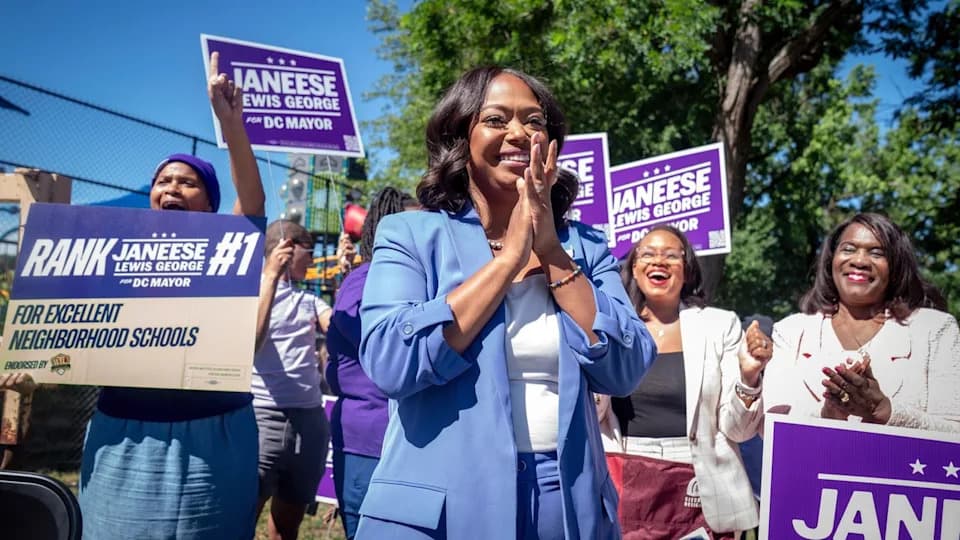
"the mayor is DC's chief planner and, in that role, I won't let local land use regulations interfere with housing production," nominee Janeese Lewis George said. (Maxine Wallace/The Washington Post via Getty Images)
Several rising Democratic Socialist politicians who once questioned market-driven housing solutions are increasingly embracing pro-building platforms — combining expanded home construction with stronger tenant protections.
Janeese Lewis George, who won the Democratic primary and is widely viewed as the likely next mayor of Washington, D.C., has publicly moved from skepticism to support for increased housing supply. In an op-ed earlier this year she wrote, "Increasing supply, paired with policies to protect residents, really is critical to stopping further displacement and making housing more affordable for all." Lewis George now proposes an ambitious goal of 72,000 new housing units in five years, a major acceleration from the prior local target.
"When I was first elected to the DC Council, I myself was skeptical of this," Lewis George wrote. "I wasn't certain about the role private development should play in making housing more affordable. I saw cranes everywhere, but I knew so many people struggling to afford their rent."
D.C. faces unique constraints: the district is geographically landlocked and subject to federal oversight, but the local government still controls most residential zoning. Mayor Muriel Bowser had set a target of 36,000 new units over six years and exceeded that goal by roughly 4,000 units — though critics say the city still fell short on adding truly affordable homes.
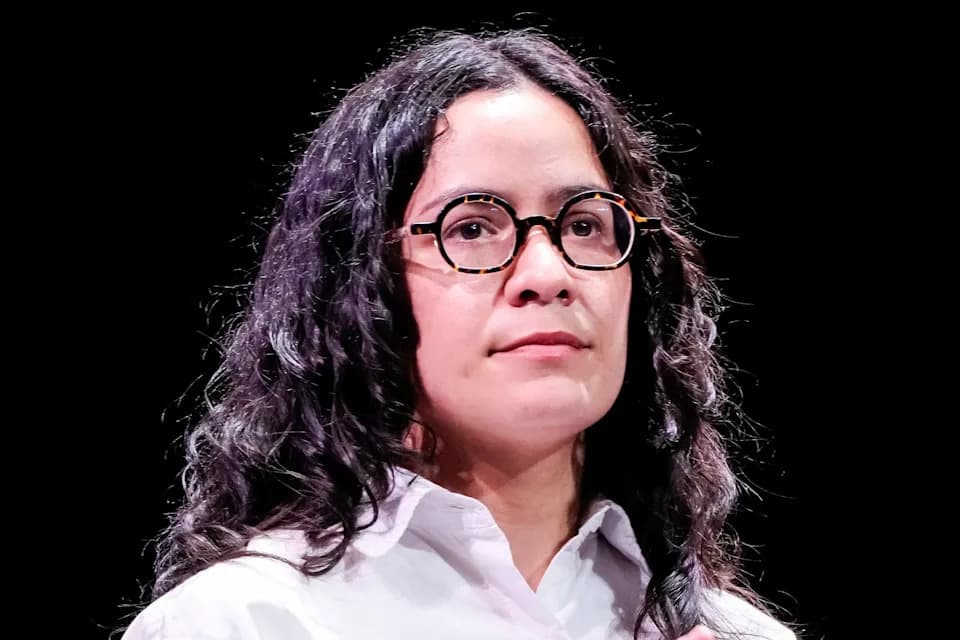
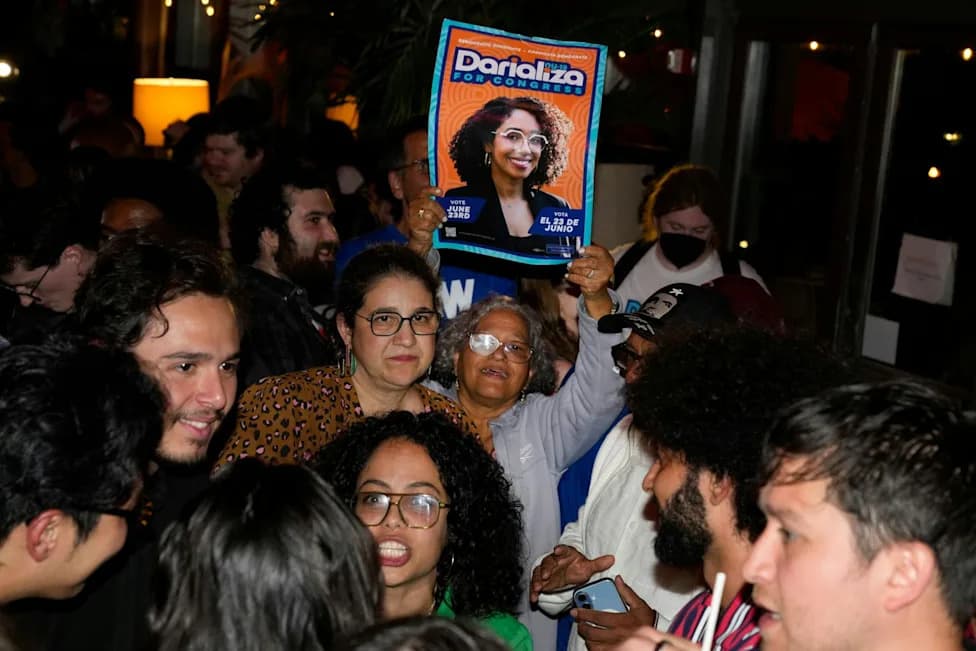
Across the country, other progressive and Democratic Socialist-aligned figures are advancing related production-focused policies. In New York, progressive leader Zohran Mamdani has promoted a pro-building agenda emphasizing large-scale affordable construction and preservation. In Colorado, Melat Kiros — the Democratic nominee for the 1st Congressional District — has advocated for government-backed mixed-income housing and called for repealing the Faircloth Amendment, a federal restriction that limited the expansion of some kinds of public housing.
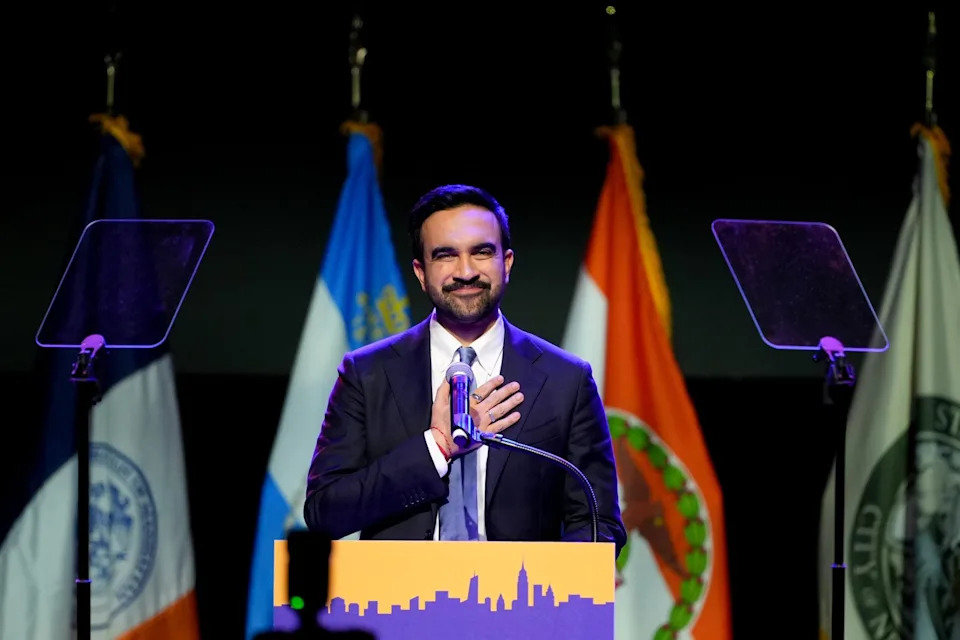
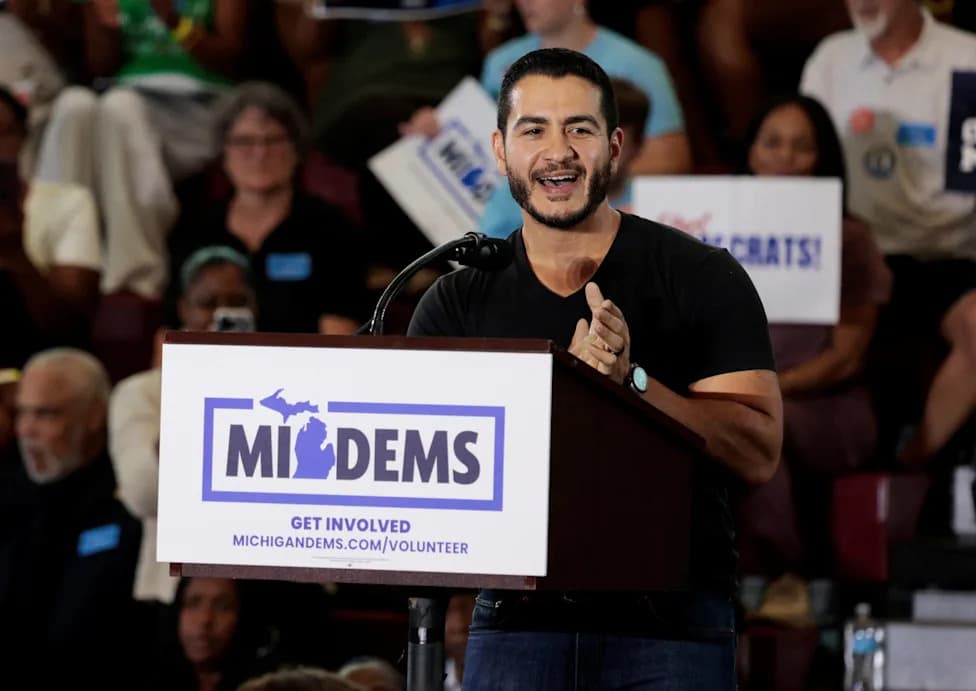
Zohran Mamdani wants New York City to build 200,000 new housing units. (Adam Gray/Bloomberg via Getty Images)
The most far-reaching proposals associated with the Democratic Socialists of America (DSA) center on "social housing": expanded publicly owned or controlled housing, stronger tenant protections, and enshrining access to dignified housing as a social right. The DSA’s long-term language includes aspirational goals such as the end of rent and eviction in their most ambitious formulations, though many candidates focus on nearer-term production, preservation and tenant-protection measures.
Those policy shifts have drawn criticism from across the ideological spectrum. Libertarian think tanks such as the Cato Institute warn that heavy state intervention could distort markets and invite further demands for government involvement. Other critics point to past experiments and argue that supply-side measures alone may not fix affordability without complementary policies for preservation, subsidies, and tenant protections.
All of these debates play out against stark national statistics: Realtor.com economists estimate a shortfall of roughly 4 million homes, while a recent Harris Poll found that 85% of Americans aspire to homeownership but 55% doubt they will ever afford it. Nearly half of respondents said housing costs have forced them to put their lives on hold. Young voters, in particular, have grown frustrated as starter-home inventories have fallen dramatically and prices have climbed.
Analysts differ on solutions. Some argue that freeing up zoning and encouraging more market-driven construction will expand supply and lower prices. Others insist that public investment, social housing, stronger tenant rights and targeted subsidy programs are necessary to protect vulnerable residents while production ramps up. The debate over how to combine production, preservation and tenant protections is likely to shape urban policy in the years ahead as socialist-aligned and progressive officials win office and press for housing reforms.
What To Watch
Key developments to follow include local zoning reforms, proposals to convert industrial land and up-zone areas near transit, debates over new taxes or rental protections, and whether federal limits like the Faircloth Amendment are revisited. How elected officials balance rapid construction with affordability and displacement protections will determine whether pro-building agendas win broad public support.
Help us improve.